Beneath the Surface of Self-Care
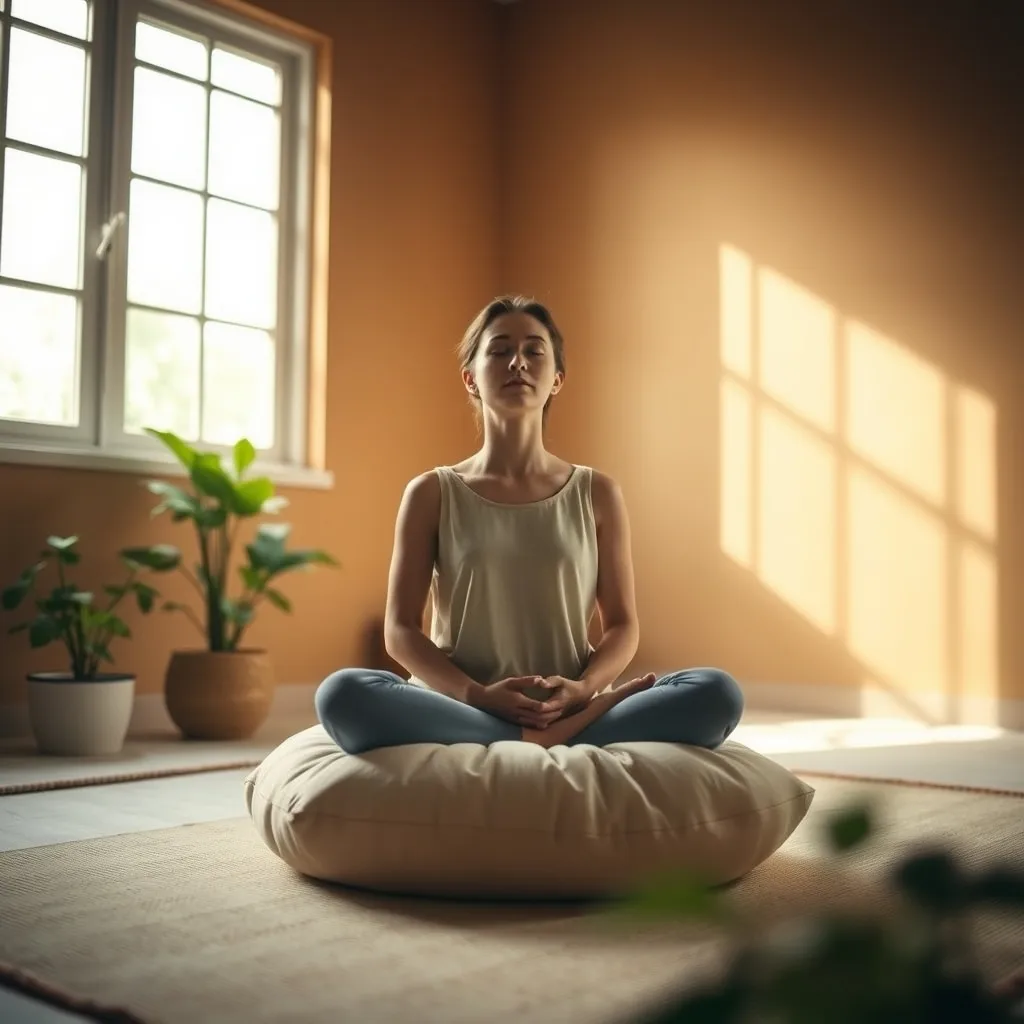
As I delve into the world of self-care, I've come to realize that the term has become somewhat of a buzzword in our culture. Everywhere I turn, I'm bombarded with advertisements and social media posts telling me that I need to prioritize my wellness, practice mindfulness, and take care of myself. And while I agree that taking care of one's physical, emotional, and mental health is essential, I believe that there's more to self-care than just following the latest trends. In fact, I think that the commercialization of self-care has led to a superficial understanding of what it truly means to take care of oneself.
On the surface, self-care seems like a simple concept: take a relaxing bath, get a massage, practice yoga, and you're good to go. But as I've dug deeper, I've discovered that true self-care is not just about pampering oneself, but about cultivating a deeper understanding of oneself and the world around us. It's about recognizing our flaws and imperfections, and working to improve them. It's about developing a sense of self-awareness, self-acceptance, and self-compassion. And it's about making intentional choices that align with our values and promote our overall well-being.
The Dark Side of Self-Care
One of the problems with the commercialization of self-care is that it can create unrealistic expectations and promote a culture of consumerism. We're led to believe that we need to buy certain products or services in order to be happy and healthy, rather than focusing on the things that truly bring us joy and fulfillment. This can lead to a sense of disappointment and frustration when we don't meet these expectations, and can even perpetuate feelings of inadequacy and low self-esteem. Furthermore, the emphasis on individual self-care can distract us from the broader social and environmental issues that affect our well-being, such as poverty, inequality, and climate change.
Another issue with the self-care movement is that it can be exclusive and elitist. Many of the self-care practices that are touted as essential, such as yoga and meditation, require a certain level of economic privilege and access to resources. This can create a sense of guilt and shame for those who are unable to participate in these practices, and can even perpetuate the notion that self-care is only for those who are wealthy and privileged. As someone who is passionate about making self-care accessible to everyone, I believe that we need to rethink our approach and focus on creating inclusive and equitable self-care practices that prioritize the needs of all individuals, regardless of their background or socioeconomic status.
Beyond the Surface Level
So, what does it mean to practice self-care in a way that goes beyond the surface level? For me, it means cultivating a sense of self-awareness and introspection, and being willing to confront my flaws and imperfections. It means developing a growth mindset and being open to learning and growth, even when it's uncomfortable or challenging. It means prioritizing my relationships and connections with others, and recognizing that my well-being is intertwined with the well-being of those around me. And it means taking care of my physical and emotional needs in a way that is holistic and sustainable, rather than just focusing on quick fixes and temporary solutions.
One of the most important things I've learned on my self-care journey is the importance of self-compassion and self-forgiveness. Rather than beating myself up over my mistakes and shortcomings, I've learned to approach myself with kindness and understanding. I've learned to recognize that I am human, and that it's okay to make mistakes and stumble sometimes. And I've learned to prioritize my own needs and desires, rather than trying to meet the expectations of others. By doing so, I've been able to cultivate a sense of inner peace and contentment that goes far beyond any superficial self-care practice.
A New Approach to Self-Care
As I look to the future, I'm excited to see a new approach to self-care emerge, one that prioritizes depth and substance over superficiality and trends. I'm excited to see people from all walks of life coming together to share their experiences and perspectives on self-care, and to learn from one another. And I'm excited to see a shift away from the commercialization of self-care, and towards a more holistic and inclusive understanding of what it means to take care of oneself. By working together and supporting one another, I believe that we can create a culture of self-care that is truly transformative and empowering, and that promotes the well-being and flourishing of all individuals.
I explored a related angle in Beyond the Bottom Line if you want to keep pulling this thread.
Ultimately, I believe that self-care is not just about taking care of ourselves, but about creating a more just and compassionate world. By prioritizing our own well-being and taking care of our physical, emotional, and mental health, we become better equipped to show up for others and to make a positive impact in the world. And by recognizing the interconnectedness of our well-being and the well-being of those around us, we can work towards creating a more equitable and sustainable world that promotes the flourishing of all individuals. As I continue on my self-care journey, I'm excited to see where this path will lead, and to explore the many ways in which self-care can be a powerful tool for personal growth and transformation.