Rethinking Office Culture
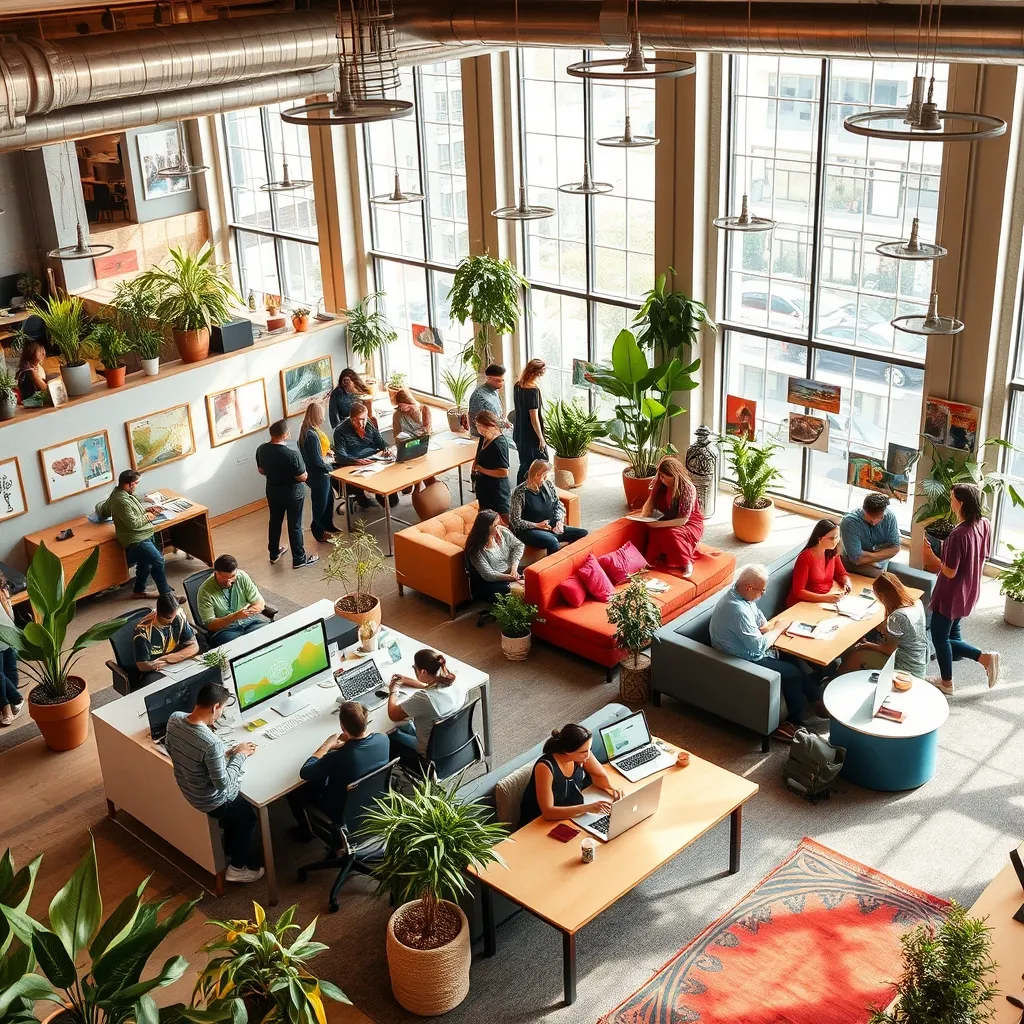
I'm not a fan of traditional office setups, and I think it's time we rethink the way we work. For decades, the cubicle has been the staple of office design, but I believe it's a relic of the past. It's time to ditch the cubicle and create a more collaborative, flexible, and productive work environment. The cubicle was originally designed to give employees their own personal space, but in reality, it's often a isolating and stifling experience. When employees are stuck in a small, cramped space all day, it can be difficult for them to feel connected to their colleagues and the company as a whole.
Furthermore, the cubicle can be a major obstacle to innovation and creativity. When employees are separated from each other, it can be difficult for them to share ideas and collaborate on projects. This can lead to a lack of diversity in thought and approach, which can ultimately hinder a company's ability to grow and adapt. By getting rid of the cubicle, we can create a more open and collaborative work environment that fosters creativity, innovation, and teamwork. This can be achieved through the use of open workspaces, collaborative meeting rooms, and other design elements that encourage interaction and communication.
Creating a Collaborative Work Environment
So, what does a collaborative work environment look like? For starters, it's an open and flexible space that allows employees to move around and work in different areas. This can include open workspaces, collaborative meeting rooms, and quiet areas for focused work. It's also important to incorporate technology that facilitates communication and collaboration, such as video conferencing tools and project management software. By providing employees with the tools and space they need to collaborate effectively, we can create a more productive and innovative work environment.
In addition to the physical space, it's also important to foster a culture of collaboration and teamwork. This can be achieved through team-building activities, cross-functional projects, and regular feedback and communication. By encouraging employees to work together and share ideas, we can create a more cohesive and effective team. It's also important to recognize and reward employees for their contributions to the team, whether it's through public recognition or monetary incentives. By doing so, we can create a positive and supportive work environment that motivates employees to do their best work.
Embracing Flexibility and Autonomy
Another key aspect of rethinking office culture is embracing flexibility and autonomy. With the rise of remote work and digital communication, it's no longer necessary for employees to be tied to a traditional 9-to-5 schedule. By giving employees the flexibility to work from anywhere and at any time, we can create a more productive and happy workforce. This can be achieved through flexible scheduling, telecommuting options, and results-oriented work environments. By focusing on results rather than hours worked, we can create a more efficient and effective work environment that allows employees to work in a way that's best for them.
Embracing flexibility and autonomy also requires a shift in management style. Rather than micromanaging employees and monitoring their every move, managers should focus on providing guidance and support while giving employees the freedom to make their own decisions. This can be achieved through regular check-ins, clear communication, and a focus on employee development. By trusting employees to make their own decisions and take ownership of their work, we can create a more motivated and engaged workforce.
Measuring Success and Implementing Change
So, how do we measure the success of a rethought office culture? It's not just about increasing productivity or profits, but also about creating a positive and supportive work environment that motivates employees to do their best work. This can be achieved through regular feedback and surveys, as well as metrics such as employee engagement, retention, and satisfaction. By tracking these metrics and making adjustments as needed, we can create a work environment that's tailored to the needs of our employees and the goals of our organization.
I explored a related angle in Sustainable Scaling Strategies if you want to keep pulling this thread.
Implementing change can be difficult, but it's often necessary for growth and success. By being open to new ideas and approaches, we can create a work environment that's innovative, collaborative, and productive. It's not about tearing down the old and starting from scratch, but about building on what works and making adjustments as needed. By taking a thoughtful and intentional approach to rethinking office culture, we can create a work environment that's truly exceptional and sets our organization up for long-term success.