Rethinking Office Space
I've spent years working in traditional office environments, and I have to say, the experience has been a mixed bag. On the one hand, there's something to be said for the structure and camaraderie that comes with working alongside colleagues in a shared space. On the other hand, I've often found myself feeling stifled by the monotony of the 9-to-5 grind, and I'm not alone. With the rise of remote work and the gig economy, it's clear that the way we think about office space is due for a rethink. The question is, what does the future of work look like, and how can we create spaces that support it?
The Limits of Traditional Office Space
Traditional office spaces are often designed with a one-size-fits-all approach, which can be limiting for employees who have different work styles and needs. For example, some people are morning larks who do their best work early in the day, while others are night owls who prefer to work later in the evening. In a traditional office setting, these differences can be difficult to accommodate, leading to frustration and decreased productivity. Additionally, the open office layout that's become so popular in recent years can be distracting and noisy, making it hard for employees to focus and get work done.
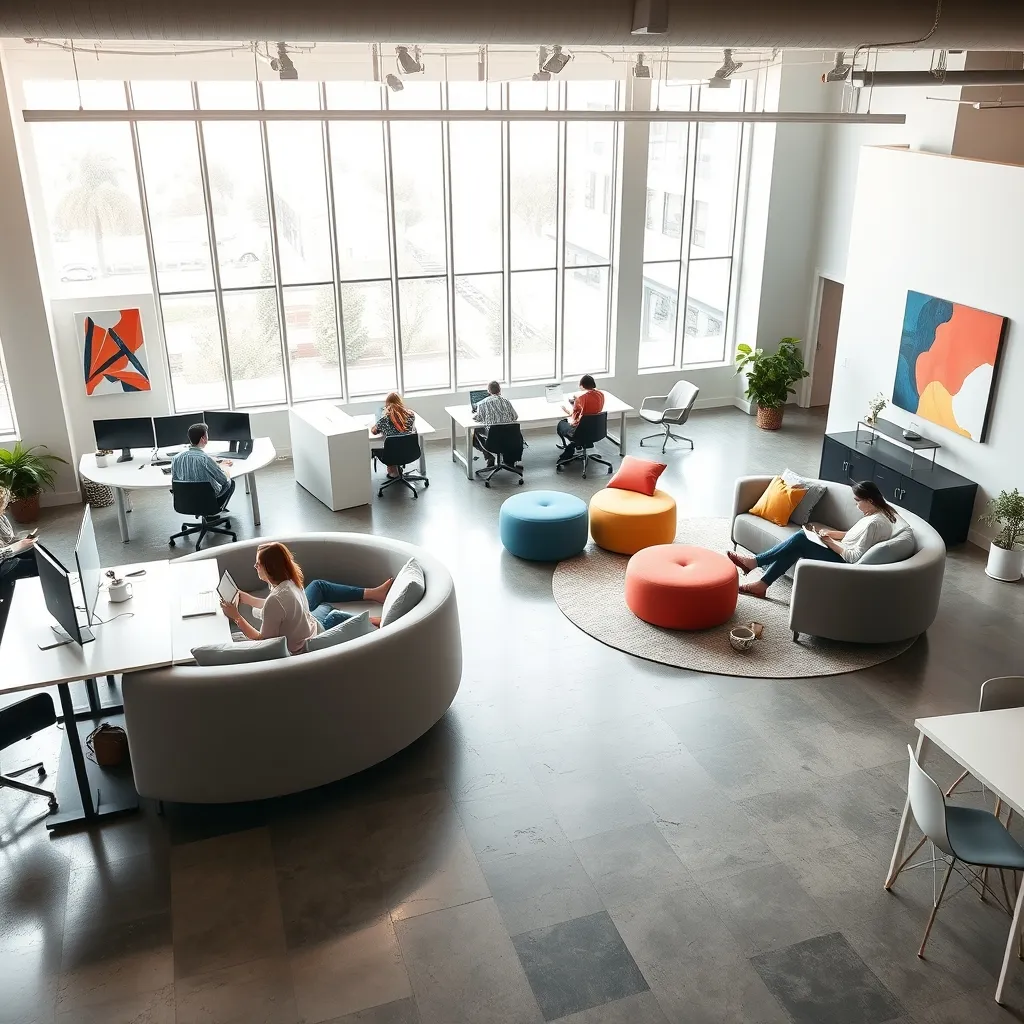
Another limitation of traditional office space is the lack of flexibility it offers. With the rise of remote work, many employees are no longer tied to a specific desk or location, and they need spaces that can accommodate their changing needs. This might include co-working spaces, coffee shops, or other non-traditional work environments that offer a change of pace and a chance to collaborate with others. By providing employees with more flexibility and autonomy, businesses can help them stay engaged and motivated, which can lead to increased productivity and job satisfaction.
Rethinking the Purpose of Office Space
So, what is the purpose of office space in the modern era? Is it simply a place to house employees and provide them with a desk and a computer, or is it something more? I believe that office space should be designed to support the needs of employees and facilitate collaboration, creativity, and innovation. This might include providing amenities like fitness classes, healthy snacks, and social events, which can help employees build relationships and feel more connected to their colleagues and the company as a whole.
It's also important to consider the role that technology plays in the modern office. With the rise of digital communication tools and virtual meeting software, it's easier than ever for employees to stay connected and work together remotely. However, this also means that office space needs to be designed with technology in mind, including features like high-speed internet, video conferencing equipment, and digital whiteboards. By leveraging technology to support collaboration and communication, businesses can create office spaces that are more efficient, effective, and enjoyable for employees.
Creating the Office of the Future
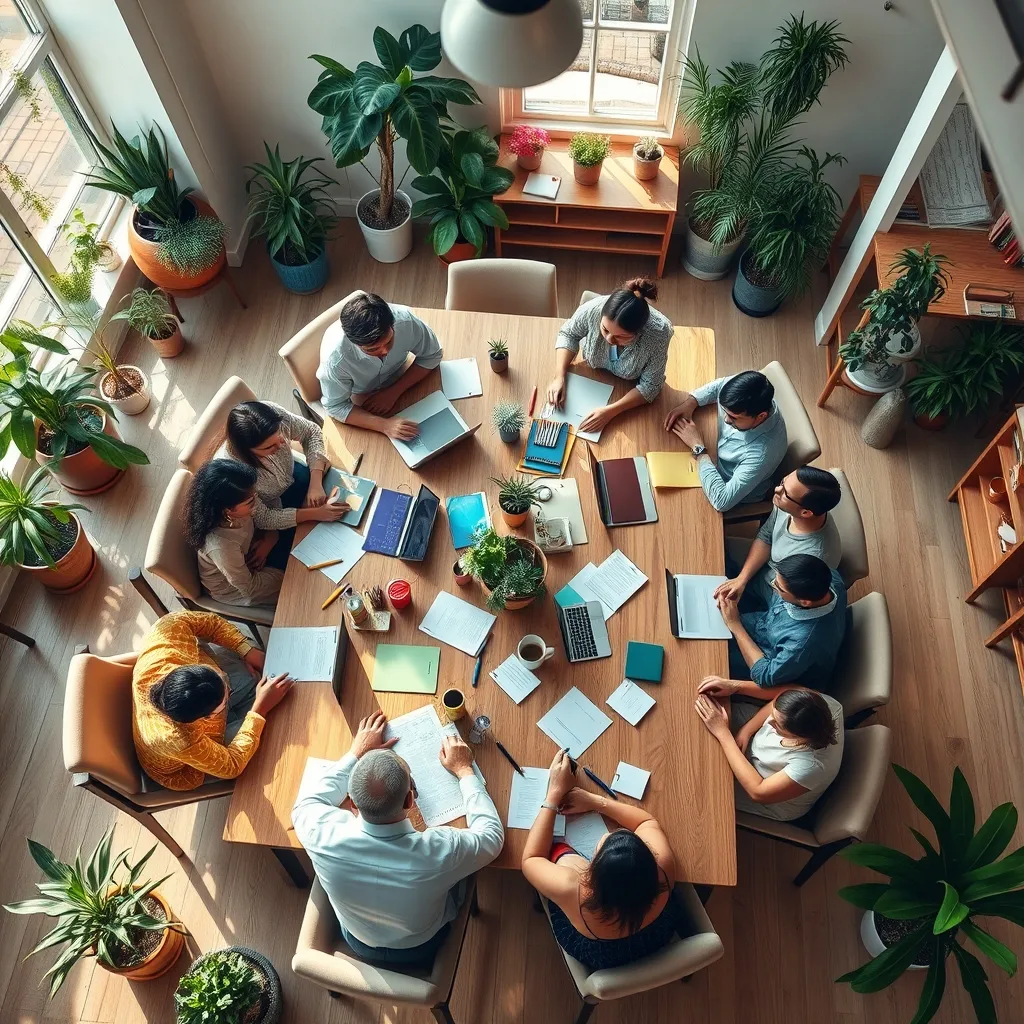
So, what does the office of the future look like? For starters, it's likely to be more flexible and adaptable, with spaces that can be easily reconfigured to meet the changing needs of employees. It might include a mix of private offices, co-working spaces, and collaborative work areas, as well as amenities like fitness classes, healthy snacks, and social events. It will also be designed with technology in mind, including features like high-speed internet, video conferencing equipment, and digital whiteboards.
Ultimately, the key to creating a successful office space is to prioritize the needs of employees and provide them with the tools and resources they need to succeed. This might include offering flexible work arrangements, providing opportunities for professional development and growth, and fostering a positive and inclusive company culture. By putting employees first and creating spaces that support their needs, businesses can create offices that are more productive, more efficient, and more enjoyable for everyone involved.
I explored a related angle in The Power of Micro-Entrepreneurship if you want to keep pulling this thread.
As we move forward in this new era of work, it's clear that the traditional 9-to-5 office is no longer the only option. By rethinking the purpose of office space and creating environments that support the needs of employees, businesses can stay ahead of the curve and thrive in a rapidly changing world. Whether you're a business owner, a manager, or an employee, it's time to start thinking differently about the way we work and the spaces we work in. The future of office space is here, and it's full of possibilities.