A Taste of Forgotten Istanbul
I still remember the first time I stumbled upon a small, family-owned bakery in the heart of Istanbul's old town. The aroma of freshly baked simit wafted through the air, drawing me in like a magnet. As I pushed open the door, I was greeted by the warm smile of the baker, who offered me a still-warm piece of bread straight from the oven. It was love at first bite. The combination of the crispy crust and soft interior, topped with a generous sprinkling of sesame seeds, was a flavor sensation unlike anything I had ever experienced before. From that moment on, I was hooked on uncovering the hidden flavors of Istanbul.
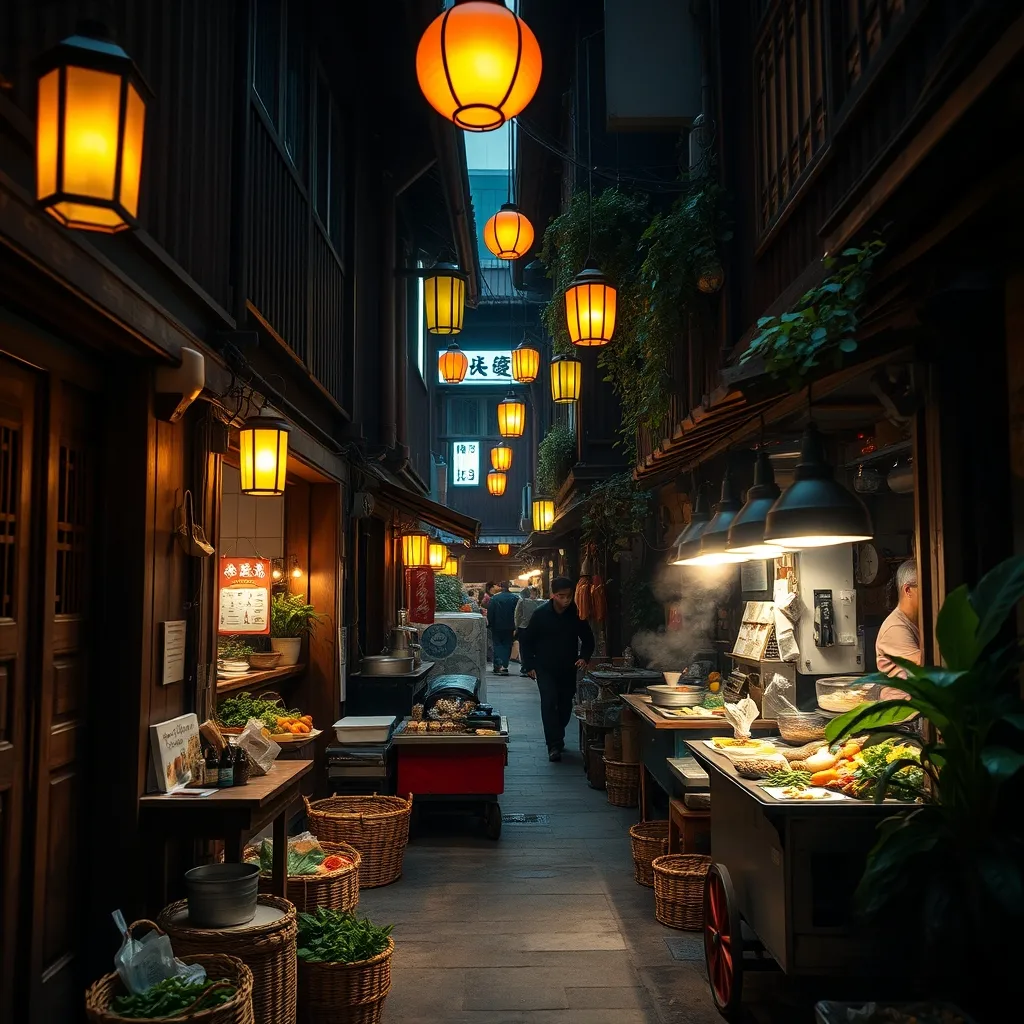
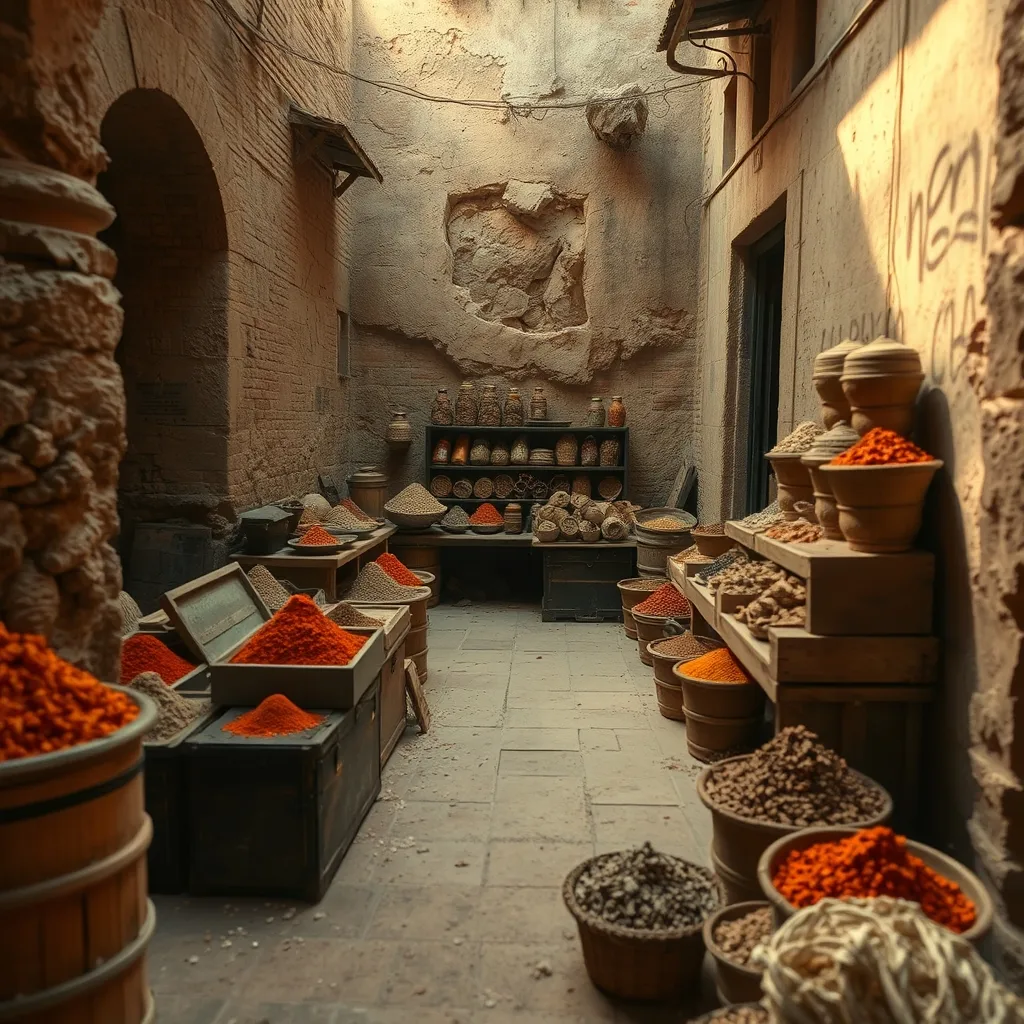
As I delved deeper into the city's culinary scene, I discovered a world of flavors that went far beyond the familiar kebabs and baklava. From the spicy kick of lahmacun to the tangy sweetness of freshly squeezed pomegranate juice, every dish told a story of the city's rich cultural heritage. I spent hours wandering through the bustling markets, sampling street food and chatting with vendors, who shared with me the secrets of their traditional recipes. And with each new discovery, my appreciation for the diversity and complexity of Istanbul's cuisine grew.
Flavors of the Past
One of the most fascinating aspects of Istanbul's culinary scene is the way it reflects the city's history. The Ottoman Empire, which once spanned across three continents, left an indelible mark on the city's cuisine. Dishes like güllaç, a delicate pastry filled with milk, sugar, and pomegranate seeds, and helva, a sweet confection made from semolina flour, are testaments to the empire's rich culinary legacy. As I sat in a small café, sipping a cup of strong Turkish coffee and nibbling on a piece of güllaç, I felt like I was tasting a piece of history. The flavors were familiar, yet exotic, a perfect blend of East and West.
But Istanbul's cuisine is not just about the past; it's also about the present. The city's strategic location, straddling Europe and Asia, makes it a melting pot of cultures and flavors. From the spicy flavors of the Middle East to the rich dairy products of Eastern Europe, every influence is reflected in the city's cuisine. And yet, despite this diversity, Istanbul's cuisine remains distinctly Turkish, with its own unique flavor profile and cooking techniques. As I explored the city's culinary scene, I began to appreciate the subtle nuances that set Turkish cuisine apart from its neighbors.
Culinary Crossroads
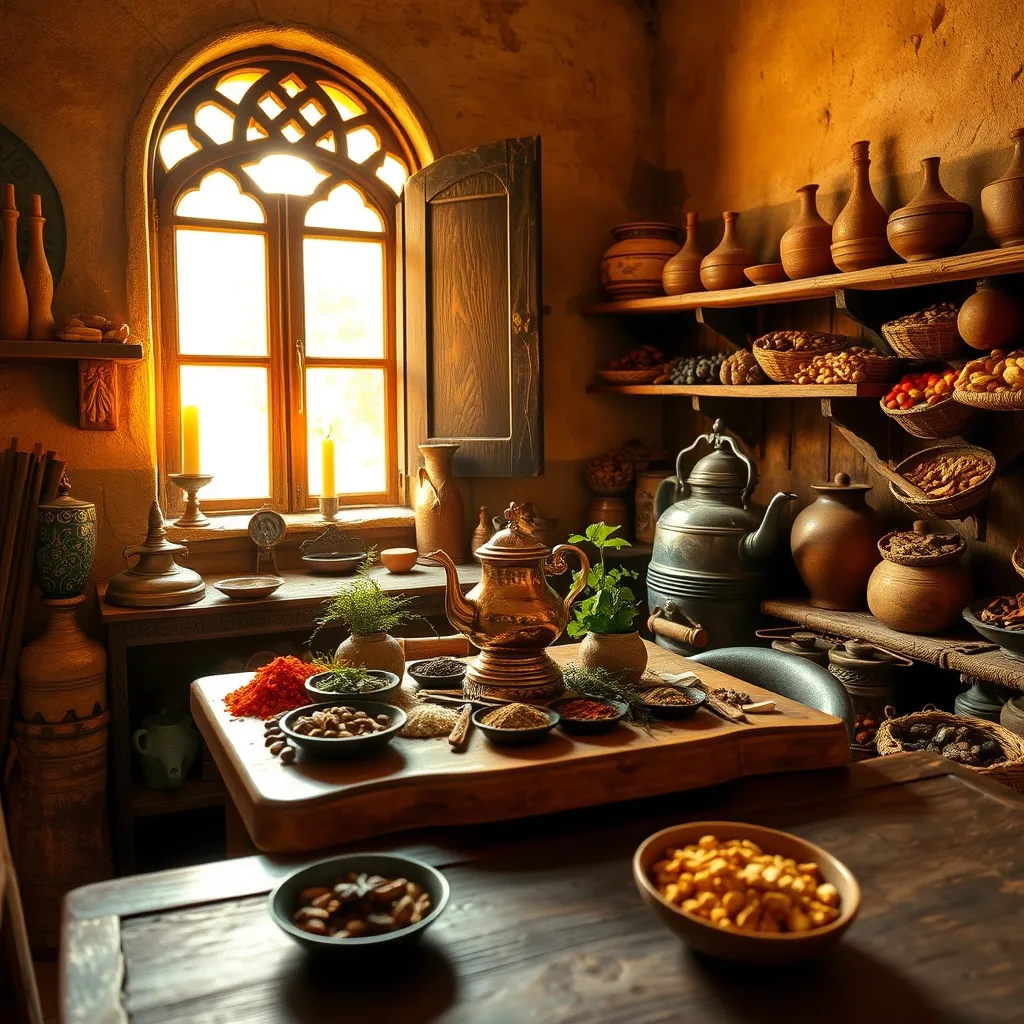
Istanbul's cuisine is also shaped by its geography. The city's proximity to the sea means that fresh seafood is a staple of the local diet. From the succulent grilled fish to the delicate seafood stews, every dish showcases the city's love affair with the ocean. And then there's the produce, a vibrant array of fruits and vegetables that reflect the city's Mediterranean climate. As I wandered through the markets, I marveled at the colorful displays of fresh produce, from the juicy tomatoes to the fragrant bunches of fresh herbs. Every ingredient told a story of the city's connection to the land and the sea.
As I continued to explore the city's culinary scene, I began to notice the subtle variations that existed between different neighborhoods and communities. From the traditional Ottoman cuisine of the old town to the modern, fusion cuisine of the trendy neighborhoods, every area had its own unique flavor profile. And yet, despite these differences, there was a common thread that ran through every dish, a thread that reflected the city's warm hospitality and generous spirit. As I sat down to a meal in a small, family-owned restaurant, I felt like I was part of a larger community, connected to the people and the place through the shared love of food.
A Lasting Impression
As I reflect on my culinary journey through Istanbul, I am reminded of the power of food to evoke emotions and create memories. The flavors of Istanbul are more than just a collection of ingredients and cooking techniques; they are a reflection of the city's soul. From the warm smile of the baker to the generous hospitality of the restaurant owners, every encounter left a lasting impression on my heart and palate. And as I look back on my time in Istanbul, I know that the city's cuisine will stay with me forever, a reminder of the beauty and diversity of this incredible city.
I explored a related angle in The Umami Paradox if you want to keep pulling this thread.
Even now, as I sit down to write about my experiences, I can almost smell the aroma of freshly baked simit wafting through the air, and taste the sweetness of pomegranate juice on my lips. The flavors of Istanbul are etched in my memory, a reminder of the incredible culinary journey that I embarked upon in this vibrant, fascinating city. And as I share my story with others, I hope to inspire them to embark on their own culinary adventures, to uncover the hidden flavors of Istanbul and experience the warm hospitality of this incredible city for themselves.