Flavors of Korea: A Journey Through Kimchi
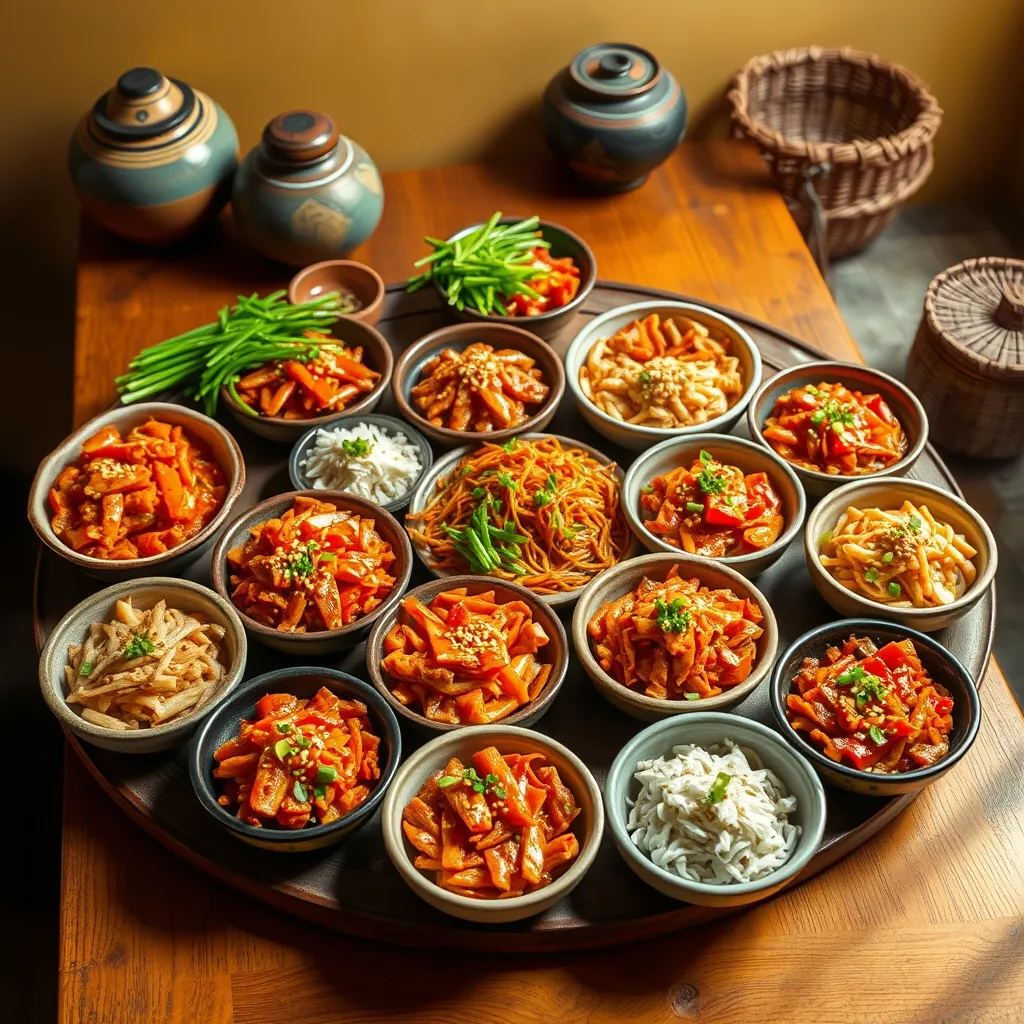
I still remember the first time I tried kimchi - the bold, pungent flavor hit me like a ton of bricks, and I was hooked. As I delved deeper into the world of Korean cuisine, I realized that kimchi was more than just a side dish - it was an integral part of the country's culture and history. With its rich, spicy flavor and numerous health benefits, it's no wonder that kimchi has become a staple in Korean households and a favorite among foodies around the world. In this journey through the flavors of Korea, I'll take you on a tour of the different types of kimchi, its history, and what makes it so unique.
The Origins of Kimchi
Kimchi has a long and storied history that dates back to the Silla Dynasty (57 BC-935 AD), where it was first mentioned in Korean records. The word "kimchi" is derived from the Korean word "kimchae," which means "salted fermented vegetable." Initially, kimchi was made with cabbage, radishes, and other vegetables, which were fermented in salt and other seasonings to create a spicy, sour flavor. Over time, kimchi evolved and spread throughout the Korean peninsula, with different regions developing their own unique variations. Today, there are hundreds of different types of kimchi, each with its own distinct flavor and texture.
One of the most interesting aspects of kimchi is its role in Korean culture. In traditional Korean households, kimchi was made in large quantities during the winter months, when vegetables were scarce. The fermented kimchi was then stored in clay pots, which were buried underground to keep them cool and fresh. This process, known as "kimjang," was an important part of Korean tradition and was often performed by entire communities. Even today, kimjang is still practiced in many parts of Korea, where families and friends come together to make kimchi and share in the festive atmosphere.
Types of Kimchi
With so many different types of kimchi to choose from, it can be overwhelming for beginners. Some of the most popular types of kimchi include baechu kimchi (made with napa cabbage), kkakdugi (made with radishes), and kimchi made with other vegetables like cucumbers and carrots. Each type of kimchi has its own unique flavor and texture, and some are spicier than others. For example, baechu kimchi is generally milder than kkakdugi, which has a bold, pungent flavor. There are also different levels of spiciness, ranging from mild to extremely hot, so there's something for every taste bud.
In addition to the different types of kimchi, there are also various ways of making it. Some recipes use a lot of garlic and ginger, while others rely on the natural flavor of the vegetables. Some kimchi is made with a lot of chili peppers, which gives it a bright red color and a spicy kick. Others are made with less chili peppers, resulting in a milder flavor. The beauty of kimchi is that it can be customized to suit any taste, and there are countless variations to try.
Health Benefits and Cultural Significance
Kimchi is not only delicious, but it's also incredibly healthy. The fermentation process involved in making kimchi creates lactic acid, which has been shown to have numerous health benefits, including improving digestion and boosting the immune system. Kimchi is also high in vitamins and minerals, and it contains a wealth of antioxidants that can help protect against disease. In Korea, kimchi is often served as a side dish, and it's a common ingredient in many traditional Korean recipes. It's also a popular ingredient in modern Korean cuisine, where it's often used as a topping for noodles, rice bowls, and other dishes.
I explored a related angle in The Art of Sourdough Bread Making if you want to keep pulling this thread.
As I continue on my journey through the flavors of Korea, I'm constantly amazed by the diversity and richness of Korean cuisine. From the spicy kick of kimchi to the delicate flavor of bibimbap, there's something for every taste and preference. Whether you're a seasoned foodie or just starting to explore the world of Korean cuisine, I highly recommend giving kimchi a try. With its bold flavor, numerous health benefits, and rich cultural significance, it's an experience you won't soon forget. So go ahead, take a bite, and discover the spicy, sour, and utterly delicious world of kimchi for yourself.