Unraveling the Secrets of Pompeii
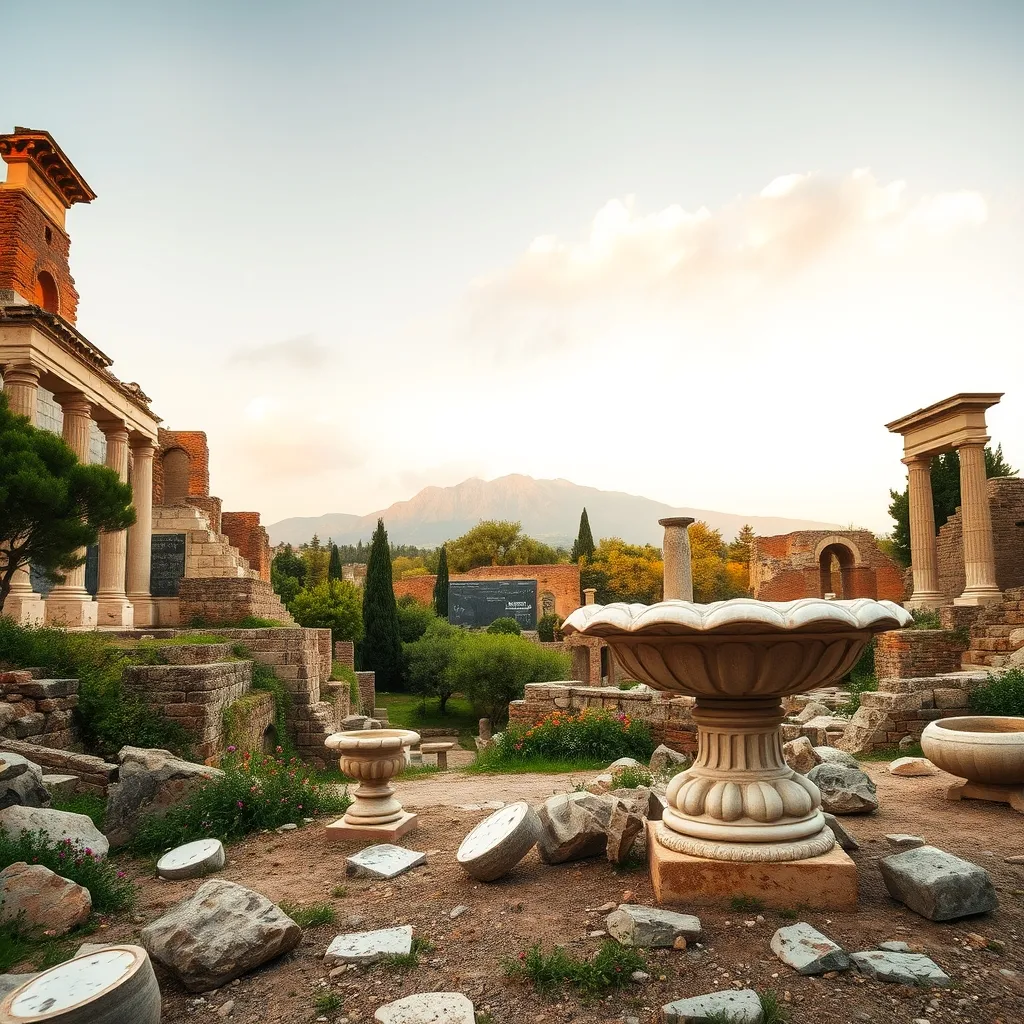
As I walk through the ancient streets of Pompeii, I am struck by the sheer magnitude of history that surrounds me. The city, frozen in time by the devastating volcanic eruption of Mount Vesuvius in 79 AD, is a treasure trove of secrets waiting to be unraveled. Every step I take, every ruin I explore, every artifact I examine, tells a story of a civilization that was thriving, vibrant, and full of life. The people of Pompeii, from the wealthy merchants to the humble slaves, left behind a legacy that is both fascinating and haunting.
Their daily lives, their traditions, their beliefs, and their values are all etched into the very fabric of the city. From the intricate mosaics that adorn the floors of the villas to the humble utensils found in the kitchens, every aspect of Pompeiian life is a testament to the ingenuity, creativity, and resilience of its people. As I delve deeper into the ruins, I begin to piece together the puzzle of life in ancient Pompeii, and what I find is nothing short of remarkable. The city was a bustling commercial center, a hub of trade and commerce that connected the Roman Empire to the rest of the world.
The City's Layout and Architecture
The city's layout and architecture are a reflection of the social and economic hierarchy of its inhabitants. The grand villas, with their beautifully manicured gardens and ornate fountains, stand in stark contrast to the humble homes of the working class. The streets, lined with shops, restaurants, and taverns, are a testament to the city's thriving economy. The architecture of Pompeii is also notable for its innovative use of space, with buildings often featuring multiple levels and intricate systems for water supply and drainage. As I explore the city, I am struck by the sophistication and complexity of its design, which is all the more remarkable given the limited technology and resources available at the time.
The Forum, the heart of the city, is a grand public space that showcases the architectural prowess of the Pompeiians. The Temple of Jupiter, the Basilica, and the markets all converge on the Forum, creating a vibrant and dynamic space that was the center of public life. The Forum was where the people of Pompeii came to socialize, conduct business, and participate in public events, and its design reflects the importance of community and civic engagement in ancient Roman culture. As I stand in the Forum, surrounded by the ruins of these magnificent buildings, I am filled with a sense of awe and wonder at the achievements of the people who built this city.
Uncovering the Daily Lives of Pompeii's Inhabitants
As I explore the ruins of Pompeii, I am constantly reminded of the people who lived here. Their stories, their struggles, and their triumphs are all etched into the walls, the floors, and the artifacts that remain. The plaster casts of the victims, frozen in time, are a poignant reminder of the human cost of the eruption. The everyday objects, from cooking utensils to personal jewelry, offer a glimpse into the daily lives of the people who lived in Pompeii. I find myself wondering about the lives of the individuals who owned these objects, what their daily routines were like, and how they interacted with one another.
The art and artifacts of Pompeii also provide a unique window into the culture and values of its inhabitants. The stunning mosaics, the vibrant frescoes, and the intricate sculptures all reflect the artistic and cultural achievements of the Pompeiians. The theater, with its impressive stone seating and elaborate stage, is a testament to the importance of entertainment and performance in ancient Roman culture. As I examine these artifacts, I am struck by the sophistication and refinement of the people who created them, and I begin to appreciate the richness and diversity of life in ancient Pompeii.
Preserving the Legacy of Pompeii
As I conclude my journey through the ruins of Pompeii, I am left with a sense of wonder, awe, and gratitude. The city, frozen in time, is a gift to us from the past, a reminder of the power of human ingenuity, creativity, and resilience. It is our responsibility to preserve this legacy, to protect the ruins from the ravages of time, and to ensure that the stories of the people who lived here are not lost to the ages. The preservation of Pompeii is not just a matter of conserving a historical site, but also of honoring the memory of the people who lived and died here. As I leave the ruins behind, I am filled with a sense of hope and appreciation for the enduring power of human culture and history.
I explored a related angle in Unveiling the Mystique of Viking Warriors if you want to keep pulling this thread.
In the end, Pompeii is more than just a city – it is a testament to the human spirit, a reminder of our capacity for creativity, innovation, and perseverance. As we continue to uncover the secrets of this ancient city, we are reminded of the importance of preserving our cultural heritage, and of the need to learn from the past in order to build a better future. The story of Pompeii is a powerful reminder of the enduring power of human culture, and it is a story that will continue to inspire and fascinate us for generations to come.