Unveiling the Mystique of Viking Warriors
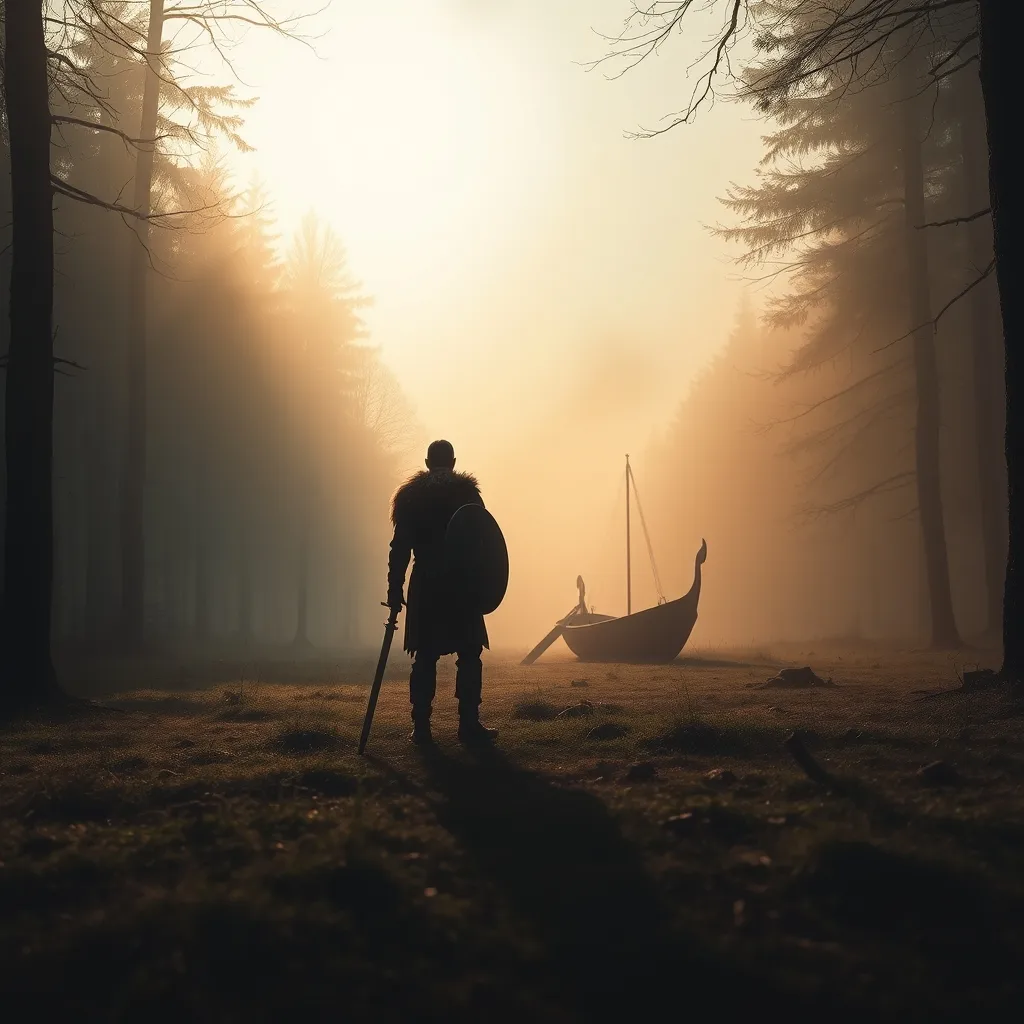
As we delve into the realm of Viking legends, it's easy to get caught up in the mystique surrounding these fierce warriors. For centuries, their name has been synonymous with brutality, conquest, and a fearless attitude towards battle. But who were these Vikings, really? What drove them to set sail across the treacherous seas, leaving in their wake a trail of destruction and chaos? To understand the Vikings, we must first immerse ourselves in their world, a world of harsh landscapes, mythical creatures, and a deep-seated desire for adventure and plunder.
The Viking Age, which spanned from the late 8th century to the mid-11th century, was a time of great upheaval and transformation in Europe. As the Roman Empire crumbled, power vacuums emerged, and the Vikings saw an opportunity to exploit these weaknesses. With their advanced sailing skills and formidable weaponry, they launched a series of raids and conquests that would leave a lasting impact on the continent. But the Vikings were more than just mindless barbarians; they were also skilled traders, craftsmen, and poets, with a rich cultural heritage that continues to fascinate us to this day.
The Viking Warrior Culture
At the heart of Viking society was the warrior culture, a complex and multifaceted phenomenon that defined their very existence. Viking warriors were expected to embody certain values, such as courage, loyalty, and strength, which were essential for survival in a world filled with danger and uncertainty. These warriors were trained from a young age in the art of combat, learning how to wield swords, axes, and spears with deadly precision. They were also expected to be skilled in hand-to-hand combat, able to take down their enemies with their bare fists if necessary. But Viking warriors were not just brutal killers; they were also deeply spiritual, believing in a pantheon of gods and goddesses who guided their actions and protected them in battle.
The Vikings' spiritual beliefs were closely tied to their natural environment, which was often harsh and unforgiving. They believed in a world of magic and wonder, where the forces of nature were imbued with spiritual power. Their gods and goddesses, such as Odin, Thor, and Freyja, were often depicted as powerful, larger-than-life figures, capable of controlling the elements and determining the course of human events. This spiritual dimension added a deeper layer of complexity to the Viking warrior culture, one that is often overlooked in popular depictions of these fierce fighters.
Viking Society and Daily Life
Despite their fearsome reputation, Viking society was surprisingly sophisticated, with a complex system of laws, social hierarchies, and cultural norms. Viking communities were typically small and tight-knit, with extended families living together in large farmhouses or villages. These communities were often self-sufficient, with their own farms, workshops, and trading networks. Viking women played a crucial role in these communities, managing the household, raising children, and even participating in trade and commerce. In fact, Viking women enjoyed a relatively high degree of freedom and autonomy, especially compared to their counterparts in other European societies.
Daily life in Viking society was marked by a strong sense of community and cooperation. Vikings would often gather together to celebrate festivals and holidays, such as the winter solstice or the summer harvest. These celebrations would typically involve feasting, drinking, and music, as well as ritual sacrifices and ceremonies to appease the gods. The Vikings were also known for their love of storytelling, with skilled poets and bards reciting epic tales of heroism and adventure. These stories would often be accompanied by music and song, adding to the rich cultural heritage of Viking society.
Legacy of the Viking Warriors
Today, the legacy of the Viking warriors continues to captivate our imagination, inspiring countless books, films, and TV shows. But the Vikings' impact on history goes far beyond the realm of popular culture. They played a significant role in shaping the course of European history, from the Norman Conquest of England to the rise of the Russian state. The Vikings also left a lasting legacy in the fields of language, literature, and art, with their influence visible in everything from the English language to the intricate metalwork of Celtic jewelry.
I explored a related angle in The Hidden World of Geisha Culture if you want to keep pulling this thread.
As we reflect on the mystique of Viking warriors, we are reminded of the complexity and nuance of human history. The Vikings were not just one-dimensional barbarians; they were multidimensional human beings, driven by a mix of motivations and desires. They were capable of great beauty and great brutality, often at the same time. And it is this paradox that continues to fascinate us, drawing us into the fierce and captivating world of Viking legends.