The Hidden World of Geisha Culture
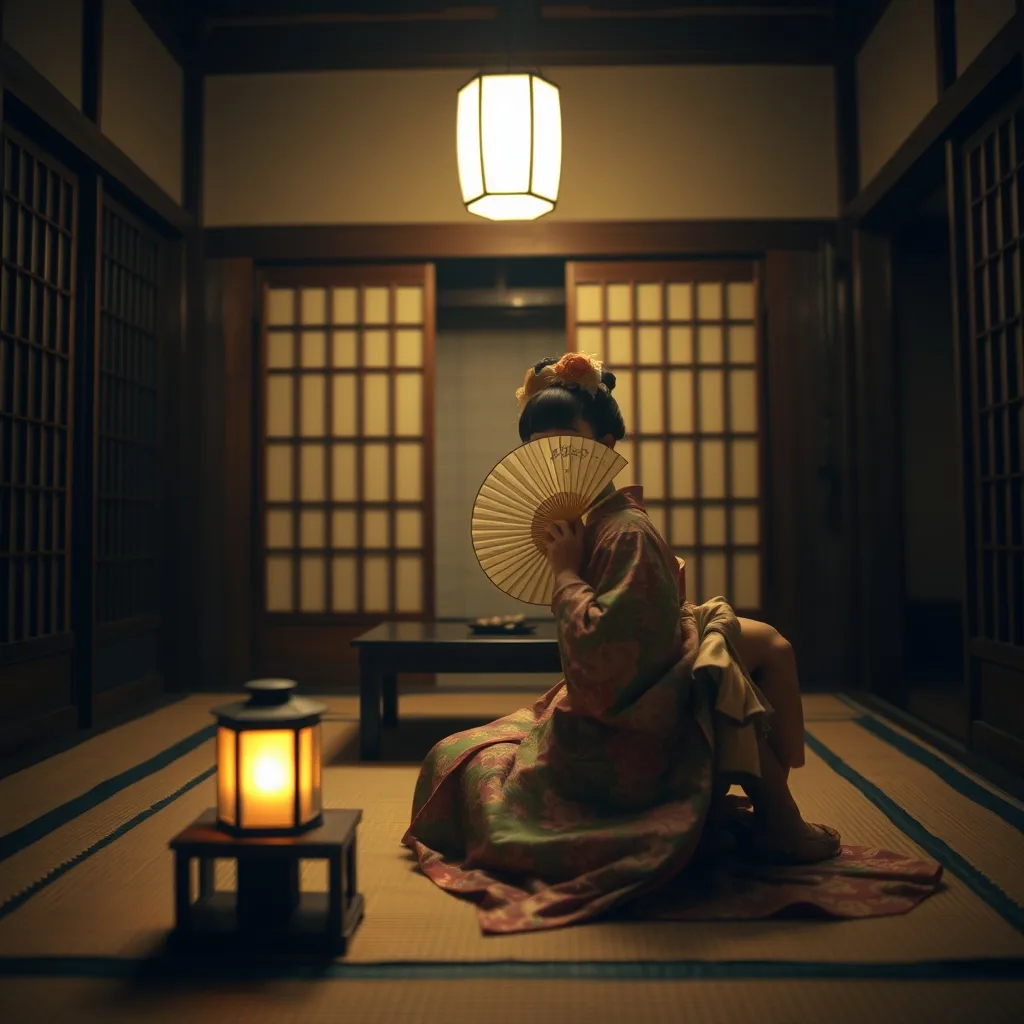
As I delve into the mysterious world of geisha culture, I am struck by the complexity and richness of this ancient tradition. For centuries, geisha have been shrouded in secrecy, their lives and practices hidden from the outside world. Yet, despite the veil of mystery, geisha culture has captivated the imagination of people around the globe. From the intricate designs of their kimonos to the precise movements of their traditional dances, every aspect of geisha culture seems to whisper stories of a bygone era. In this blog post, I will attempt to lift the curtain and reveal the hidden world of geisha culture, exploring its history, traditions, and the women who have dedicated their lives to this unique and fascinating profession.
Origins and Evolution
Geisha culture has its roots in 17th-century Japan, when entertainers known as geiko or geisha began to emerge in the pleasure quarters of cities like Kyoto and Tokyo. These skilled performers were trained in various arts, including music, dance, and poetry, and were sought after by wealthy patrons for their charming company and exquisite talents. Over time, geisha culture evolved and became more refined, with geisha undergoing rigorous training in traditional arts and developing a distinct code of conduct and etiquette. Today, geisha culture remains a vibrant and dynamic tradition, with modern geisha continuing to push the boundaries of this ancient art form while remaining true to its core values and principles.
One of the most fascinating aspects of geisha culture is the rigorous training that geisha undergo. From a young age, aspiring geisha are immersed in a world of traditional arts, studying the intricacies of Japanese music, dance, and poetry. They learn to play the shamisen, a traditional Japanese instrument, and to perform complex dances that require great skill and precision. They also study the art of conversation, learning to engage in witty repartee and to navigate the complex web of social relationships that is at the heart of geisha culture. This training is not just about acquiring technical skills, but about cultivating a deep understanding of Japanese culture and tradition.
The Life of a Geisha
Despite the glamour and mystique that surrounds geisha culture, the life of a geisha is not an easy one. Geisha typically begin their training at a young age, often between 6 and 12 years old, and undergo a rigorous apprenticeship that can last for many years. During this time, they are taught the traditional arts and skills that are necessary to become a geisha, including music, dance, and poetry. They also learn about the history and traditions of geisha culture, and are instructed in the complex code of conduct and etiquette that governs the behavior of geisha. Once they have completed their training, geisha are free to pursue their careers, entertaining patrons at traditional tea houses and other venues. However, the life of a geisha is not without its challenges, and many geisha face difficulties in their personal and professional lives, from the pressure to maintain a perfect image to the risk of exploitation and abuse.
Despite these challenges, many geisha find great fulfillment in their work, and are deeply committed to preserving and promoting the traditional arts and culture of Japan. For these women, being a geisha is not just a profession, but a way of life, one that requires great dedication, discipline, and passion. As I talk to geisha and learn more about their lives and experiences, I am struck by their intelligence, creativity, and strength, and I am reminded of the importance of preserving and respecting this unique and fascinating culture.
Preserving a Tradition
As the world becomes increasingly globalized and modernized, there is a risk that traditional cultures like geisha culture will be lost or forgotten. However, there are many people who are working to preserve and promote geisha culture, from the geisha themselves to scholars, artists, and enthusiasts. These individuals are dedicated to ensuring that the traditional arts and customs of Japan are passed down to future generations, and that the unique culture and heritage of the geisha are protected and respected. As I reflect on my journey into the hidden world of geisha culture, I am filled with a sense of wonder and awe at the beauty and complexity of this ancient tradition. I hope that by sharing my experiences and insights, I can help to raise awareness and appreciation for geisha culture, and to inspire others to learn more about this fascinating and enigmatic world.
I explored a related angle in Uncovering the Secrets of the Taj Mahal if you want to keep pulling this thread.
In conclusion, geisha culture is a rich and complex tradition that continues to captivate and inspire people around the world. From its origins in 17th-century Japan to the present day, geisha culture has evolved and adapted, while remaining true to its core values and principles. As we look to the future, it is essential that we preserve and promote this unique and fascinating culture, and that we recognize the importance of the geisha as guardians of traditional Japanese arts and customs. By doing so, we can ensure that the hidden world of geisha culture remains a vibrant and dynamic part of our shared cultural heritage, and that its beauty and wisdom continue to inspire and enrich us for generations to come.