Beyond Ramen: Japan's Unsung Noodle Dishes
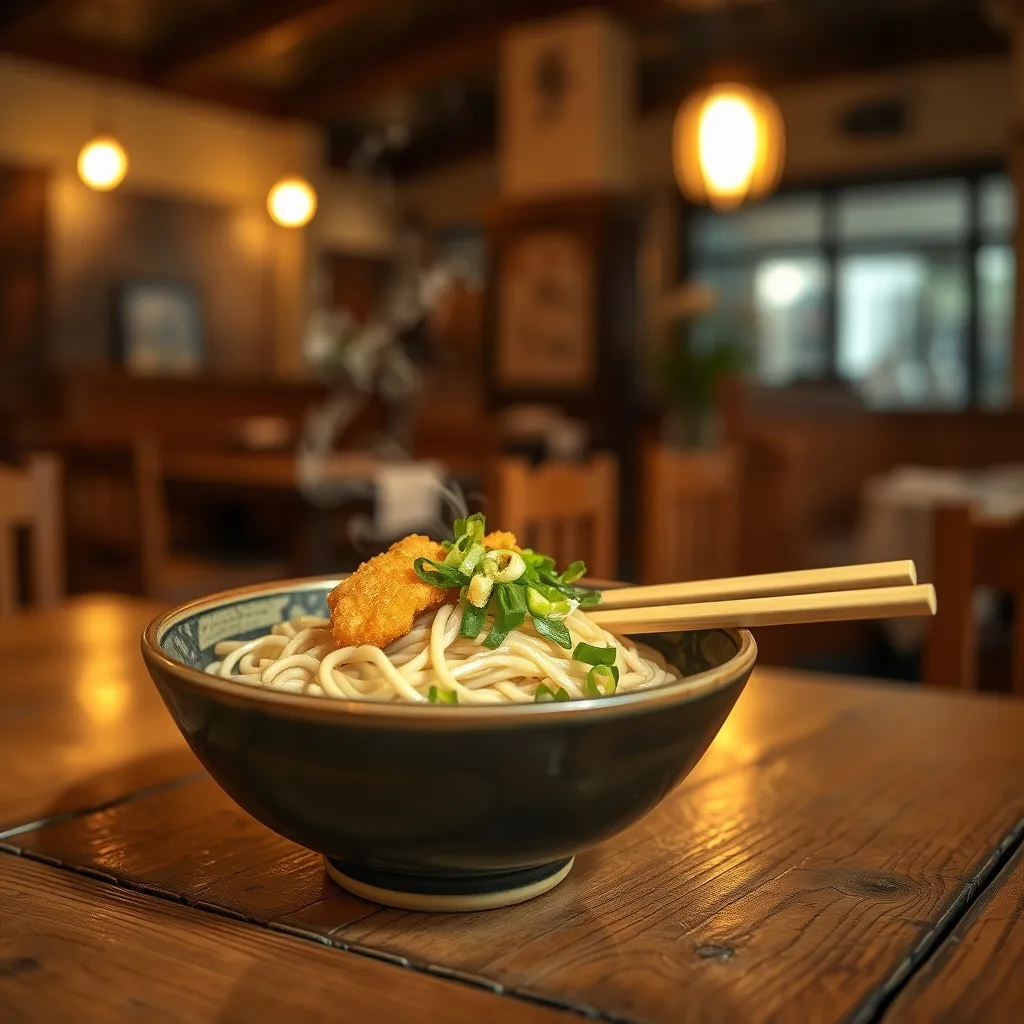
When it comes to Japanese noodles, ramen often steals the spotlight. And for good reason - a perfectly balanced bowl of rich tonkotsu or savory shoyu ramen is a culinary experience like no other. But Japan has a diverse and vibrant noodle culture that extends far beyond the popular ramen shops. As a long-time enthusiast of Japanese cuisine, I'm excited to share some of the country's lesser-known noodle dishes that are definitely worth trying.
From the thin, delicate soba noodles served cold with dipping sauce, to the hearty, comforting udon noodles served in a hot broth, Japan's regional noodle specialties are a testament to the country's rich culinary heritage. In this post, I'll take you on a journey to discover some of Japan's hidden noodle gems, and explore the unique flavors and traditions that make each dish special.
Regional Specialties
One of the most fascinating aspects of Japanese noodle culture is the regional variation. Different parts of the country have their own unique noodle specialties, often made with local ingredients and reflecting the region's distinct cultural and historical context. For example, the city of Nagoya is famous for its kishimen noodles, which are flat and wide, similar to Italian pasta. These noodles are typically served in a light, soy-based broth with various toppings such as sliced pork, boiled egg, and green onions.
Another regional specialty is the sanuki udon from the Kagawa prefecture on the island of Shikoku. These thick, chewy noodles are made from a special type of wheat flour and are often served in a hot broth with ingredients such as tempura bits, fish cakes, and aburaage (deep-fried tofu). The combination of the noodles' texture and the rich, savory broth makes for a truly satisfying and comforting meal.
Noodle Types and Preparations
Beyond the regional specialties, Japan also offers a wide range of noodle types and preparations. Somen noodles, for example, are very thin and delicate, making them perfect for serving cold with a light dipping sauce. Hiya-mugi noodles, on the other hand, are made from a combination of wheat and barley flour, giving them a distinctive nutty flavor and firm texture. These noodles are often served in a hot broth with ingredients such as chicken, vegetables, and mushrooms.
Then there's the fascinating world of Japanese noodle soups, which offer a rich and varied array of flavors and ingredients. Torisoba, for example, is a chicken-based noodle soup that's popular in the Tokyo region. The broth is made with a rich chicken stock, soy sauce, and sake, and is served with thin noodles and toppings such as sliced chicken, green onions, and grated daikon. Another popular noodle soup is tanuki udon, which features thick, chewy noodles served in a hot broth with tempura bits and other ingredients.
Exploring Japan's Noodle Culture
As you explore Japan's diverse noodle culture, you'll begin to appreciate the unique traditions and customs that surround each dish. From the specialized noodle shops and restaurants, to the regional festivals and events, Japan's noodle culture is a vibrant and fascinating world that's waiting to be discovered. Whether you're a seasoned foodie or just starting to explore the world of Japanese cuisine, I encourage you to venture beyond the familiar realm of ramen and discover the many hidden gems that Japan's noodle culture has to offer.
I explored a related angle in The Umami Paradox if you want to keep pulling this thread.
So next time you're in Japan, be sure to try some of the local noodle specialties, and don't be afraid to venture off the beaten path. You might stumble upon a tiny noodle shop in a quiet alleyway, or discover a unique regional specialty that becomes your new favorite dish. With its rich flavors, varied textures, and deep cultural heritage, Japan's noodle culture is a true culinary treasure that's waiting to be explored and enjoyed.