Flavors of Forgotten Spain
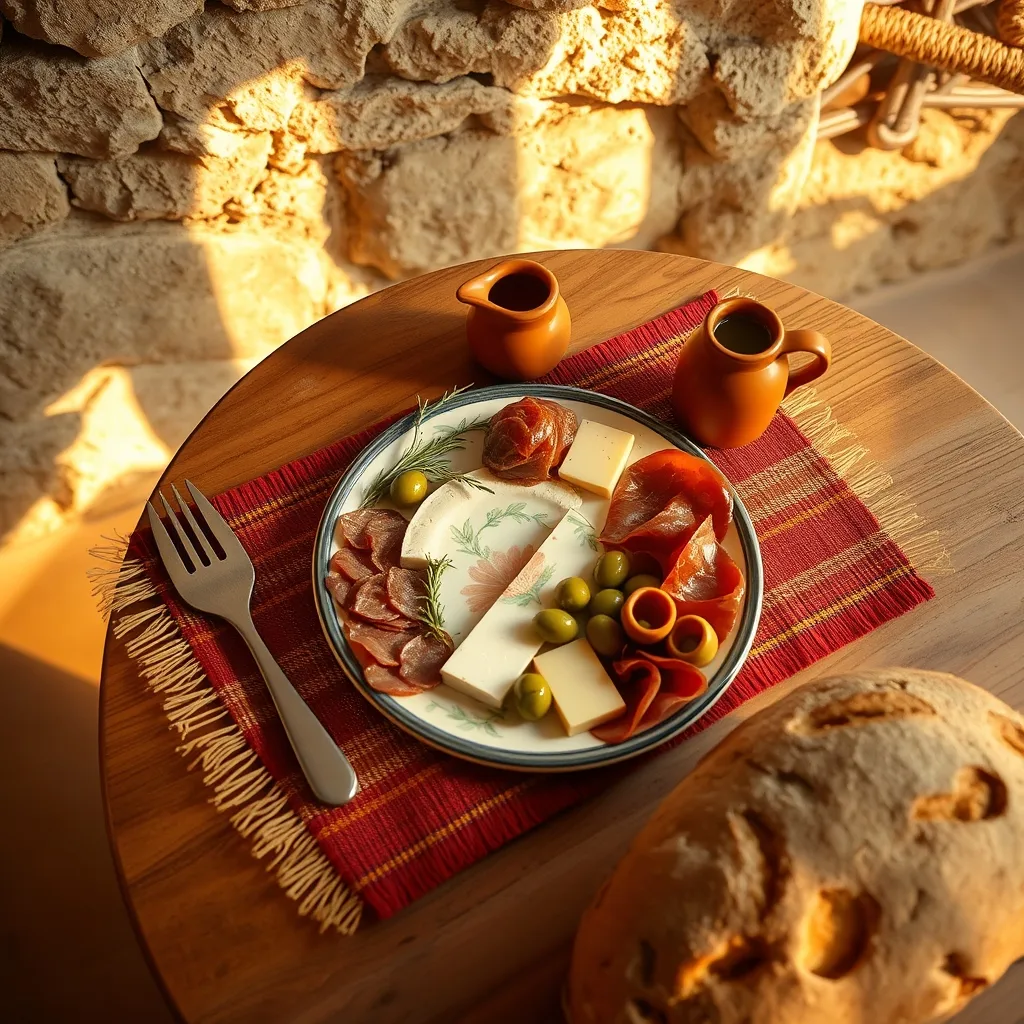
I still remember the first time I stumbled upon a small, family-owned tapas bar in a quiet alley of Madrid. The sign above the door read "El Olvido" - The Forgotten One - and the aroma of sizzling chorizo and freshly baked bread wafting out of the kitchen was irresistible. As I pushed open the door, I was greeted by the warm smile of the owner, Maria, who welcomed me with a hearty "¡hola, hijo!" - hello, son. The bar was cozy, with dark wooden beams and vintage posters adorning the walls, and the atmosphere was lively, with the sound of laughter and clinking glasses filling the air.
As I made my way to the counter, Maria handed me a small plate of croquetas, crispy on the outside and creamy on the inside, filled with a rich, flavorful ham. I was in heaven. The flavors were unlike anything I had ever tasted before - a perfect balance of salty, sweet, and smoky. As I devoured the croquetas, Maria told me about the secret ingredient, a type of cured ham that was only available in a small village in the countryside. I was intrigued, and my curiosity was piqued. I wanted to learn more about the flavors of forgotten Spain, the hidden gems that only the locals knew about.
The Art of Tapas
Tapas, the small, shareable plates of food that are a staple of Spanish cuisine, are an art form. Each region, each town, each family has its own unique twist, its own secret ingredients and techniques. From the spicy patatas bravas of Andalusia to the rich, creamy tortilla of Castile, every tapas dish tells a story of the people and the place that created it. And yet, despite the popularity of tapas, there are still many hidden gems, many forgotten flavors that are waiting to be discovered. Flavors that are rooted in tradition, but also innovative and exciting, like the modern take on the classic gazpacho, with its sweet and tangy flavors, or the hearty fabada asturiana, a rich stew made with chorizo, morcilla, and panceta.
As I traveled through Spain, I encountered many of these forgotten flavors. In the Basque Country, I discovered the delicious pintxos, small bites of food that are typically served on a toothpick, like the crispy, cheesy croquetas or the tender, grilled octopus. In Catalonia, I fell in love with the rich, flavorful escalivada, a dish made with roasted vegetables, typically eggplants, peppers, and onions, and served with a drizzle of olive oil and a sprinkle of salt. And in Galicia, I was amazed by the simplicity and elegance of the empanada, a savory pastry filled with seafood or meat, and served with a side of tangy, spicy sauce.
Regional Specialties
One of the things that I love about Spanish cuisine is the regional specialties, the unique dishes that are only found in specific parts of the country. Like the cocido madrileño, a hearty stew made with chickpeas, vegetables, and meat, that is only found in Madrid. Or the fabada asturiana, a rich stew made with chorizo, morcilla, and panceta, that is only found in Asturias. These regional specialties are a reflection of the local culture, the history, and the traditions of the people who live there. They are a way of preserving the past, while also innovating and evolving, like the modern take on the classic paella, with its sweet and smoky flavors, or the hearty, comforting churros con chocolate, a classic Spanish dessert.
As I delved deeper into the world of forgotten Spain, I began to appreciate the complexity and diversity of the cuisine. I realized that there was so much more to Spanish food than just paella and tortilla, that there were countless hidden gems waiting to be discovered. And I was determined to find them, to taste them, and to share them with the world. From the spicy, smoky flavors of the Andalusian cuisine, to the rich, creamy flavors of the Castilian cuisine, every region, every town, every family has its own unique twist, its own secret ingredients and techniques.
A World of Flavors
Today, as I look back on my journey through forgotten Spain, I am filled with a sense of wonder and awe. I am amazed by the diversity and richness of the cuisine, by the countless flavors and ingredients that I encountered along the way. And I am grateful for the experience, for the opportunity to discover the hidden gems of Spanish cuisine, and to share them with the world. Whether you are a foodie, a traveler, or simply someone who loves to cook and eat, I encourage you to explore the flavors of forgotten Spain, to discover the hidden tapas, and to experience the warm hospitality of the Spanish people. For in the world of Spanish cuisine, there is always something new to discover, always a new flavor to taste, and always a new story to tell.
I explored a related angle in Tokyo's Hidden Ramen Gems if you want to keep pulling this thread.
In the end, my journey through forgotten Spain was not just about the food, but about the people, the culture, and the traditions that make this country so unique and special. It was about the warm smiles, the lively conversations, and the generous hospitality of the Spanish people. And it was about the flavors, the aromas, and the textures that make Spanish cuisine so delicious and addictive. So, if you ever find yourself in Spain, be sure to venture off the beaten path, to explore the hidden corners, and to discover the forgotten flavors that await you. For in the world of Spanish cuisine, there is always something new to discover, and always a new adventure to be had.