Flavors of the Mediterranean Diet
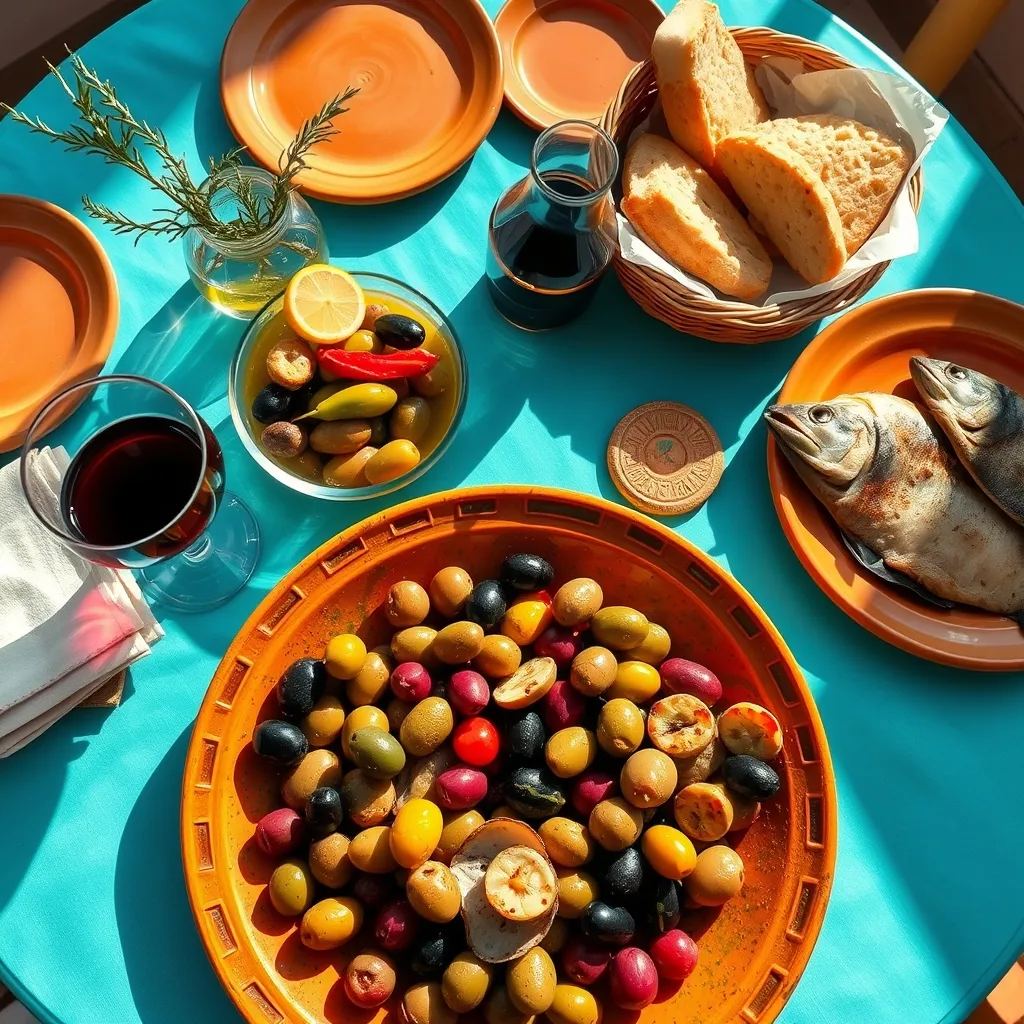
I'm a firm believer that the key to a long and healthy life lies in the food we eat, and the Mediterranean diet is a shining example of this. With its emphasis on fresh fruits and vegetables, whole grains, and healthy fats, it's no wonder that this diet has been touted as one of the healthiest in the world. As someone who's passionate about food and its impact on our well-being, I'm excited to dive into the flavors of the Mediterranean diet and explore what makes it so unique and beneficial.
From the sun-kissed hills of Greece to the bustling markets of Morocco, the Mediterranean region is a melting pot of flavors and cuisines. At its core, the Mediterranean diet is characterized by a focus on plant-based foods, with an emphasis on fruits, vegetables, whole grains, and legumes. These foods are not only delicious, but they're also packed with nutrients, antioxidants, and fiber, making them a great way to support overall health and well-being. Of course, no discussion of the Mediterranean diet would be complete without mentioning the importance of olive oil, which is used liberally in cooking and as a finishing touch for many dishes.
Regional Flavors and Ingredients
One of the things I love most about the Mediterranean diet is the diversity of flavors and ingredients that are used throughout the region. In Greece, for example, you'll find a emphasis on feta cheese, kalamata olives, and sun-dried tomatoes, which are often combined in salads, pasta dishes, and as toppings for grilled meats and vegetables. In Italy, the focus is on bold flavors like garlic, basil, and lemon, which are used to add depth and brightness to dishes like pasta carbonara, bruschetta, and osso buco. And in Spain, the cuisine is all about bold flavors and spices, with a focus on ingredients like saffron, smoked paprika, and chorizo, which are used to add smoky, savory flavor to dishes like paella and tortilla española.
Despite these regional differences, there are some common threads that run throughout the Mediterranean diet. One of the most important is the emphasis on using high-quality, seasonal ingredients, which are often sourced from local farms and markets. This not only ensures that the food is fresh and flavorful, but it also helps to support the local economy and reduce the carbon footprint of the diet. Another key element is the use of herbs and spices, which are used to add flavor and depth to dishes without relying on salt or sugar. Some of the most commonly used herbs and spices in the Mediterranean diet include oregano, thyme, rosemary, and cumin, which are often combined in blends like za'atar and ras el hanout.
Signature Dishes and Cooking Techniques
So what are some of the signature dishes and cooking techniques that define the Mediterranean diet? One of the most iconic dishes is surely the Greek salad, which combines juicy tomatoes, crunchy cucumbers, and creamy feta cheese with a drizzle of olive oil and a sprinkle of oregano. Another favorite is paella, the Spanish rice dish that's cooked with saffron, chorizo, and seafood, and is often served at outdoor gatherings and celebrations. And then there's the Italian staple, pasta carbonara, which combines rich eggs, guanciale, and parmesan cheese with a sprinkle of black pepper and a squeeze of lemon juice.
In terms of cooking techniques, the Mediterranean diet is all about simplicity and restraint. Rather than relying on complicated sauces or elaborate preparations, Mediterranean cooks tend to focus on bringing out the natural flavors of the ingredients, using techniques like grilling, roasting, and sautéing to add texture and depth to dishes. Of course, there are also plenty of slow-cooked stews and braises, like the French bouillabaisse or the Moroccan tagine, which are cooked for hours to develop rich, complex flavors. And let's not forget the importance of preserving and pickling, which are used to extend the shelf life of seasonal ingredients and add a tangy, salty flavor to dishes.
Nourishing Body and Soul
For me, the Mediterranean diet is about more than just food – it's about a way of life. It's about taking the time to appreciate the simple things, like a beautiful sunset or a delicious meal shared with friends and family. It's about prioritizing health and well-being, and recognizing that the food we eat has a profound impact on our overall quality of life. And it's about connecting with the natural world, and recognizing that the food we eat is not just a source of sustenance, but also a source of pleasure and joy.
I explored a related angle in Uncovering the Art of Korean BBQ if you want to keep pulling this thread.
As I reflect on the flavors of the Mediterranean diet, I'm reminded of the importance of living in harmony with the natural world. By embracing the principles of this diet, we can not only improve our own health and well-being, but also support sustainable agriculture, reduce our environmental impact, and help to preserve the rich cultural heritage of the Mediterranean region. So let's raise a glass (of olive oil, of course!) to the Mediterranean diet, and to the simple, delicious, and nourishing flavors that it has to offer. Whether you're a longtime fan of this diet or just discovering its joys, I hope you'll join me on this culinary journey, and experience the many wonders of the Mediterranean diet for yourself.