Uncovering the Art of Korean BBQ
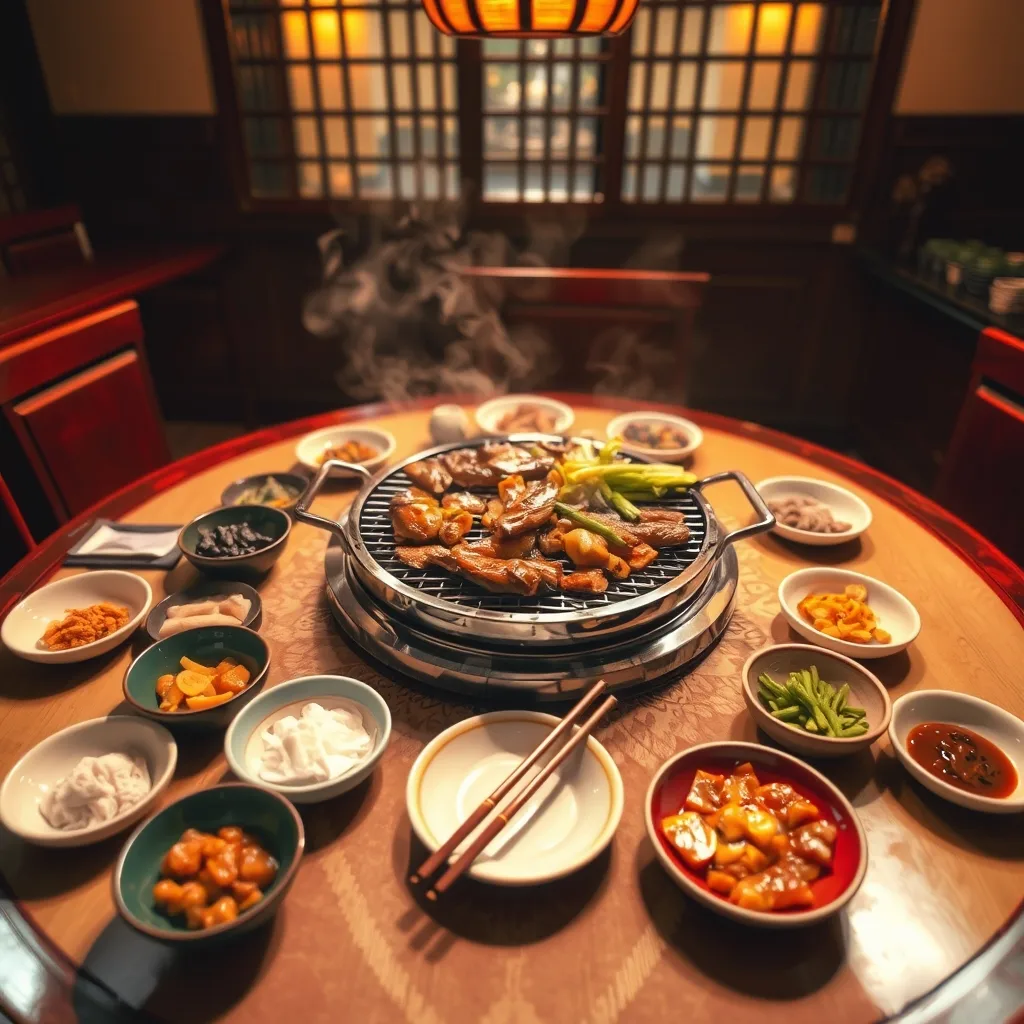
As I stepped into the bustling streets of Seoul, the aroma of sizzling meat and spices enveloped me, drawing me into the world of Korean BBQ. This culinary art form is more than just a meal, it's an experience that awakens the senses and brings people together. From the tender marbling of the meat to the bold flavors of the sauces, every element of Korean BBQ is a testament to the country's rich culinary heritage. In this blog post, I'll delve into the history, techniques, and cultural significance of Korean BBQ, uncovering the secrets that make it a truly unique and unforgettable experience.
The Origins of Korean BBQ
Korean BBQ has its roots in the country's ancient history, dating back to the Goguryeo era when meat was grilled over open flames as a way to preserve it. Over time, this primitive cooking method evolved into a sophisticated culinary art form, with various regions developing their own unique styles and specialties. The city of Seoul, in particular, is renowned for its high-quality meats and expertly crafted sauces, which have become the hallmark of Korean BBQ. From the popular galbi (short ribs) to the tender bulgogi (thinly sliced marinated beef), each cut of meat is carefully selected and prepared to showcase its natural flavors and textures.
One of the key factors that sets Korean BBQ apart from other grilled meats is the use of a specialized grill called a "girdle" or "griddle." This flat, wide grill allows for even heat distribution and precise control over the cooking temperature, ensuring that the meat is cooked to perfection every time. Additionally, the girdle is typically made of thick, heat-retentive materials such as cast iron or stone, which helps to sear the meat and lock in its juices. Whether you're a seasoned foodie or just discovering the joys of Korean BBQ, the combination of tender meat, crispy crust, and savory sauces is sure to leave you craving more.
The Art of Marination and Sauces
Marination is a crucial step in the Korean BBQ process, as it allows the meat to absorb the bold flavors and aromas of the sauces. The most common marinades are made with a combination of soy sauce, garlic, ginger, sugar, and sesame oil, which are carefully balanced to enhance the natural flavors of the meat. Some restaurants and chefs also add their own secret ingredients, such as Korean chili flakes (gochugaru) or fermented soybean paste (doenjang), to give their dishes an extra layer of depth and complexity. The sauces, too, are an integral part of the Korean BBQ experience, with popular options like ssamjang (a thick, spicy paste) and gyeranjjim (a savory, umami-rich sauce) adding a burst of flavor to each bite.
What's fascinating about Korean BBQ is the way it brings people together. In traditional Korean culture, mealtimes are seen as opportunities to bond with family and friends, and Korean BBQ is no exception. The communal nature of the grill, where everyone gathers around to cook and share food, fosters a sense of camaraderie and social connection. Whether you're dining with locals or fellow travelers, the experience of Korean BBQ is sure to leave you with lasting memories and a deeper appreciation for the country's rich culinary heritage. As I sat down to enjoy my own Korean BBQ feast, I was struck by the sheer variety of flavors and textures on offer, from the crispy kimchi (spicy fermented cabbage) to the sweet, sticky rice cakes.
Cultural Significance and Modern Twists
Today, Korean BBQ is more popular than ever, with restaurants and food trucks popping up in cities around the world. Despite its growing global popularity, however, Korean BBQ remains deeply rooted in Korean culture and tradition. In Seoul, you can still find generations-old restaurants serving up classic dishes like bossam (wrapped pork) and jeyuk bokkeum (stir-fried pork), using techniques and ingredients that have been passed down through the years. At the same time, modern chefs and restaurateurs are experimenting with new flavors and ingredients, incorporating everything from fusion sauces to plant-based meats into their dishes. This blending of old and new is a testament to the versatility and creativity of Korean BBQ, which continues to evolve and adapt to changing tastes and trends.
I explored a related angle in Forgotten Fruits of the Amazon if you want to keep pulling this thread.
As I finished my meal and prepared to leave, I felt grateful for the opportunity to experience the authentic flavors and traditions of Korean BBQ. Whether you're a food enthusiast, a curious traveler, or simply someone who loves to explore new cuisines, Korean BBQ is sure to delight and inspire. With its rich history, bold flavors, and communal spirit, this beloved culinary art form is a true reflection of Korea's warm and welcoming culture. So why not embark on your own Korean BBQ adventure, and discover the secrets and flavors that have captivated the hearts and taste buds of people around the world?