Forgotten Fruits of the Amazon
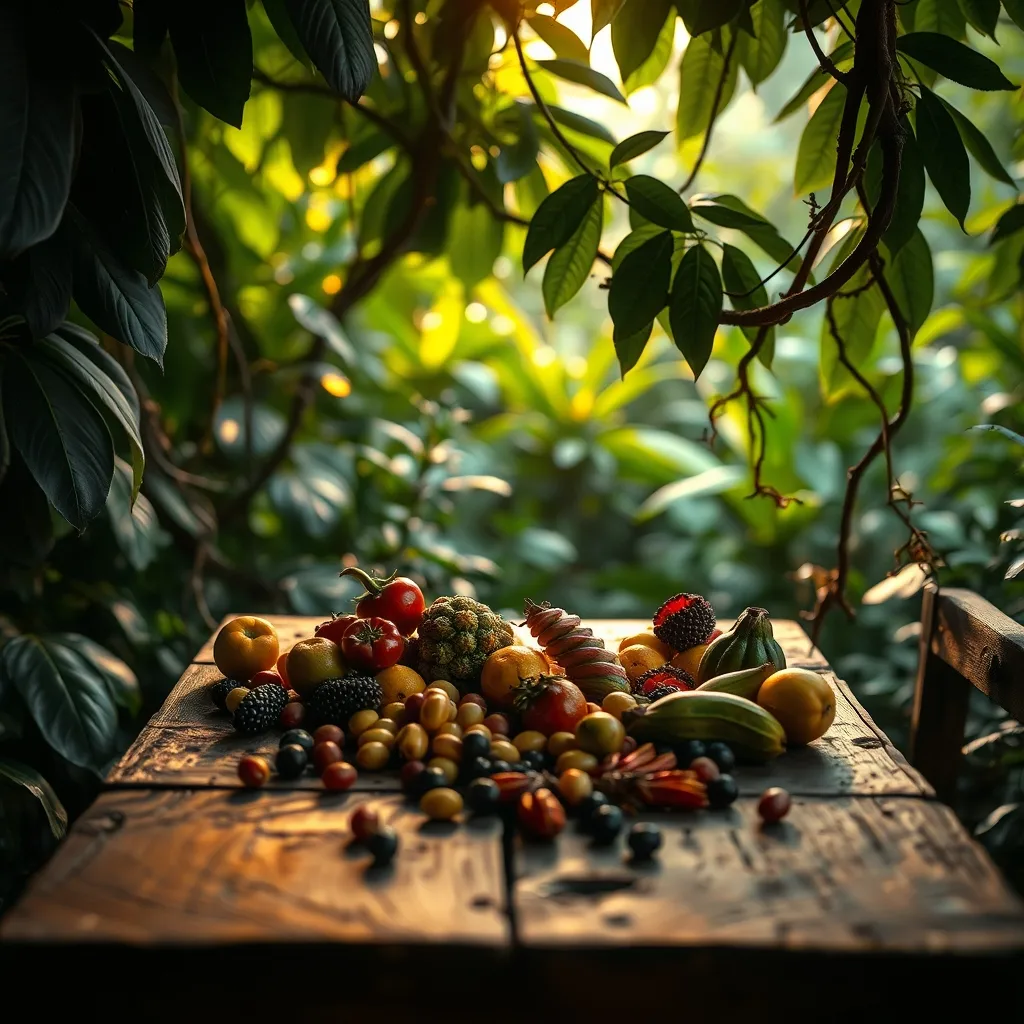
I've always been fascinated by the Amazon rainforest, not just for its breathtaking landscapes and incredible biodiversity, but also for the plethora of exotic fruits that grow there. As someone who's passionate about cuisine, I believe that discovering new flavors and ingredients is essential to broadening our culinary horizons. The Amazon is home to a staggering array of fruits, many of which are still unknown to the Western world. In this blog post, I'll be exploring some of the most fascinating and delicious forgotten fruits of the Amazon, and why they deserve to be rediscovered.
From the creamy pulp of the guanabana to the tangy sweetness of the cupuacu, the Amazon is a treasure trove of flavors waiting to be uncovered. One of the most interesting aspects of Amazonian fruits is their unique characteristics, which have evolved to thrive in the rainforest's challenging environment. For example, the acai berry, which is native to the Amazon, has a deep purple color and a rich, slightly bitter taste that's both refreshing and invigorating. Another fruit that's worth mentioning is the physalis, which has a papery husk and a sweet, slightly tart taste that's reminiscent of a combination of strawberries and pineapples.
Introduction to Amazonian Fruits
Amazonian fruits are not just a curiosity, but also an important part of the region's cuisine and culture. In many Amazonian communities, fruits are a staple food, and are often eaten fresh, used in cooking, or made into juices and preserves. The Amazon is home to over 3,000 species of fruits, many of which are still unknown to science. This incredible diversity is due to the rainforest's unique geography, which has created a wide range of ecosystems that support an astonishing array of plant and animal life. From the flooded forests of the igapo to the dry forests of the caatinga, each ecosystem has its own unique set of fruits that have evolved to thrive in those conditions.
One of the most fascinating aspects of Amazonian fruits is their medicinal properties. Many of these fruits have been used for centuries in traditional medicine, and are still used today to treat a range of ailments, from fever and inflammation to digestive problems and skin conditions. For example, the fruit of the buransero tree has been shown to have anti-inflammatory properties, while the fruit of the uvaia tree has been used to treat digestive problems. These fruits are not just a source of nutrition, but also a source of healing and wellness.
Culinary Uses of Amazonian Fruits
So, how can we use these exotic fruits in our cooking? The answer is, in a wide range of ways. Amazonian fruits can be used to make juices, smoothies, and desserts, or as a topping for yogurt, oatmeal, or ice cream. They can also be used in savory dishes, such as stews, soups, and salads. For example, the fruit of the tamarillo tree can be used to make a delicious sauce that's similar to tomato sauce, but with a sweeter, more complex flavor. The fruit of the guanabana tree can be used to make a creamy dessert that's similar to cheesecake, but with a lighter, more refreshing texture.
In addition to their culinary uses, Amazonian fruits also have the potential to support sustainable development in the region. By promoting the cultivation and trade of these fruits, we can help to support local communities and conserve the rainforest ecosystem. This is especially important in the Amazon, where deforestation and habitat destruction are major threats to the environment. By supporting sustainable agriculture and trade, we can help to ensure that the Amazon rainforest continues to thrive for generations to come.
Conclusion and Future Prospects
In conclusion, the forgotten fruits of the Amazon are a treasure trove of flavors and ingredients that deserve to be rediscovered. From the creamy pulp of the guanabana to the tangy sweetness of the cupuacu, these fruits offer a wide range of culinary possibilities that can add excitement and variety to our diets. By promoting the cultivation and trade of these fruits, we can also support sustainable development in the region and help to conserve the rainforest ecosystem. As we move forward, it's essential that we prioritize the conservation of the Amazon rainforest and the preservation of its incredible biodiversity. By doing so, we can ensure that these incredible fruits continue to thrive, and that their unique flavors and ingredients are available for generations to come.
I explored a related angle in The Spice Routes of India if you want to keep pulling this thread.
As I finish writing this blog post, I'm reminded of the incredible richness and diversity of the Amazon rainforest, and the importance of preserving it for future generations. The forgotten fruits of the Amazon are just one aspect of this incredible ecosystem, and I hope that this post has inspired you to learn more about them and to try them out in your own cooking. Whether you're a seasoned chef or just a curious foodie, I encourage you to explore the flavors and ingredients of the Amazon, and to join me in the quest to discover and preserve the incredible culinary treasures of this incredible region.