The Spice Routes of India
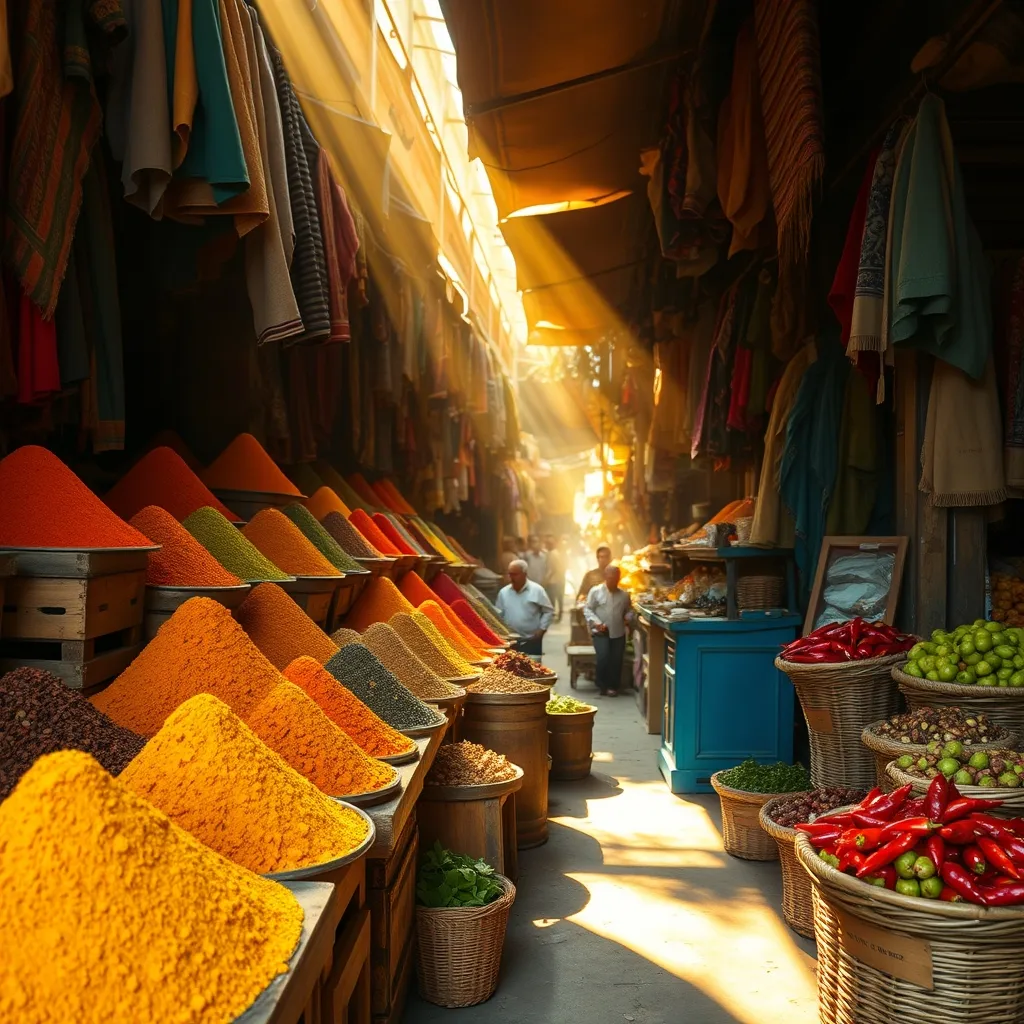
I still remember the first time I walked through the bustling streets of Old Delhi, surrounded by the intoxicating aromas of spices and street food. The smell of sizzling meats, the sound of vendors calling out their daily specials, and the sight of colorful spices on display all combined to create an sensory experience that left an indelible mark on my memory. As I delved deeper into the world of Indian cuisine, I began to appreciate the significance of the spice routes that have shaped the country's flavor legacy. For centuries, India has been a hub of spice trade, with merchants and traders traveling along ancient routes to exchange exotic spices, herbs, and other valuable commodities.
From the southern tip of India to the northern borders, the spice routes have played a crucial role in shaping the country's culinary identity. The spice trade has not only introduced new flavors and ingredients to Indian cuisine but has also influenced the way people cook and perceive food. The use of spices like turmeric, coriander, and cumin has become an integral part of Indian cooking, and their unique blends have given birth to a diverse range of cuisines, from the spicy curries of the south to the rich, creamy kormas of the north. As I explored the spice routes, I discovered that each region has its own distinct flavor profile, shaped by the local availability of spices, the climate, and the cultural traditions of the people.
The Southern Spice Route
The southern spice route, which stretches from the port city of Kochi to the tip of Tamil Nadu, is known for its vibrant and aromatic spices. The region is famous for its use of coconut, tamarind, and chilies, which are combined with spices like cumin, coriander, and turmeric to create a unique flavor profile. The cuisine of the south is characterized by its use of light, fluffy rice, crispy dosas, and spicy sambar, all of which are infused with the flavors of the local spices. As I traveled through the southern states, I was struck by the diversity of spices and ingredients used in the local cuisine, from the fragrant cardamom and cloves of Kerala to the pungent garlic and ginger of Tamil Nadu.
The southern spice route has also been influenced by the ancient trade connections with the Middle East and Southeast Asia. The use of spices like cinnamon, cloves, and star anise, which were introduced by Arab traders, has become an integral part of the southern cuisine. The blend of Indian and foreign spices has given birth to a unique flavor profile that is both familiar and exotic. As I sampled the local cuisine, I was amazed by the complexity and depth of flavors, from the spicy curries of Chettinad to the sweet, creamy desserts of Kerala.
The Northern Spice Route
The northern spice route, which stretches from the Himalayan foothills to the plains of Punjab, is known for its rich, bold flavors. The region is famous for its use of spices like cumin, coriander, and garam masala, which are combined with ingredients like meat, dairy, and nuts to create a hearty, comforting cuisine. The cuisine of the north is characterized by its use of thick, creamy curries, crispy naan bread, and spicy kebabs, all of which are infused with the flavors of the local spices. As I traveled through the northern states, I was struck by the diversity of spices and ingredients used in the local cuisine, from the fragrant saffron and cardamom of Kashmir to the pungent onions and garlic of Punjab.
The northern spice route has also been influenced by the ancient trade connections with Central Asia and the Middle East. The use of spices like cumin, coriander, and sumac, which were introduced by Persian and Arab traders, has become an integral part of the northern cuisine. The blend of Indian and foreign spices has given birth to a unique flavor profile that is both rich and exotic. As I sampled the local cuisine, I was amazed by the complexity and depth of flavors, from the spicy curries of Rajasthan to the sweet, creamy desserts of Uttar Pradesh.
The Legacy of the Spice Routes
As I reflect on my journey along the spice routes of India, I am struck by the profound impact that these ancient trade connections have had on the country's culinary identity. The spice routes have not only introduced new flavors and ingredients to Indian cuisine but have also influenced the way people cook and perceive food. The use of spices like turmeric, coriander, and cumin has become an integral part of Indian cooking, and their unique blends have given birth to a diverse range of cuisines, from the spicy curries of the south to the rich, creamy kormas of the north. As I look to the future, I am excited to see how the spice routes will continue to shape the culinary landscape of India, introducing new flavors and ingredients to the country's already vibrant cuisine.
I explored a related angle in The Flavor Profiles of Fermentation if you want to keep pulling this thread.
For me, the spice routes of India are more than just a culinary phenomenon - they represent a connection to the country's rich cultural heritage. The spice trade has played a significant role in shaping India's history, from the ancient empires of the south to the Mughal courts of the north. As I walked through the bustling streets of Old Delhi, surrounded by the intoxicating aromas of spices and street food, I felt a deep sense of connection to the people and the culture of India. The spice routes are a testament to the country's enduring legacy, a reminder of the power of food to bring people together and transcend cultural boundaries.