The Flavor Profiles of Fermentation
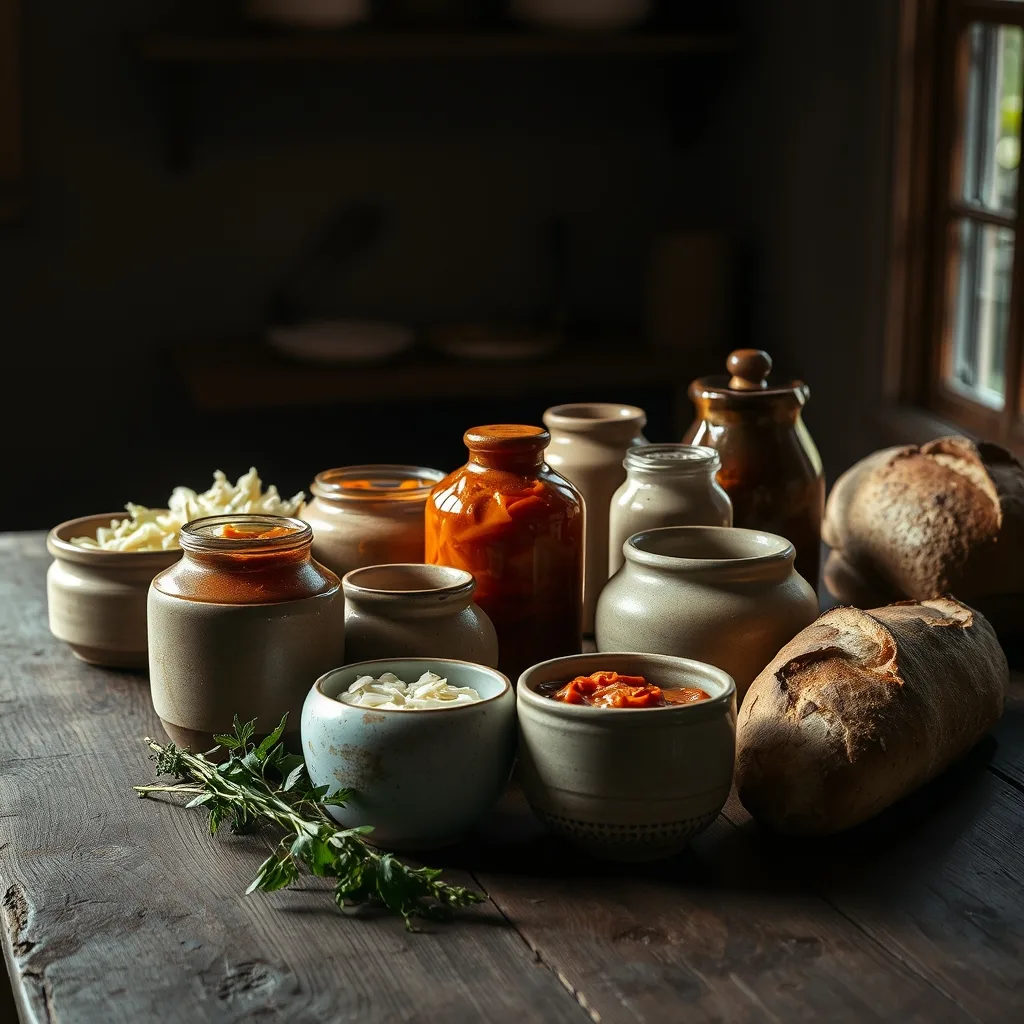
As I delve into the world of fermentation, I'm constantly amazed by the depth and complexity of flavors that emerge from this ancient process. Fermentation is more than just a technique - it's an art form that unlocks the secrets of umami, the fifth taste that elevates dishes from ordinary to extraordinary. At its core, fermentation is a transformation that occurs when microorganisms like bacteria, yeast, or mold break down ingredients, releasing a cascade of compounds that add layers of flavor, texture, and aroma to food.
The science behind fermentation is fascinating, but what really gets me excited is the flavor profiles that emerge from this process. From the tangy zip of sauerkraut to the rich, savory taste of miso paste, fermented foods have a unique ability to add depth and nuance to any dish. Whether you're a seasoned chef or a curious home cook, understanding the flavor profiles of fermentation can take your cooking to the next level. So, let's dive in and explore the incredible world of fermented flavors.
The Building Blocks of Flavor
When it comes to fermentation, the building blocks of flavor are the microorganisms that drive the process. Different types of microorganisms produce different compounds, which in turn create distinct flavor profiles. For example, lactic acid bacteria are responsible for the tangy, sour taste of fermented vegetables like kimchi and sauerkraut. These bacteria feed on the sugars in the vegetables, producing lactic acid as a byproduct, which gives fermented foods their characteristic tang. On the other hand, yeast fermentation produces compounds like esters and aldehydes, which contribute to the fruity, floral flavors of foods like bread and beer.
Another key factor in shaping the flavor profiles of fermentation is the type of ingredient being fermented. Different ingredients contain different types and amounts of sugars, amino acids, and other compounds that microorganisms can feed on. For example, the high sugar content of fruits like grapes and berries makes them ideal for yeast fermentation, resulting in the production of wines and spirits with complex, fruity flavors. In contrast, the high protein content of ingredients like soybeans and fish makes them well-suited for bacterial fermentation, resulting in the production of foods like miso and fish sauce with rich, savory flavors.
Regional Flavor Profiles
One of the most interesting aspects of fermentation is the way it reflects regional and cultural traditions. Different parts of the world have developed their own unique fermentation techniques and flavor profiles, often based on local ingredients and microorganisms. For example, the fermented foods of Korea, like kimchi and gochujang, are characterized by their bold, spicy flavors, which are shaped by the use of chili peppers and other local ingredients. In contrast, the fermented foods of Japan, like miso and soy sauce, are known for their rich, savory flavors, which are developed through the use of koji, a type of fungus that breaks down proteins and carbohydrates.
In Europe, the fermentation tradition is centered around foods like sauerkraut, cheese, and bread, which are often made using lactic acid bacteria and yeast. These foods have a more subtle, nuanced flavor profile than some of the bolder fermented foods of Asia, but they are no less delicious and complex. Whether you're exploring the fermented foods of a particular region or creating your own unique flavor profiles, the world of fermentation is full of endless possibilities and discoveries.
Experimenting with Fermentation
So, how can you start experimenting with fermentation and unlocking the secrets of umami in your own kitchen? The first step is to choose an ingredient and a fermentation method that interests you. This could be as simple as making a batch of sauerkraut or kimchi, or as complex as brewing a batch of beer or sake. Once you've chosen your ingredient and method, the key is to be patient and observe the fermentation process as it unfolds. Take notes, taste regularly, and adjust your techniques as needed to develop the flavor profiles you're looking for.
Another important aspect of experimenting with fermentation is understanding the role of time and temperature in shaping flavor profiles. Different microorganisms thrive in different temperature ranges, and the length of time that ingredients are fermented can greatly impact the final flavor and texture. For example, a shorter fermentation time may result in a brighter, more acidic flavor, while a longer fermentation time may produce a richer, more complex flavor. By controlling these variables and experimenting with different techniques, you can create a wide range of unique flavor profiles and develop your own signature fermentation style.
I explored a related angle in Rediscovering Heirloom Recipes if you want to keep pulling this thread.
As I continue to explore the world of fermentation, I'm constantly amazed by the depth and complexity of flavors that emerge from this ancient process. Whether you're a seasoned chef or a curious home cook, I encourage you to join me on this journey and discover the incredible flavor profiles that fermentation has to offer. With patience, practice, and a willingness to experiment, you can unlock the secrets of umami and take your cooking to new and exciting heights.