Flavors of the Silk Road
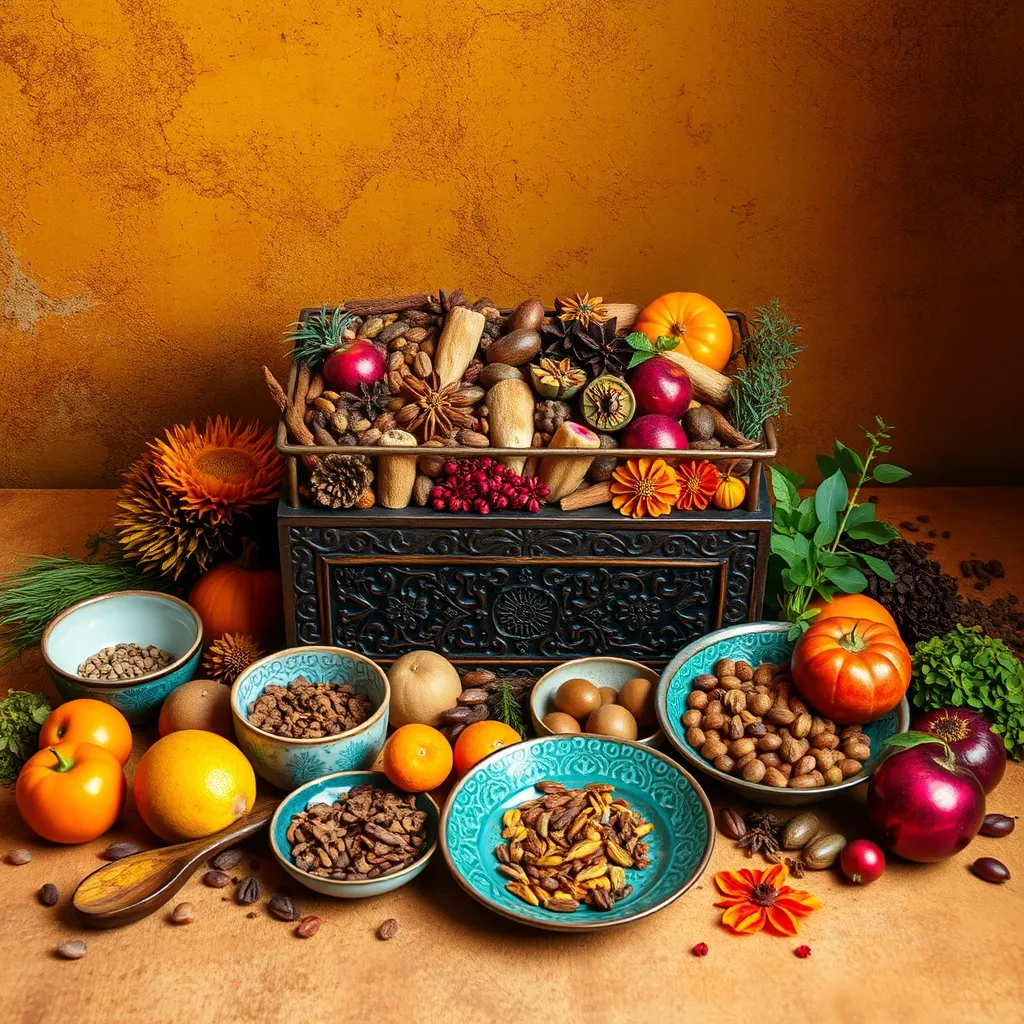
I've always been fascinated by the ancient trade routes that connected East and West, and the flavors that traveled along with them. The Silk Road, a network of routes that spanned over 4,000 miles, was more than just a means of exchanging goods - it was a conduit for the exchange of ideas, cultures, and cuisines. As I delve into the world of Silk Road cuisine, I'm struck by the incredible diversity of flavors that emerged from this crossroads of civilizations. From the pungent aroma of Chinese star anise to the warm, golden tones of Indian turmeric, the spices of the Silk Road are a testament to the power of trade and cultural exchange.
The Spice Routes of Old
The Silk Road was a complex network of routes that connected China with the Mediterranean, passing through present-day India, Pakistan, Afghanistan, and the Middle East. Along these routes, merchants and traders carried exotic spices, teas, and other precious commodities that were highly prized by royal courts and wealthy merchants. The spices that traveled along the Silk Road were not just used for flavoring food - they were also used for medicinal purposes, as offerings to the gods, and as a symbol of wealth and status. Cinnamon, cloves, and pepper were among the most valuable spices, and their trade was tightly controlled by powerful merchant guilds and royal monopolies.
As I explore the flavors of the Silk Road, I'm struck by the way that different cultures adapted and transformed these spices to create their own unique cuisines. In China, star anise and Szechuan pepper were used to create bold, numbing flavors, while in India, turmeric and cumin were used to create rich, aromatic curries. In the Middle East, sumac and pomegranate molasses were used to add a tangy, fruity flavor to dishes like kebabs and stews. Each of these cuisines has its own unique character, but they all share a common thread - a love of bold, aromatic flavors that reflect the diversity and richness of the Silk Road.
Flavors of the Middle East
The Middle East was a critical hub in the Silk Road, with merchants and traders coming from all over to buy and sell spices, textiles, and other precious commodities. The cuisine of the Middle East reflects this diversity, with a rich array of flavors and ingredients that reflect the region's strategic location at the crossroads of Europe, Asia, and Africa. Sumac, a tangy, crimson-colored spice, is a staple of Middle Eastern cuisine, and is often used to add a burst of flavor to dishes like kebabs, stews, and salads. Pomegranate molasses, made from the juice of pomegranates, is another key ingredient, and is often used to add a sweet, fruity flavor to dishes like falafel and shawarma.
One of the most iconic dishes of the Middle East is the Persian stew, a rich, aromatic dish made with lamb, herbs, and spices. The stew is slow-cooked in a clay pot, which allows the flavors to meld together and the meat to become tender and fall-apart. The result is a dish that is both familiar and exotic, with a deep, satisfying flavor that reflects the diversity and richness of the Silk Road. As I sit down to a steaming bowl of Persian stew, I'm struck by the way that the flavors transport me to another time and place - a time of merchants and traders, of exotic spices and precious commodities.
A Legacy of Flavor
Today, the flavors of the Silk Road continue to inspire and delight us, whether we're cooking up a storm in our own kitchens or exploring the cuisines of distant lands. The legacy of the Silk Road can be seen in the diversity of global cuisine, from the spicy curries of India to the fragrant stir-fries of China. It can be seen in the way that different cultures have adapted and transformed the spices and ingredients of the Silk Road to create their own unique cuisines. And it can be seen in the way that food continues to bring us together, across cultures and borders, in a shared love of flavor and hospitality.
I explored a related angle in Saffron Trails: Uncovering Persian Flavors if you want to keep pulling this thread.
As I finish my journey through the flavors of the Silk Road, I'm left with a sense of wonder and awe at the incredible diversity and richness of global cuisine. The Silk Road may be a relic of the past, but its legacy lives on in the flavors and ingredients that we enjoy today. Whether we're cooking up a storm in our own kitchens or exploring the cuisines of distant lands, we're all part of a larger story - a story of trade and cultural exchange, of flavors and ingredients that reflect the diversity and richness of human experience. And that's a story that I'm eager to continue exploring, one delicious dish at a time.