Forgotten Flavors of the Andes
I still remember the first time I tasted the bold flavors of the Andes. I was traveling through Peru, and a local chef introduced me to a traditional dish made with a type of potato I had never seen before. The flavor was earthy and rich, with a depth that was both familiar and exotic. As I delved deeper into the cuisine of the Andes, I discovered a world of forgotten flavors that were waiting to be uncovered. From the spicy kick of aji amarillo peppers to the nutty taste of quinoa, the Andes are home to a diverse array of ingredients that are just beginning to gain recognition in the culinary world.
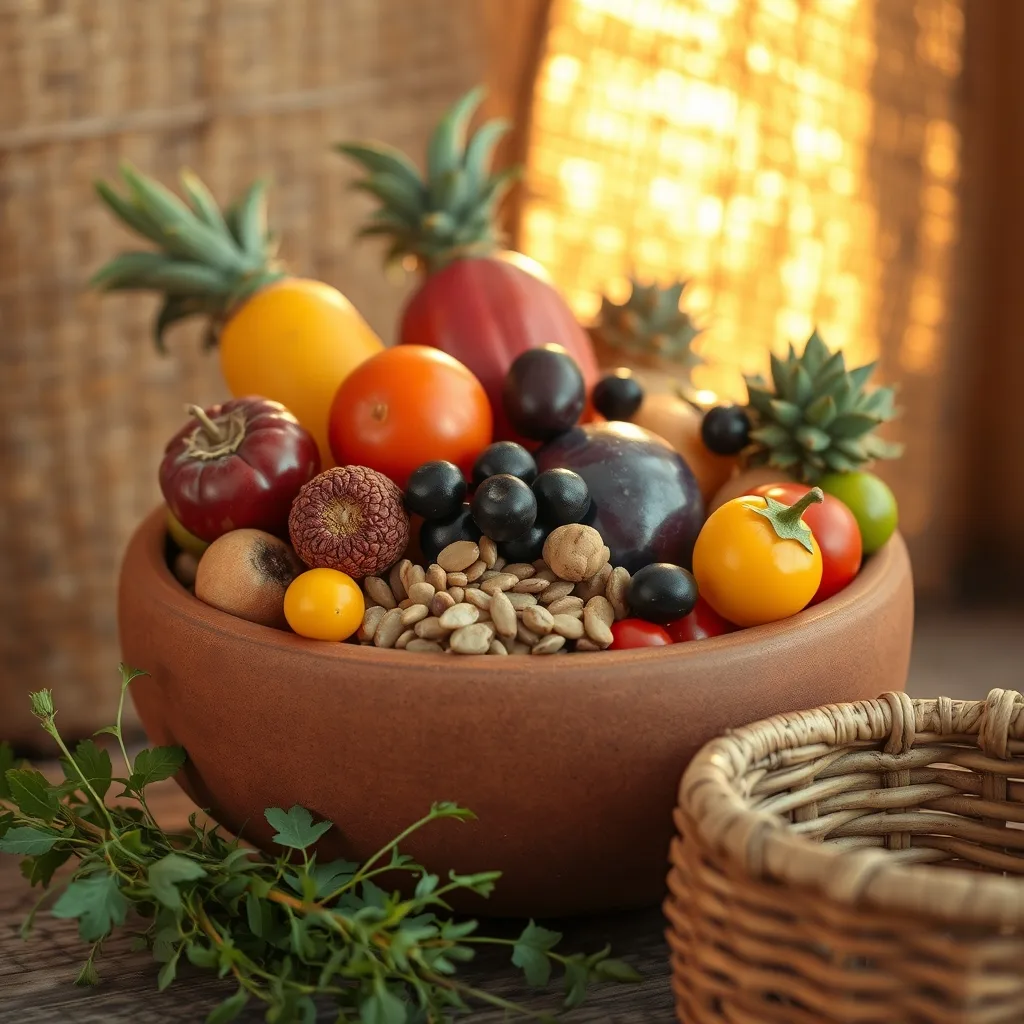
One of the most fascinating aspects of Andean cuisine is the use of native ingredients that have been cultivated for thousands of years. The Incas were skilled farmers who developed a sophisticated system of agriculture that allowed them to thrive in the challenging climate of the Andes. They cultivated crops such as maize, potatoes, and quinoa, which were not only nutritious but also played a central role in their spiritual and cultural practices. Today, these ingredients continue to be an essential part of Andean cuisine, and are often combined with other native ingredients such as aji amarillo peppers, huacatay, and papalisa to create dishes that are both flavorful and nutritious.
The Flavor of Tradition
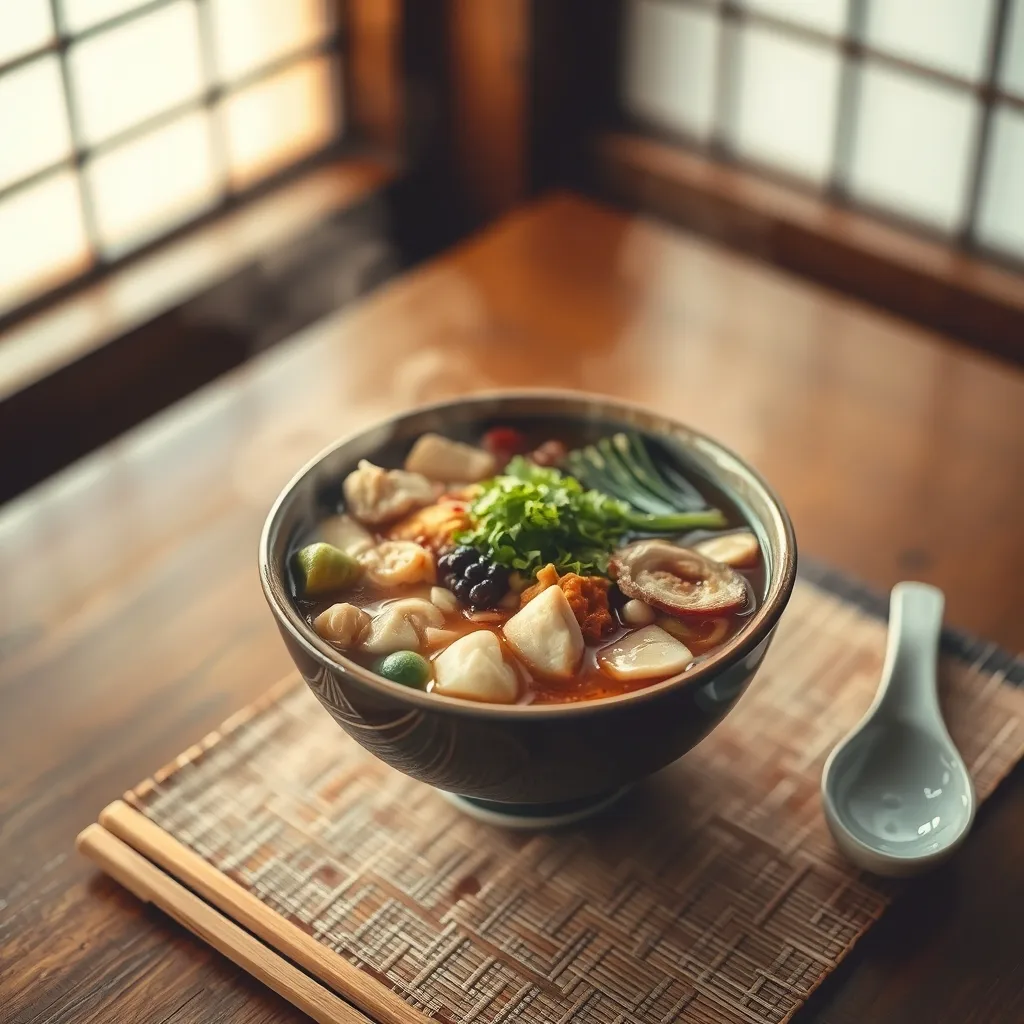
As I traveled through the Andes, I was struck by the importance of tradition in shaping the local cuisine. In many communities, cooking is not just about preparing a meal, but about preserving cultural heritage and passing down recipes from one generation to the next. I had the opportunity to visit a traditional Andean kitchen, where I watched as a local chef prepared a dish made with native ingredients that had been passed down through her family for generations. The dish was a type of stew made with potatoes, maize, and aji amarillo peppers, and it was served with a side of quinoa and papalisa. The flavors were bold and complex, with a depth that was both comforting and exotic.
Despite the richness and diversity of Andean cuisine, many of its traditional ingredients are still unknown outside of the region. This is due in part to the fact that many of these ingredients are difficult to cultivate and harvest, and are often not well-suited to modern agricultural practices. However, there is a growing movement to preserve and promote the traditional cuisine of the Andes, and to recognize the importance of native ingredients in shaping the region's culinary identity. This movement is not only about preserving cultural heritage, but also about promoting sustainable agriculture and supporting local communities.
Uncovering Hidden Ingredients
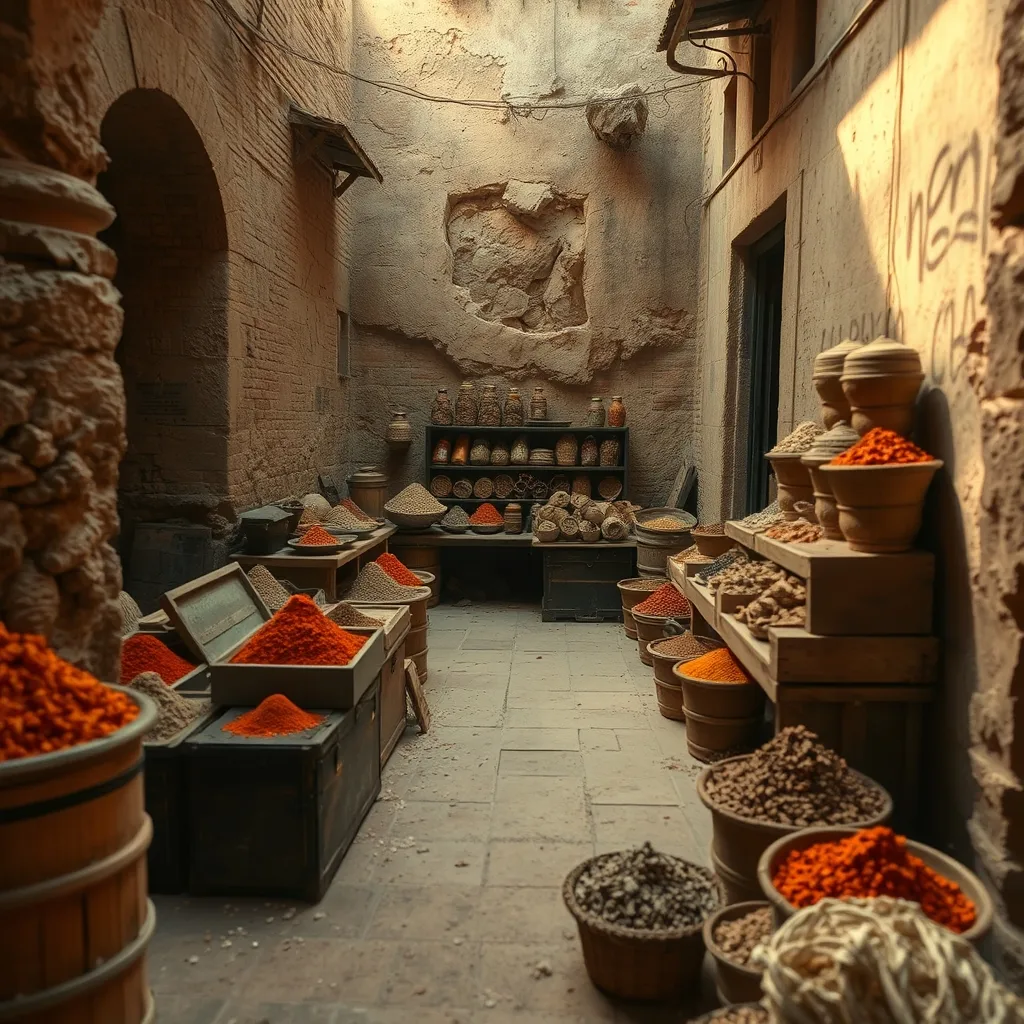
One of the most exciting aspects of exploring Andean cuisine is the opportunity to discover new and exotic ingredients. From the spicy kick of aji amarillo peppers to the nutty taste of quinoa, the Andes are home to a wide range of native ingredients that are just beginning to gain recognition in the culinary world. I had the opportunity to visit a local market, where I sampled a variety of traditional dishes made with ingredients such as papalisa, huacatay, and kiwicha. Each of these ingredients had a unique flavor and texture, and they added a new dimension to the dishes in which they were used.
As I continued to explore the cuisine of the Andes, I began to appreciate the importance of preserving traditional ingredients and cooking techniques. In many communities, the traditional cuisine is not just a source of nutrition, but also a way of connecting with the past and preserving cultural heritage. By promoting and preserving the traditional cuisine of the Andes, we can help to support local communities and promote sustainable agriculture, while also introducing new and exciting ingredients to the culinary world.
A New Era for Andean Cuisine
Today, the cuisine of the Andes is experiencing a renaissance of sorts, as chefs and foodies from around the world begin to discover the bold flavors and exotic ingredients of the region. From the spicy kick of aji amarillo peppers to the nutty taste of quinoa, the Andes are home to a diverse array of ingredients that are just beginning to gain recognition in the culinary world. As the demand for these ingredients grows, there is a new opportunity for local communities to promote and preserve their traditional cuisine, while also supporting sustainable agriculture and promoting cultural heritage.
I explored a related angle in The Umami Paradox if you want to keep pulling this thread.
As I reflect on my journey through the Andes, I am reminded of the importance of preserving traditional ingredients and cooking techniques. The cuisine of the Andes is not just a source of nutrition, but also a way of connecting with the past and preserving cultural heritage. By promoting and preserving the traditional cuisine of the Andes, we can help to support local communities and promote sustainable agriculture, while also introducing new and exciting ingredients to the culinary world. The forgotten flavors of the Andes are waiting to be uncovered, and I have no doubt that they will play an increasingly important role in shaping the culinary landscape of the future.