Forgotten Spice Routes
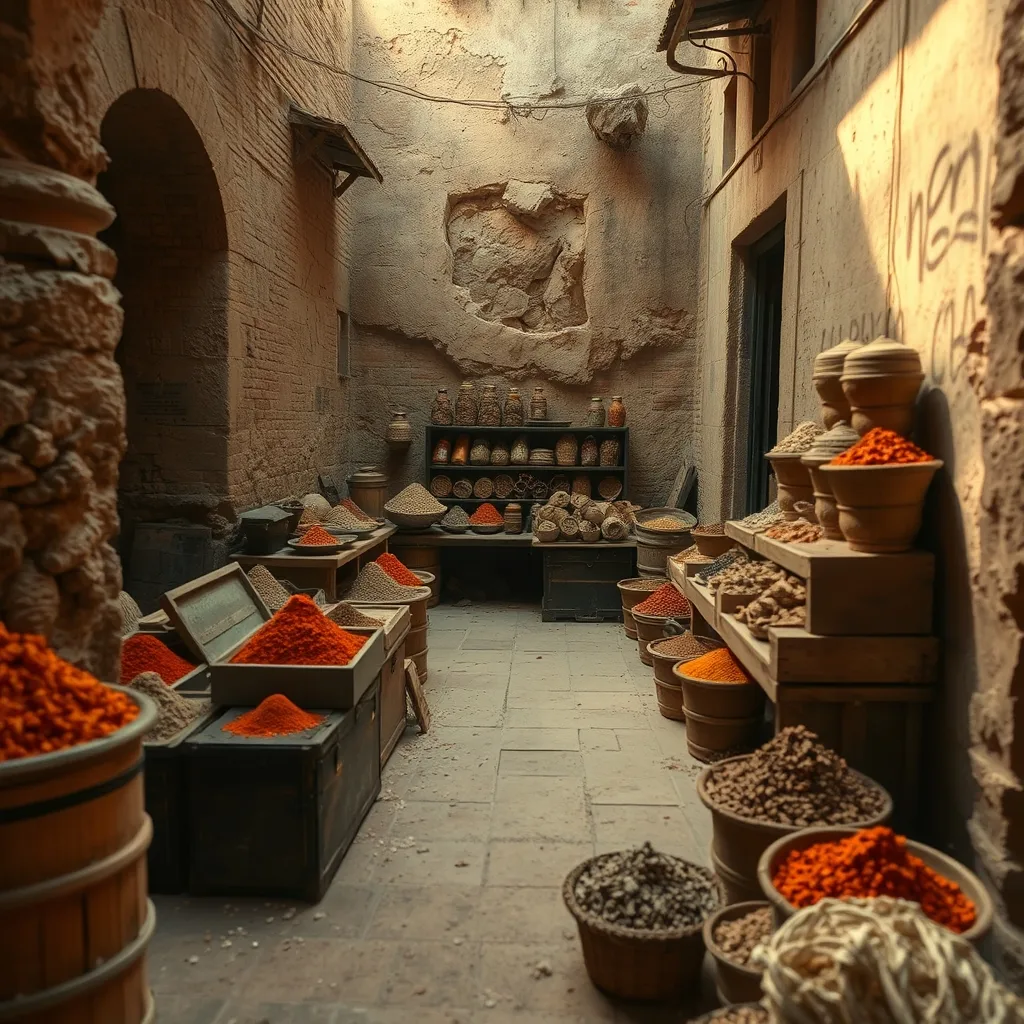
I still remember the day I stumbled upon an old, tattered map in my grandfather's attic. It was a map of the ancient spice routes, the paths that connected the East and the West through the exchange of exotic spices, herbs, and other precious commodities. As I unfolded the map, I was transported to a world of vibrant colors, enticing aromas, and bold flavors. The spice routes, which once played a crucial role in shaping the cuisines of various cultures, have largely been forgotten in modern times. However, the legacy of these routes continues to influence the way we cook and the flavors we savor today.
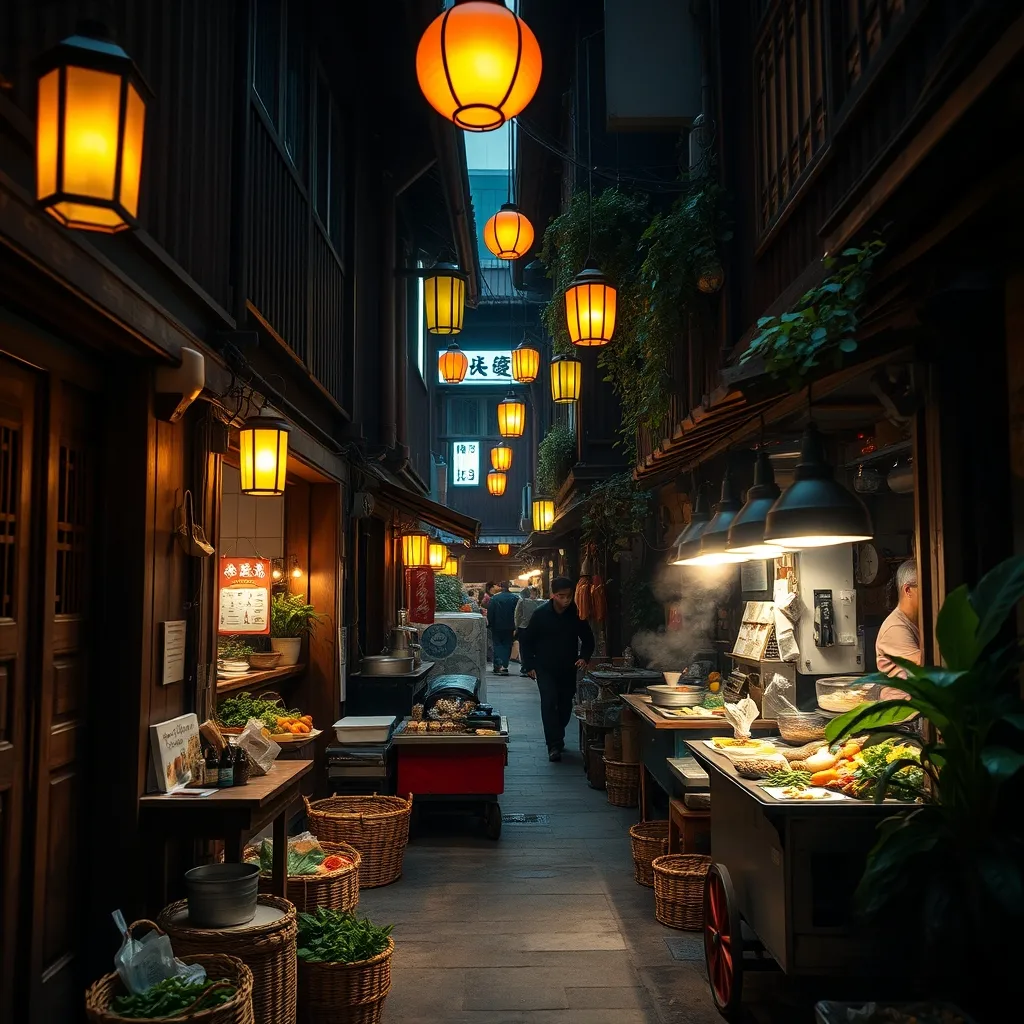
As I delved deeper into the history of the spice routes, I discovered that they were not just about the exchange of goods, but also about the exchange of ideas, cultures, and traditions. The spice routes connected the ancient civilizations of China, India, the Middle East, and the Mediterranean, creating a rich tapestry of flavors and cuisines. From the pungent aroma of Chinese star anise to the warm, spicy flavor of Indian cumin, each spice and herb told a story of its own, of the people who cultivated it, traded it, and used it to create delicious dishes.
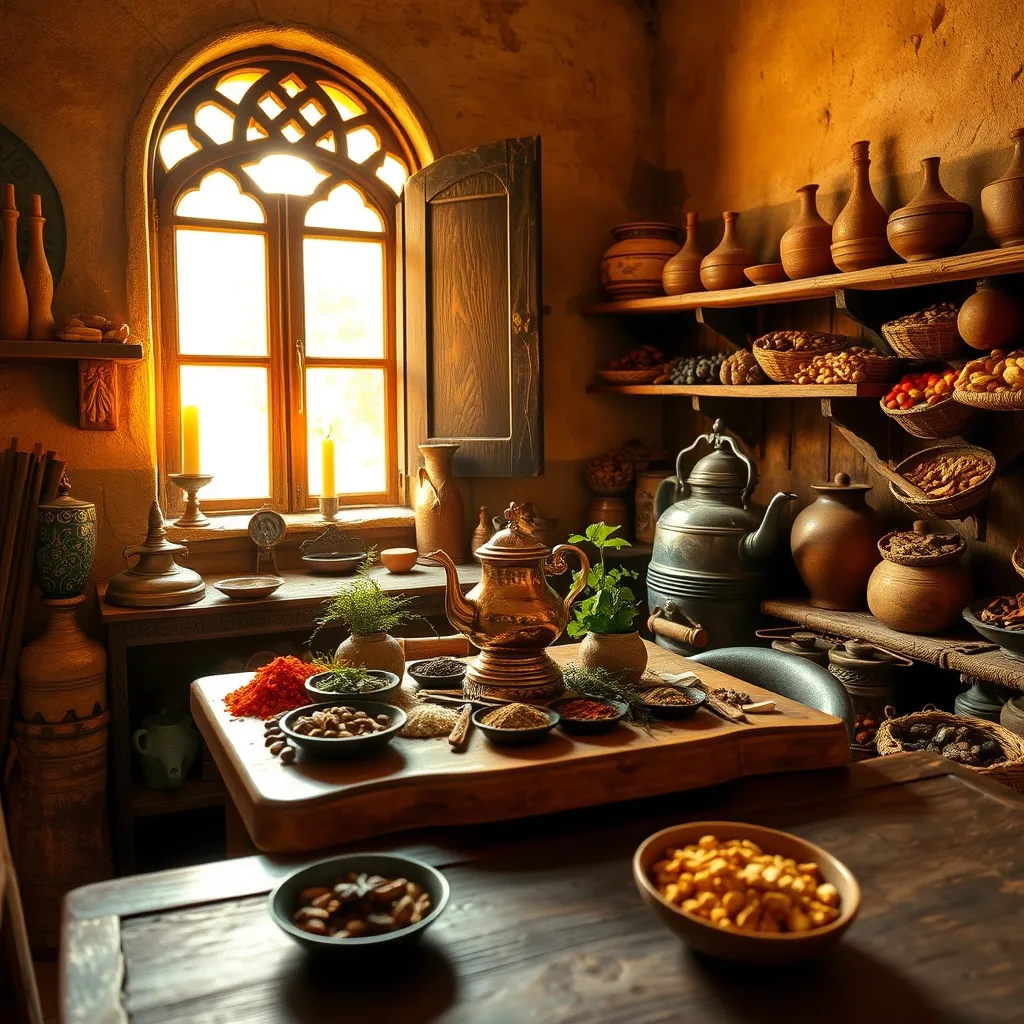
The art of blending spices, which was perfected by the ancient traders and cooks, is still an essential part of many cuisines today. Whether it's the intricate mix of spices in a Indian curry or the simple, yet elegant blend of herbs in a Mediterranean salad, the combination of flavors and aromas is what makes a dish truly unforgettable. As I explored the forgotten spice routes, I realized that the key to unlocking the secrets of these ancient cuisines lay in the art of blending spices, and the willingness to experiment and innovate.
The Flavor of History
One of the most fascinating aspects of the spice routes is the way they influenced the development of local cuisines. In the Middle East, for example, the abundance of spices like sumac, za'atar, and cumin gave rise to a unique flavor profile that is still characteristic of the region's cuisine today. The use of these spices in dishes like kebabs, stews, and salads created a distinct flavor identity that is instantly recognizable. Similarly, in India, the blend of spices like turmeric, coriander, and cumin created a flavor profile that is both complex and aromatic, and is still the hallmark of Indian cuisine.
The spice routes also played a significant role in shaping the cuisine of Europe, particularly in the Mediterranean region. The introduction of spices like black pepper, cinnamon, and cloves from Asia and the Middle East revolutionized the way Europeans cooked, and gave rise to a new wave of culinary innovation. The use of these spices in dishes like stews, soups, and braises created a rich and flavorful cuisine that is still enjoyed today.
As I explored the forgotten spice routes, I realized that the flavors and aromas of these ancient cuisines are still alive and well, waiting to be rediscovered and reinterpreted. Whether it's the bold flavors of Indian cuisine or the subtle nuances of Mediterranean cooking, the legacy of the spice routes continues to inspire and influence the way we cook and the flavors we enjoy today.
Rediscovering the Flavors
So, how can we rediscover the flavors of the forgotten spice routes? The answer lies in experimentation and innovation. By combining traditional spices and herbs with modern ingredients and cooking techniques, we can create new and exciting flavor profiles that are both familiar and innovative. For example, the use of Asian spices like ginger and galangal in modern European cuisine has given rise to a new wave of fusion cooking that is both bold and exciting.
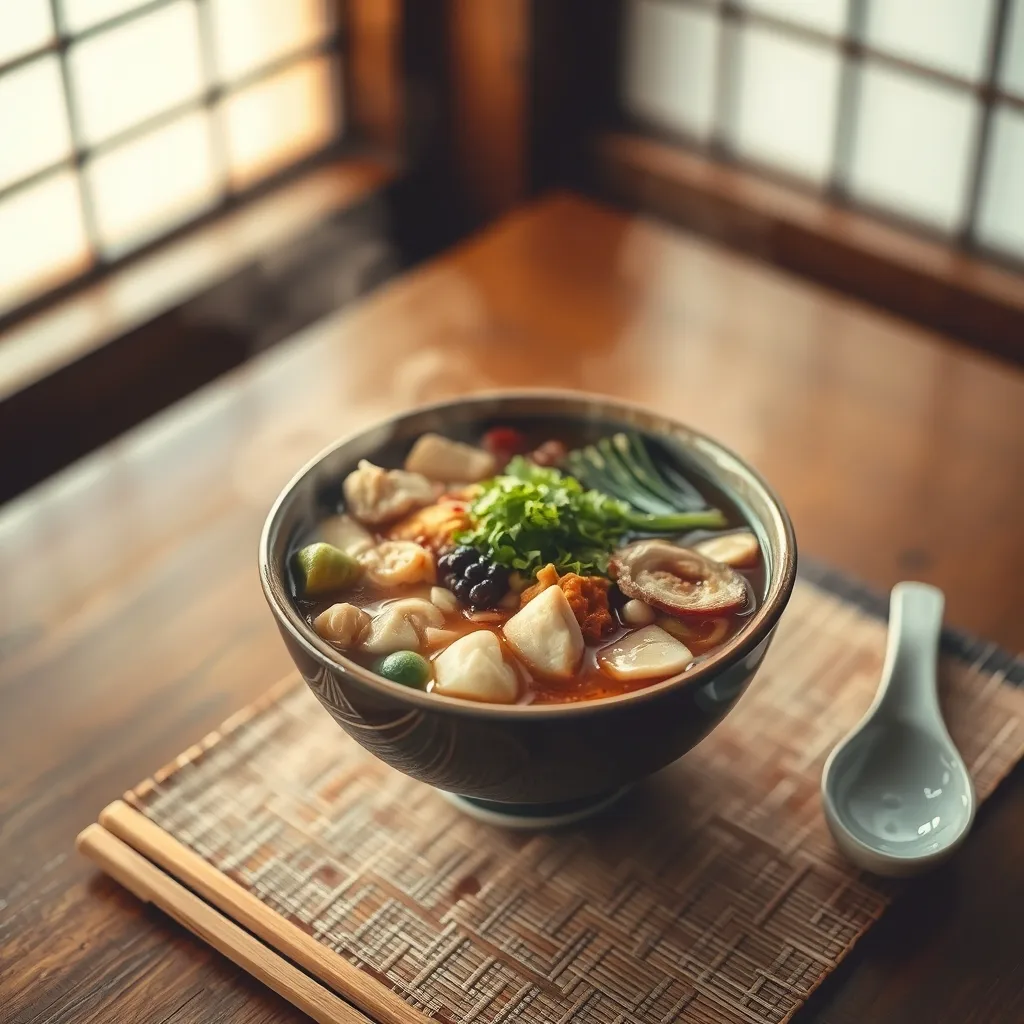
Another way to rediscover the flavors of the spice routes is to explore the traditional cuisines of the regions that were connected by these routes. By cooking and tasting the dishes of these regions, we can gain a deeper understanding of the flavors and aromas that were exchanged along the spice routes. Whether it's the spicy kick of Korean kimchi or the rich flavor of Moroccan tagine, each dish tells a story of its own, of the people who created it and the spices and herbs that were used to make it.
As I conclude my journey along the forgotten spice routes, I am reminded of the power of food to connect us to our past, our culture, and our traditions. The flavors and aromas of these ancient cuisines are a testament to the ingenuity and creativity of our ancestors, who used spices and herbs to create delicious dishes that brought people together. By rediscovering the flavors of the spice routes, we can reconnect with our culinary heritage and create a new wave of innovation and experimentation in the kitchen.
A Legacy of Flavor
The legacy of the spice routes is a rich and complex one, full of flavors, aromas, and stories that continue to inspire and influence us today. As we look to the future of cuisine, it's essential that we remember and honor the past, by preserving the traditional spices, herbs, and cooking techniques that were used along the spice routes. By doing so, we can ensure that the flavors and aromas of these ancient cuisines continue to thrive and evolve, inspiring new generations of cooks and food lovers to explore and innovate.
The forgotten spice routes may be a relic of the past, but their impact on our culinary landscape is still felt today. As we continue to explore and discover new flavors and ingredients, we must remember the debt we owe to the ancient traders and cooks who paved the way for us. By honoring their legacy and preserving their traditions, we can create a brighter, more flavorful future for cuisine, one that is rooted in the past but looks to the future with excitement and anticipation.
I explored a related angle in The Umami Paradox if you want to keep pulling this thread.
In the end, the story of the spice routes is a story of connection, of people and cultures coming together through the exchange of spices, herbs, and other precious commodities. It's a story that reminds us of the power of food to bring us together, to create community and foster understanding. As we rediscover the flavors of the forgotten spice routes, we are reminded of the importance of preserving our culinary heritage, and of the incredible legacy of flavor that has been left to us by our ancestors.