Saffron: The Golden Spice
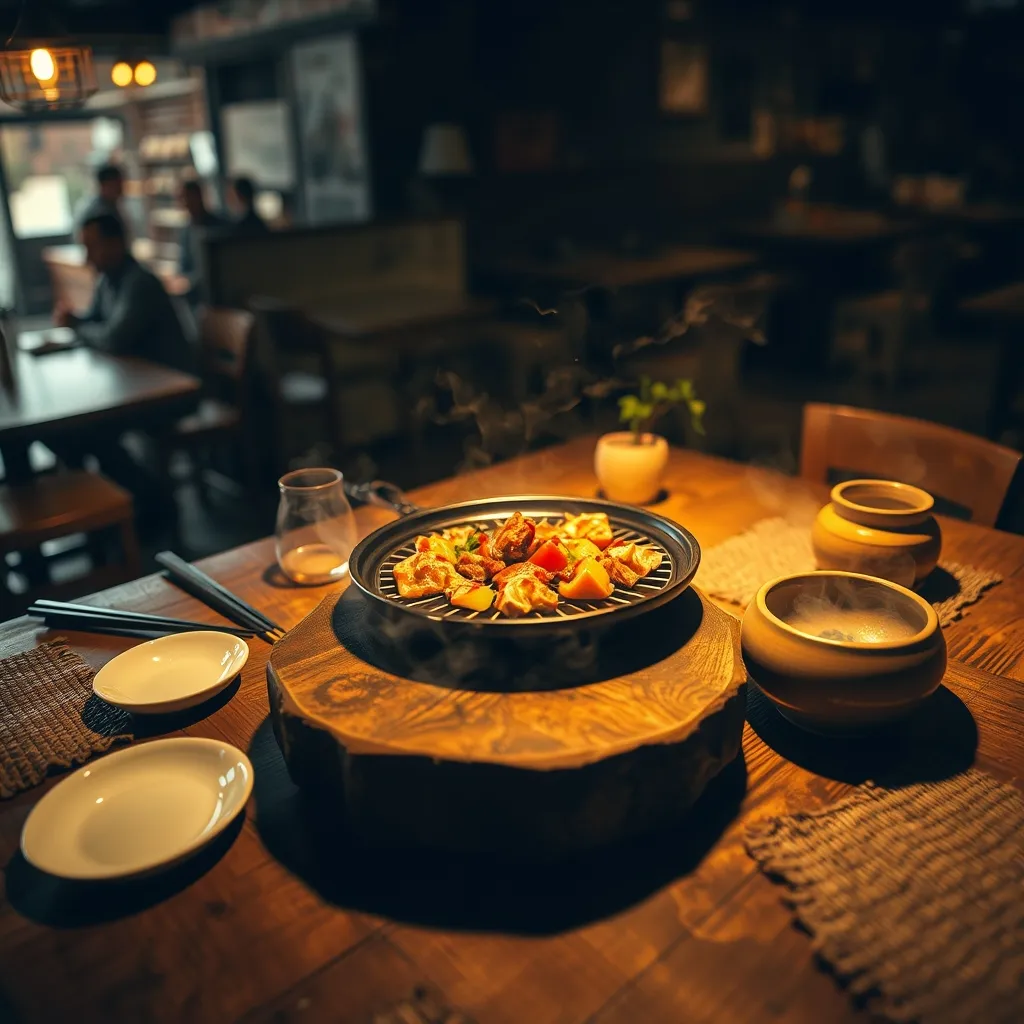
I still remember the first time I tasted saffron-infused paella at a small restaurant in Spain. The aroma was intoxicating, and the flavor was like nothing I'd ever experienced before. It was as if the dish had been elevated to a whole new level, with the saffron adding a depth and richness that was hard to put into words. From that moment on, I was hooked on the golden spice, and I've spent years learning about its history, cultivation, and uses in the kitchen.
Saffron is derived from the dried stigmas of the saffron crocus flower, which is native to the Mediterranean region. It's a labor-intensive process to harvest the stigmas, which is why saffron is often referred to as "red gold" due to its high value. The best quality saffron is said to come from La Mancha in Spain, where the dry climate and rich soil provide ideal conditions for the crocus flowers to thrive. Other notable producers of high-quality saffron include Italy, Greece, and Iran.
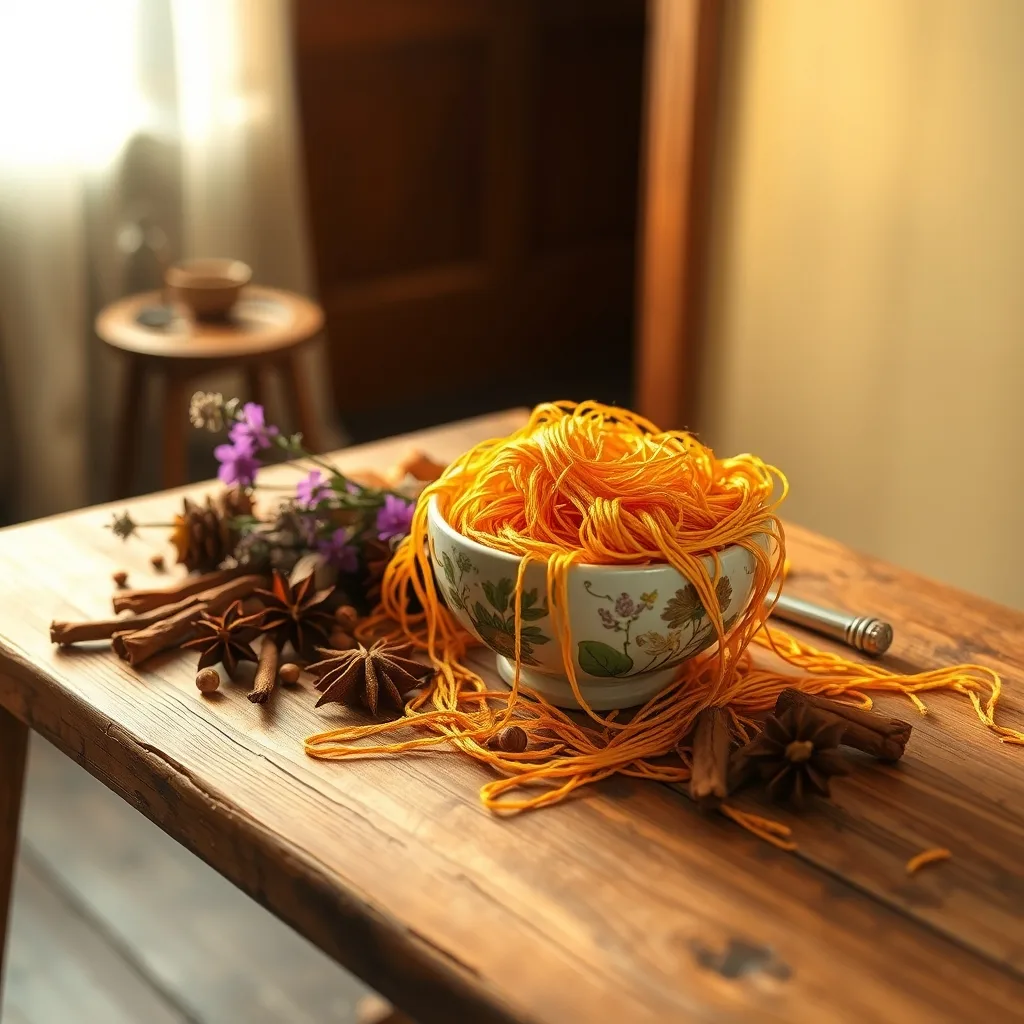
One of the unique characteristics of saffron is its ability to add flavor, aroma, and color to dishes. The vibrant yellow-orange color of saffron is due to the presence of a carotenoid pigment called crocin, which is also responsible for its distinctive flavor and aroma. Saffron is often used in small quantities, as it can be quite potent, and is typically added towards the end of the cooking process to preserve its delicate flavor and aroma.
The History of Saffron
Saffron has been used for centuries in various cultures, not only as a spice but also as a dye, a medicine, and even as a form of currency. The ancient Greeks and Romans used saffron to flavor and color their food, as well as to dye their clothes and hair. In the Middle Ages, saffron was used to treat a range of ailments, from indigestion to insomnia, and was also used as a form of payment in some parts of Europe. Today, saffron is still used in traditional medicine in many parts of the world, and is also prized for its culinary and cultural significance.
In many Asian cultures, saffron is considered a symbol of wealth and prosperity, and is often used in traditional dishes such as biryani and pilaf. In India, saffron is used to make a popular dessert called kulfi, which is a type of ice cream flavored with saffron, cardamom, and pistachios. In the Middle East, saffron is used to make a variety of dishes, including kebabs, stews, and rice dishes, and is often served at special occasions such as weddings and holidays.
Cooking with Saffron
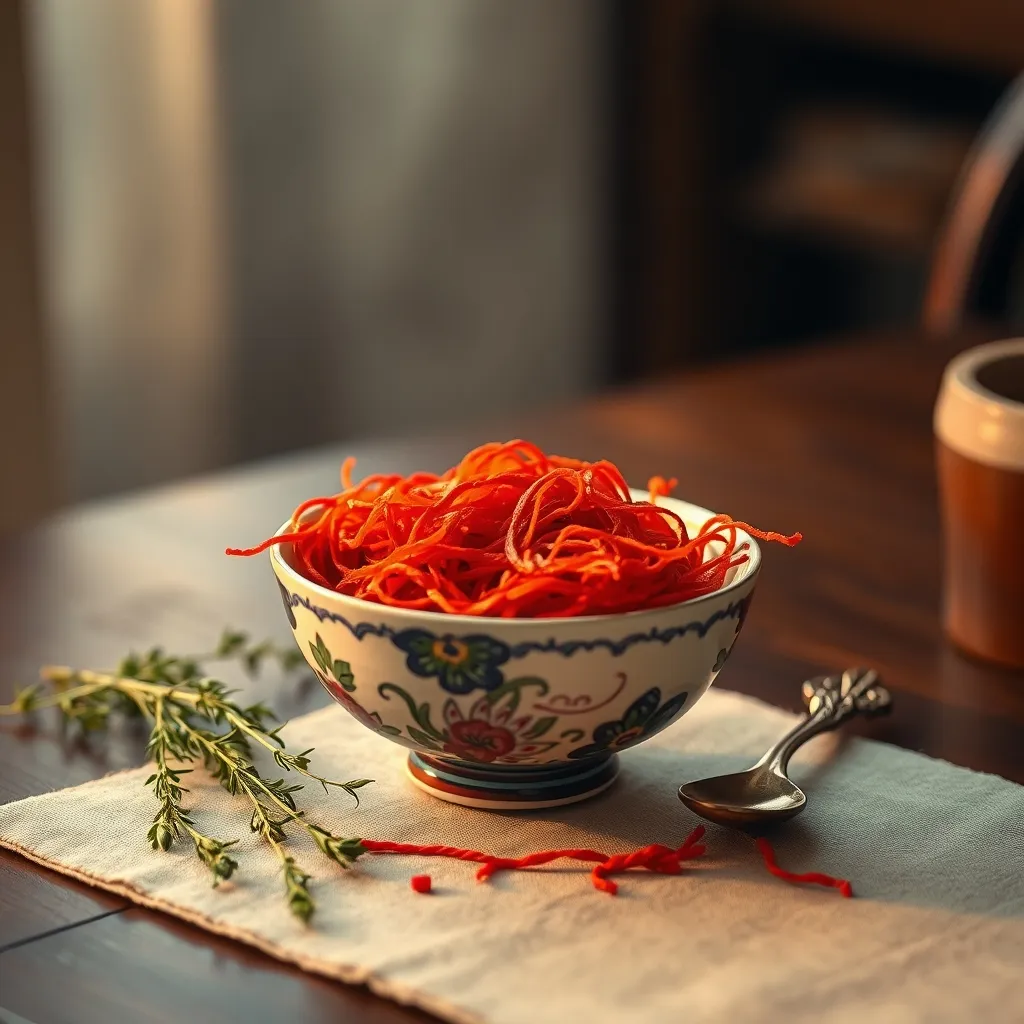
Cooking with saffron can be a bit intimidating at first, but with a few simple tips and tricks, you can unlock its full potential. One of the most important things to keep in mind when cooking with saffron is to use high-quality threads, as they will have a more intense flavor and aroma than lower-quality threads. It's also important to soak the saffron threads in a little hot water before adding them to your dish, as this will help to release their flavor and color.
Some of my favorite dishes to make with saffron include paella, risotto, and bouillabaisse, a traditional French fish stew. Saffron pairs well with a range of ingredients, including seafood, meat, and vegetables, and can be used to add flavor and color to soups, stews, and braises. It's also a key ingredient in many traditional desserts, such as crème brûlée and flan, and can be used to make a variety of sweet treats, including cakes, cookies, and ice cream.
Conclusion
In conclusion, saffron is a truly unique and versatile spice that can add flavor, aroma, and color to a wide range of dishes. Whether you're making a traditional paella or a modern dessert, saffron is sure to elevate your cooking to a whole new level. With its rich history, cultural significance, and culinary uses, saffron is a spice that is definitely worth getting to know. So why not give it a try? Unlock saffron's secrets and discover a whole new world of flavor and aroma.
I explored a related angle in Flavors of Street Food if you want to keep pulling this thread.
As I look back on my journey with saffron, I'm reminded of the power of food to bring people together and to evoke emotions and memories. Saffron is more than just a spice - it's a symbol of tradition, culture, and community. Whether you're cooking for yourself or for others, saffron is sure to add a touch of warmth and hospitality to your dishes. So go ahead, give saffron a try, and experience the magic of the golden spice for yourself.