Saffron: The Golden Thread
I still remember the first time I tasted saffron-infused risotto at a small Italian restaurant in the countryside. The dish was nothing short of magical, with the subtle earthy and floral notes of saffron elevating the creamy Arborio rice to new heights. From that moment on, I was hooked on unlocking saffron's flavor and exploring its potential in various cuisines. As I delved deeper into the world of saffron, I discovered that this golden thread has been weaving its way through the fabric of human culture for thousands of years, leaving an indelible mark on our culinary traditions.
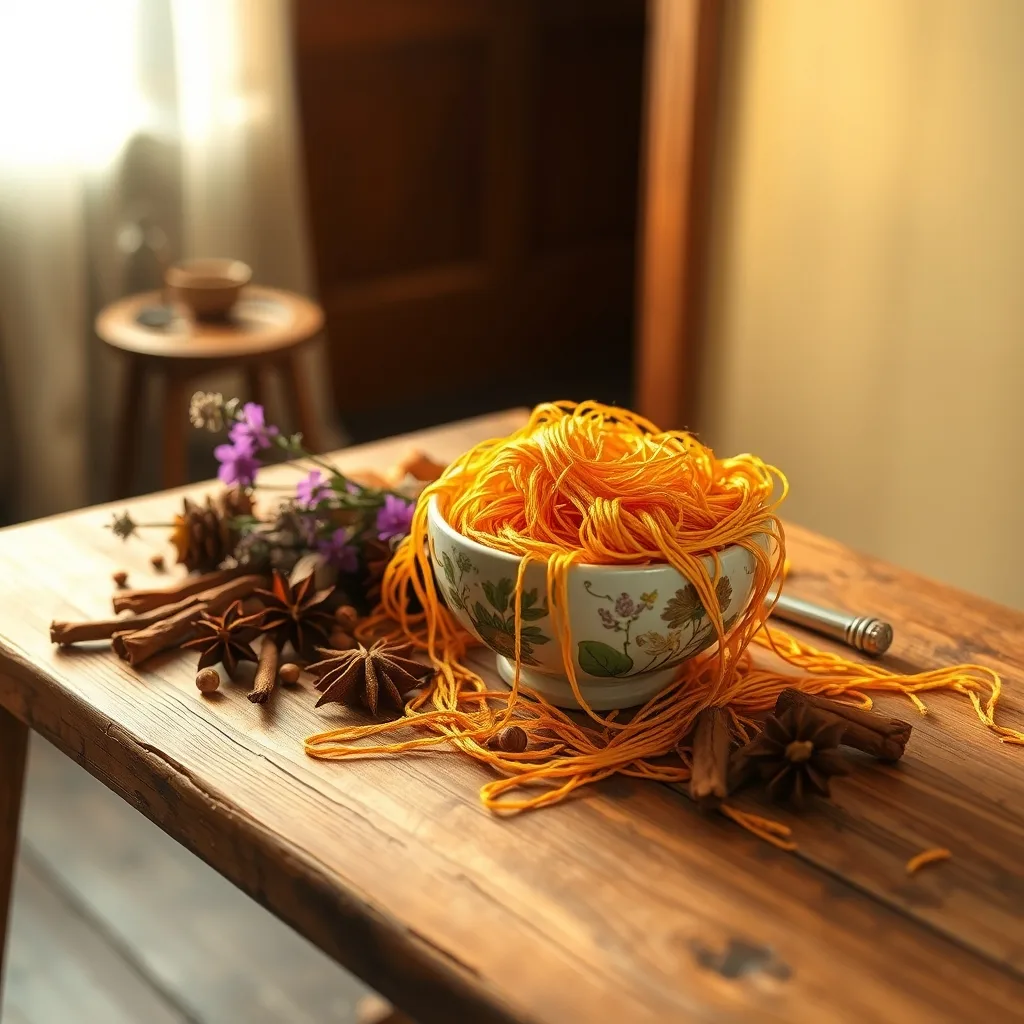
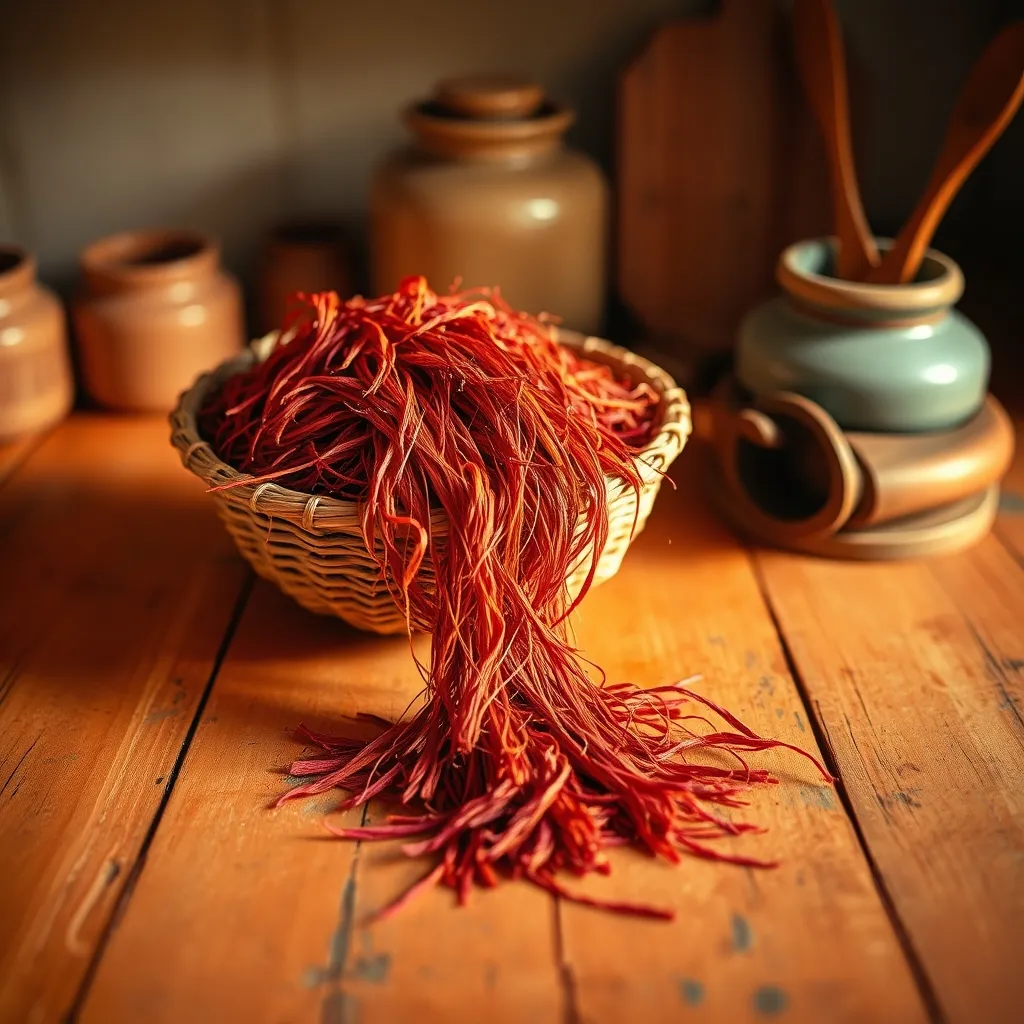
Saffron is derived from the dried stigmas of the saffron crocus flower, which is native to the Mediterranean region. The process of harvesting saffron is labor-intensive and time-consuming, as each flower must be carefully hand-picked and the stigmas extracted and dried. This painstaking process is what makes saffron one of the most expensive spices in the world, but trust me, it's worth every penny. The unique flavor and aroma of saffron are due to the presence of a pigment called crocin, which is responsible for its distinctive yellow-orange color and subtle earthy and floral notes.
The History of Saffron
Saffron has been used in cooking for over 3,000 years, with ancient civilizations such as the Egyptians, Greeks, and Romans prized it for its flavor, aroma, and medicinal properties. In ancient Greece, saffron was used to flavor and color food, as well as to create elaborate dyes for clothing and textiles. The Romans, on the other hand, used saffron to flavor their famous dish, garum, a fermented fish sauce that was a staple of the Roman diet. As trade and cultural exchange flourished along the Silk Road, saffron spread to other parts of the world, including the Middle East, North Africa, and Asia, where it became an integral part of local cuisines.
In many Asian cultures, saffron is considered a symbol of wealth and prosperity, and is often used in traditional dishes such as biryani, paella, and bouillabaisse. In India, saffron is an essential ingredient in many curries and stews, where it adds a subtle earthy flavor and a vibrant yellow color. In the Middle East, saffron is used to flavor and color rice dishes, such as pilaf and kebabs, while in North Africa, it's a key ingredient in traditional dishes such as tagines and couscous.
Cooking with Saffron
Cooking with saffron requires a bit of finesse, as it can be easy to overpower a dish with its strong flavor and aroma. The key is to use it sparingly and to pair it with other ingredients that complement its unique flavor profile. One of my favorite ways to use saffron is in a traditional Spanish paella, where it's combined with sautéed onions, garlic, and tomatoes, as well as succulent seafood and chorizo. I also love using saffron to flavor and color risottos, where it adds a creamy and indulgent texture to the dish.
When cooking with saffron, it's essential to soak the threads in hot water or broth before adding them to a dish, as this helps to release the flavor and aroma of the spice. It's also important to use high-quality saffron, as this will ensure that the flavor and aroma are intense and vibrant. Some of my favorite saffron-based dishes include saffron-infused chicken soup, saffron and seafood stew, and saffron and lemon rice pilaf. With a bit of experimentation and creativity, the possibilities for cooking with saffron are endless, and I'm excited to continue exploring the many uses of this golden thread in my kitchen.
Conclusion
I explored a related angle in Flavors of the Silk Road if you want to keep pulling this thread.
In conclusion, saffron is a spice that deserves to be celebrated and cherished, not just for its unique flavor and aroma, but also for its rich history and cultural significance. Whether you're a seasoned chef or a curious cook, I encourage you to experiment with saffron and unlock its flavor in your own kitchen. With its subtle earthy and floral notes, saffron has the power to elevate even the simplest dishes into something truly special, and I'm excited to see where this golden thread takes me on my culinary journey. So go ahead, give saffron a try, and discover the magic of this ancient spice for yourself.