Saffron Trails
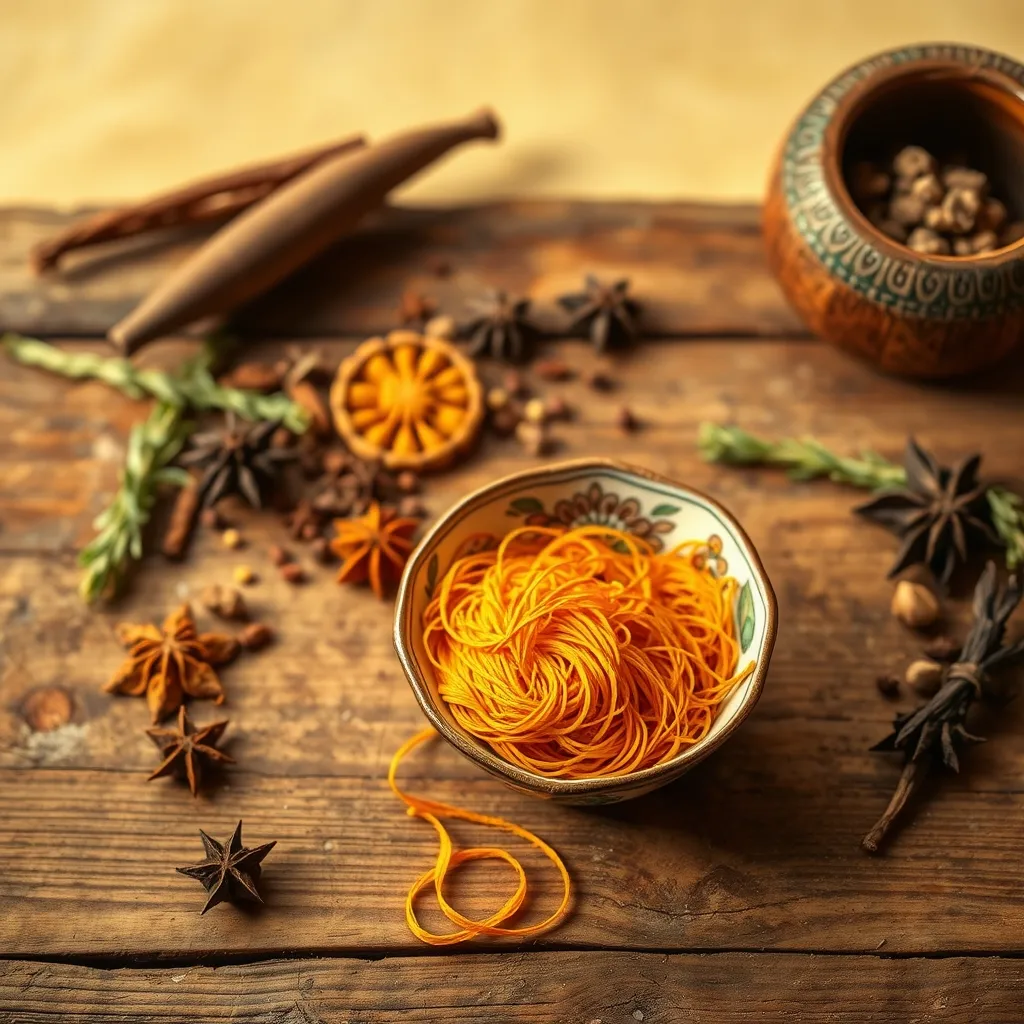
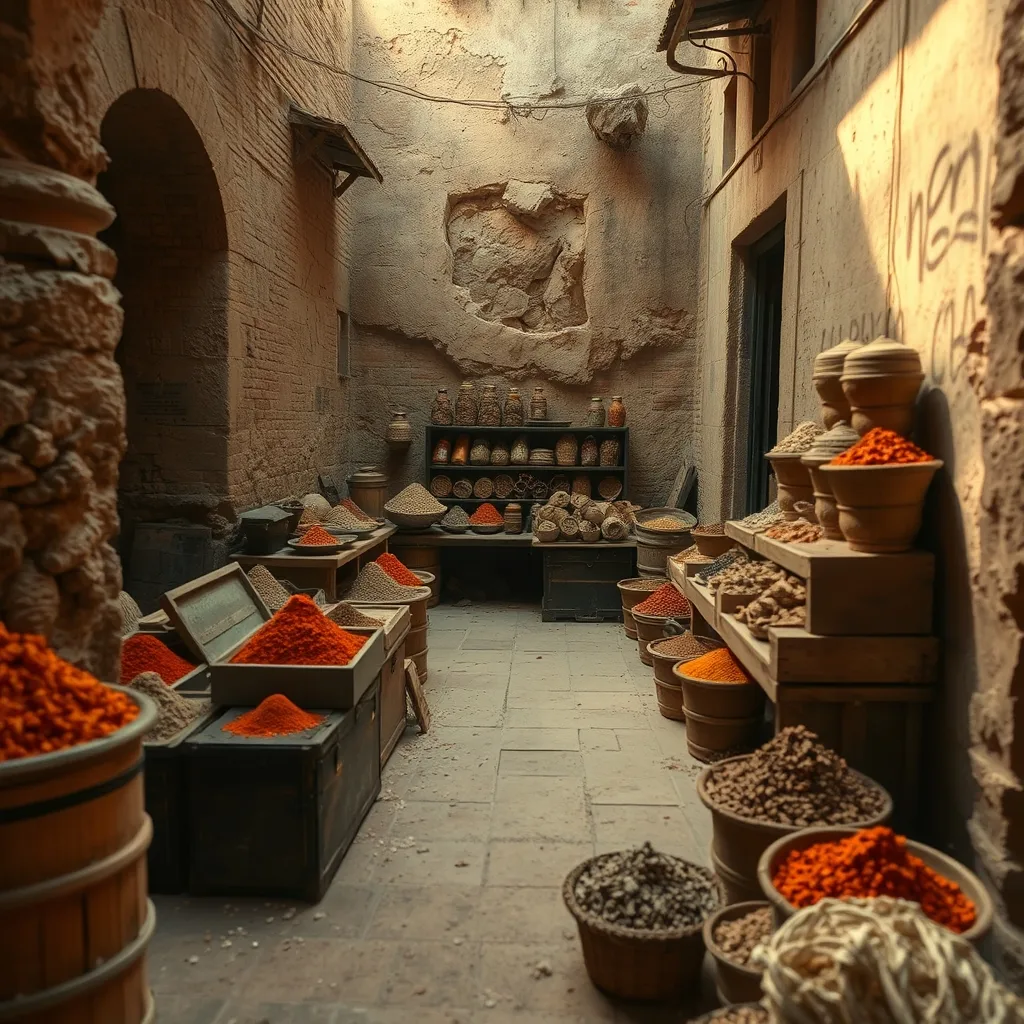
I've always been fascinated by the way a single ingredient can elevate a dish from ordinary to extraordinary. For me, that ingredient is saffron. With its distinctive earthy, floral flavor and vibrant yellow-orange color, saffron is the ultimate culinary luxury. As I delve into the world of saffron, I'm uncovering flavors that are both familiar and exotic, comforting and adventurous. From the sun-drenched fields of Spain to the bustling markets of India, saffron trails lead me on a journey of discovery, exploring the diverse ways this precious spice is used in cuisines around the globe.
My love affair with saffron began with a traditional Spanish paella, where the saffron-infused rice was the star of the show. The way the saffron threads dissolved into the hot oil, releasing their essence and aroma, was nothing short of magic. As I cooked my way through various recipes, I realized that saffron is more than just a flavor enhancer – it's a cultural symbol, a status symbol, and a testament to the power of food to bring people together. Whether it's the elaborate saffron-infused biryanis of Indian and Middle Eastern cuisine or the simple, comforting saffron risottos of Italy, this spice has a way of transcending borders and culinary traditions.
The Flavor Profile of Saffron
So, what exactly does saffron taste like? The flavor profile of saffron is complex and multifaceted, with notes of earthy sweetness, floral hints, and a subtle bitterness. When used in cooking, saffron can add a depth and richness to dishes that's hard to replicate with other ingredients. It's a flavor that's both subtle and pronounced, making it a versatile spice that can be used in a wide range of recipes. From the delicate saffron-infused sauces of French cuisine to the bold, saffron-spiced curries of Indian and Southeast Asian cuisine, this spice has a way of adapting to its surroundings and elevating the flavors of the dishes it's used in.
One of the most interesting things about saffron is the way it interacts with other ingredients. When paired with seafood, saffron adds a subtle sweetness and a pop of color to dishes like paella and bouillabaisse. When used with meat, saffron adds a depth and richness to dishes like stews and braises. And when used with vegetables, saffron adds a subtle earthy flavor and a vibrant yellow-orange color to dishes like risottos and soups. Whether it's the classic combination of saffron and seafood or the more unusual pairing of saffron and chocolate, this spice has a way of surprising and delighting the palate.
Cooking with Saffron
Cooking with saffron can be intimidating, especially for those who are new to this spice. But with a few simple tips and tricks, anyone can unlock the flavor and aroma of saffron. The first step is to invest in high-quality saffron threads, which are typically more expensive than ground saffron but offer a more vibrant flavor and color. Next, it's essential to soak the saffron threads in hot water or broth before adding them to a dish, as this helps to release their essence and aroma. Finally, it's crucial to use saffron in moderation, as too much of this spice can overpower the other flavors in a dish.
As I continue to explore the world of saffron, I'm constantly amazed by the diversity and richness of this spice. From the intricate saffron-infused desserts of Middle Eastern cuisine to the hearty, saffron-spiced stews of European cuisine, saffron is a spice that's capable of transcending borders and culinary traditions. Whether you're a seasoned chef or a curious cook, saffron is an ingredient that's sure to inspire and delight. So why not embark on your own saffron trail, exploring the diverse ways this precious spice is used in cuisines around the globe? With its unique flavor and aroma, saffron is sure to add a new dimension to your cooking and leave you wanting more.
Saffron in Modern Cuisine
Today, saffron is more popular than ever, with chefs and home cooks around the world incorporating this spice into their recipes. From the modernist cuisine of Spain to the farm-to-table cuisine of California, saffron is a spice that's being used in innovative and exciting ways. Whether it's the saffron-infused foams and sauces of molecular gastronomy or the saffron-spiced vegetables and meats of traditional cuisine, this spice is capable of adding a new level of sophistication and elegance to any dish. As I look to the future of saffron, I'm excited to see how this spice will continue to evolve and adapt, inspiring new generations of cooks and chefs to explore its unique flavor and aroma.
I explored a related angle in The Umami Paradox if you want to keep pulling this thread.
In the end, my journey along the saffron trails has been a journey of discovery, exploring the diverse ways this precious spice is used in cuisines around the globe. From the sun-drenched fields of Spain to the bustling markets of India, saffron is a spice that's capable of transcending borders and culinary traditions. Whether you're a foodie, a chef, or simply a curious cook, saffron is an ingredient that's sure to inspire and delight. So why not join me on this journey, exploring the rich and complex world of saffron and discovering the magic of this incredible spice for yourself?