Saffron: The Spice of Kings
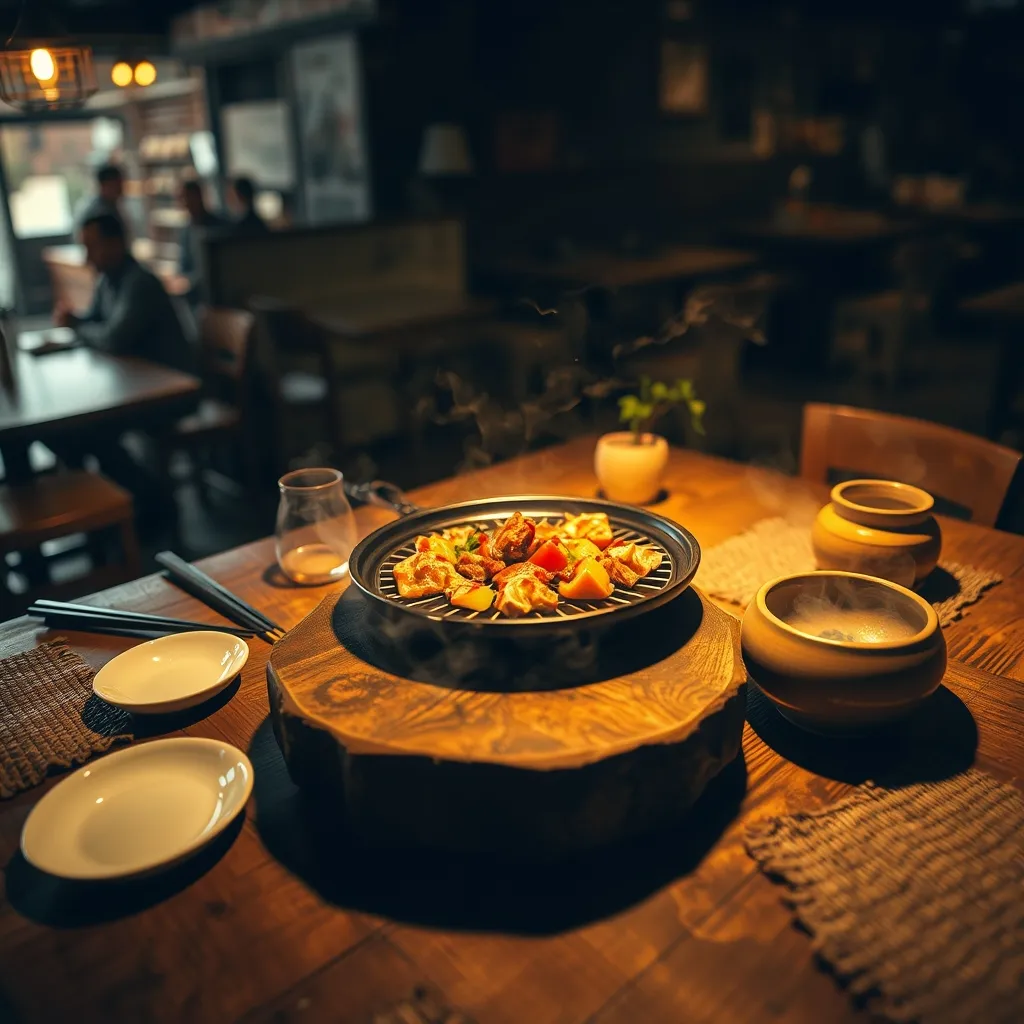
I still remember the first time I tasted saffron-infused paella at a small restaurant in Spain. The aroma, the flavor, the vibrant yellow color - it was like nothing I'd ever experienced before. As I delved deeper into the world of saffron, I discovered that this spice has been a prized ingredient for thousands of years, earning it the nickname "The Spice of Kings." From ancient civilizations to modern-day cuisine, saffron has played a significant role in shaping the flavors and traditions of various cultures around the world.
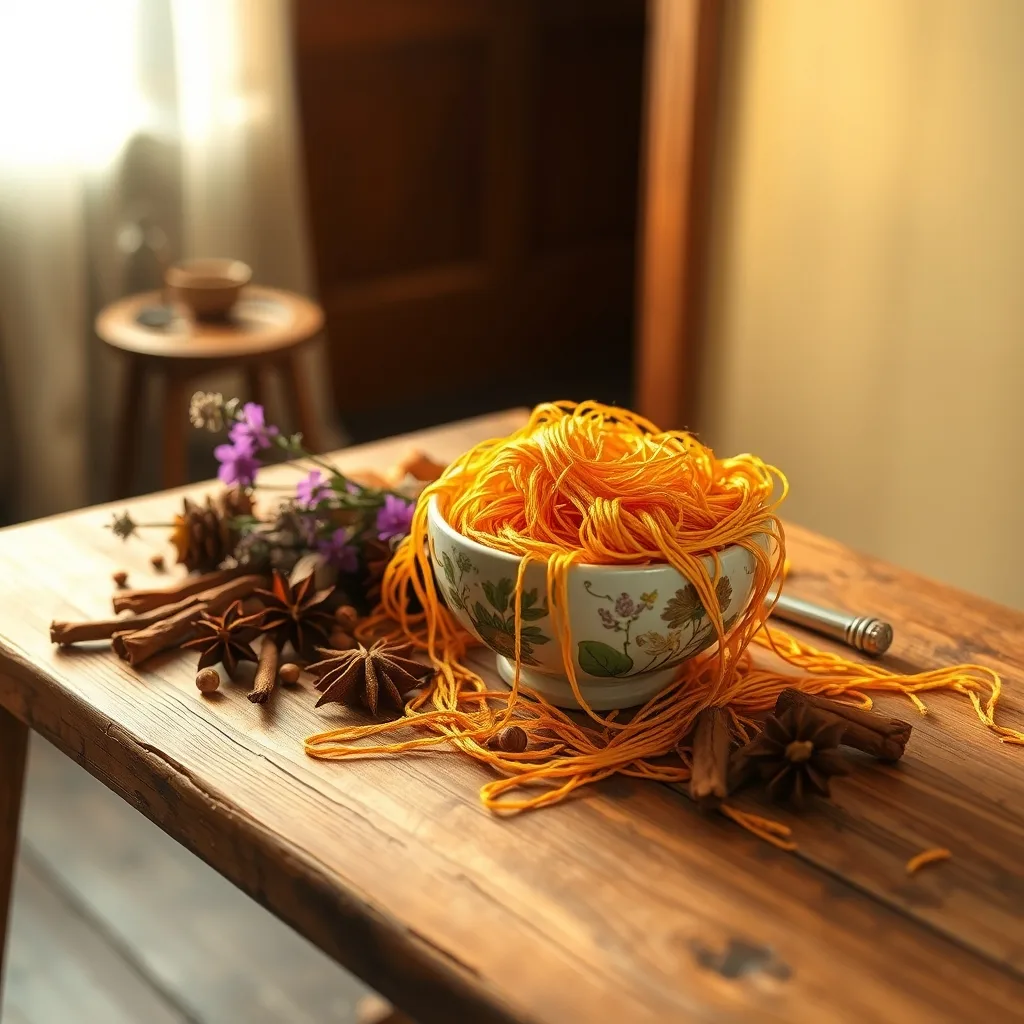
One of the most fascinating aspects of saffron is its rich history. The spice is derived from the dried stigmas of the saffron crocus flower, which is native to the Mediterranean region. It's believed that saffron was first cultivated in ancient Greece, where it was used not only as a culinary ingredient but also as a dye, a perfume, and even a form of currency. The Greeks prized saffron for its unique flavor and aroma, and it quickly became a staple in their cuisine. As trade and cultural exchange flourished, saffron spread throughout the ancient world, becoming an integral part of Middle Eastern, Asian, and European cooking traditions.
A Brief History of Saffron Trade
The history of saffron trade is a complex and intriguing one. As the spice became more widely sought after, trade routes were established to transport it from the Mediterranean to other parts of the world. The Silk Road, a network of ancient trade routes that connected Europe and Asia, played a significant role in the dissemination of saffron. Merchants would travel thousands of miles, carrying precious cargo of saffron threads, which were highly valued for their flavor, aroma, and medicinal properties. The spice was often used as a form of currency, and its value was so great that it was sometimes used to pay taxes and tributes.
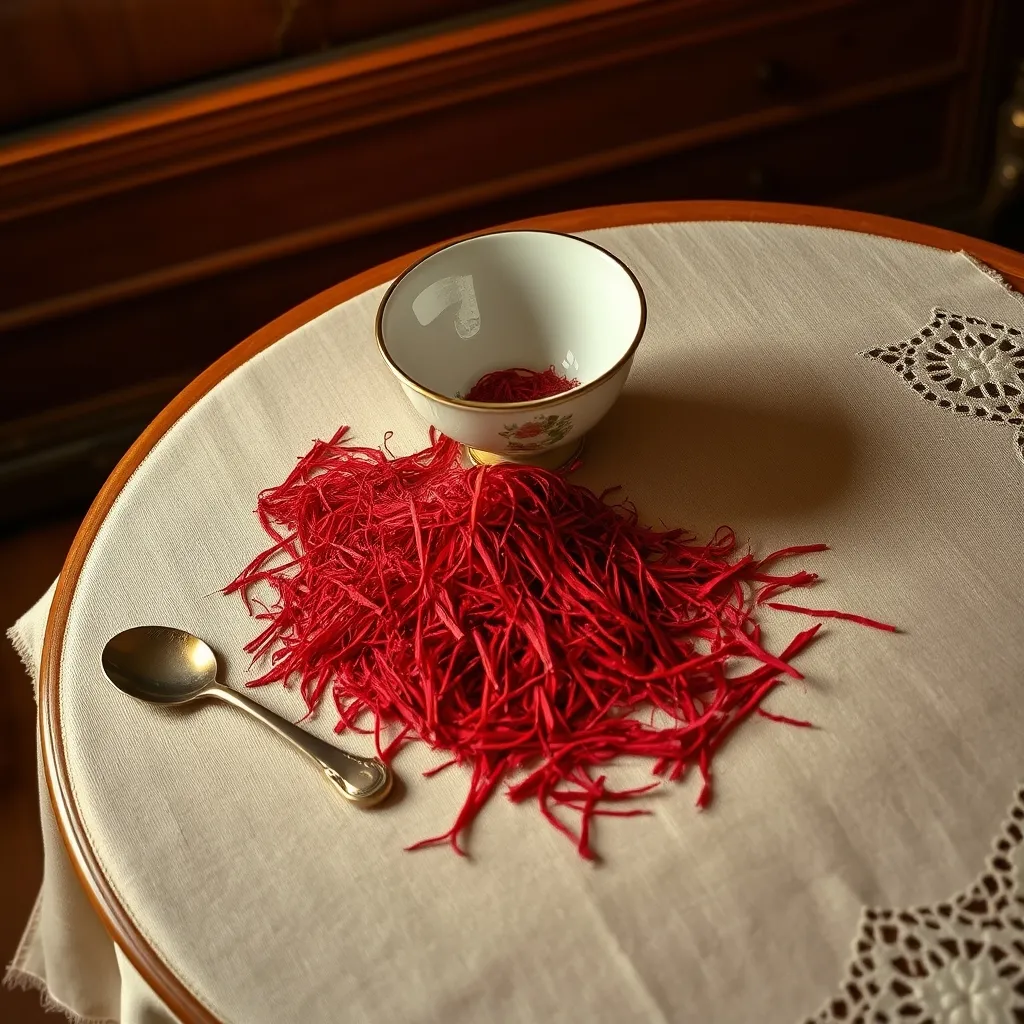
Today, saffron is still a highly prized ingredient, and its production is largely limited to a few regions around the world. Iran, Spain, and Italy are among the top saffron-producing countries, with each region having its own unique traditions and methods of cultivation. The process of harvesting saffron is labor-intensive and time-consuming, which is why the spice is so expensive. It takes approximately 75,000 flowers to produce just one pound of saffron, which is why it's often referred to as "red gold."
Culinary Uses of Saffron
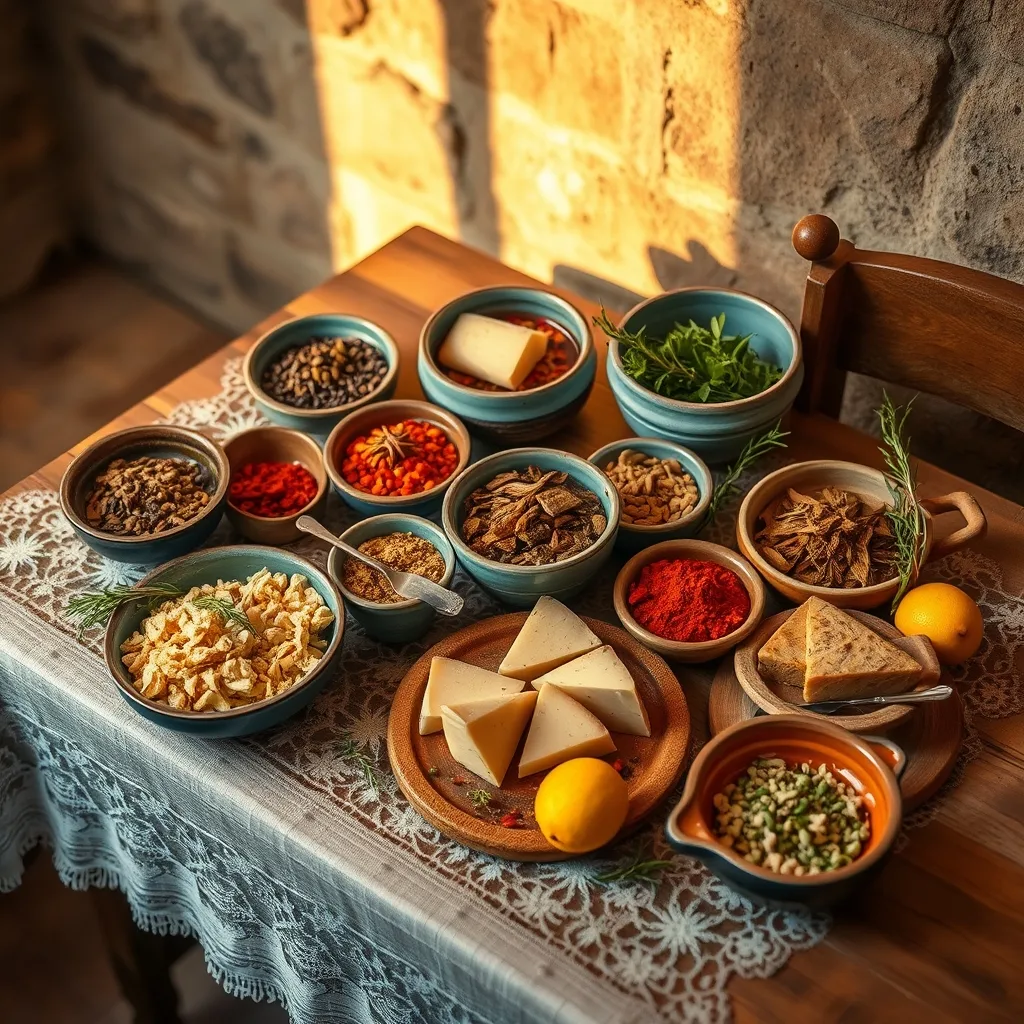
So, what makes saffron so special in the culinary world? For starters, its unique flavor and aroma are unlike anything else. Saffron has a subtle earthy, floral, and slightly sweet flavor that pairs well with a variety of ingredients, from seafood and meat to vegetables and grains. It's a key ingredient in many traditional dishes, such as paella, bouillabaisse, and risotto. Saffron is also used to add color and flavor to desserts, such as cakes, cookies, and ice cream.
In addition to its culinary uses, saffron has also been prized for its medicinal properties. It's believed to have anti-inflammatory and antioxidant properties, and it's been used to treat a variety of ailments, from digestive issues to skin problems. While more research is needed to fully understand the health benefits of saffron, it's clear that this spice has been a valued ingredient for thousands of years, and its popularity shows no signs of waning.
Using Saffron in Modern Cuisine
So, how can you incorporate saffron into your cooking? One of the easiest ways to use saffron is to add it to soups, stews, and braises. Simply soak the saffron threads in hot water or broth, then add the mixture to your dish. You can also use saffron to make a flavorful oil or vinegar, which can be used as a finishing touch for a variety of dishes. If you're feeling adventurous, try making your own saffron-infused paella or risotto - the results are well worth the effort.
I explored a related angle in Flavors of Street Food if you want to keep pulling this thread.
In conclusion, saffron is a spice that's steeped in history and tradition. From its ancient origins to its modern-day uses, saffron has played a significant role in shaping the flavors and traditions of various cultures around the world. Whether you're a seasoned chef or a curious cook, saffron is definitely worth exploring. With its unique flavor, aroma, and medicinal properties, it's a spice that's sure to add depth and excitement to any dish. So, go ahead and give saffron a try - your taste buds will thank you!