Spice Route Stories
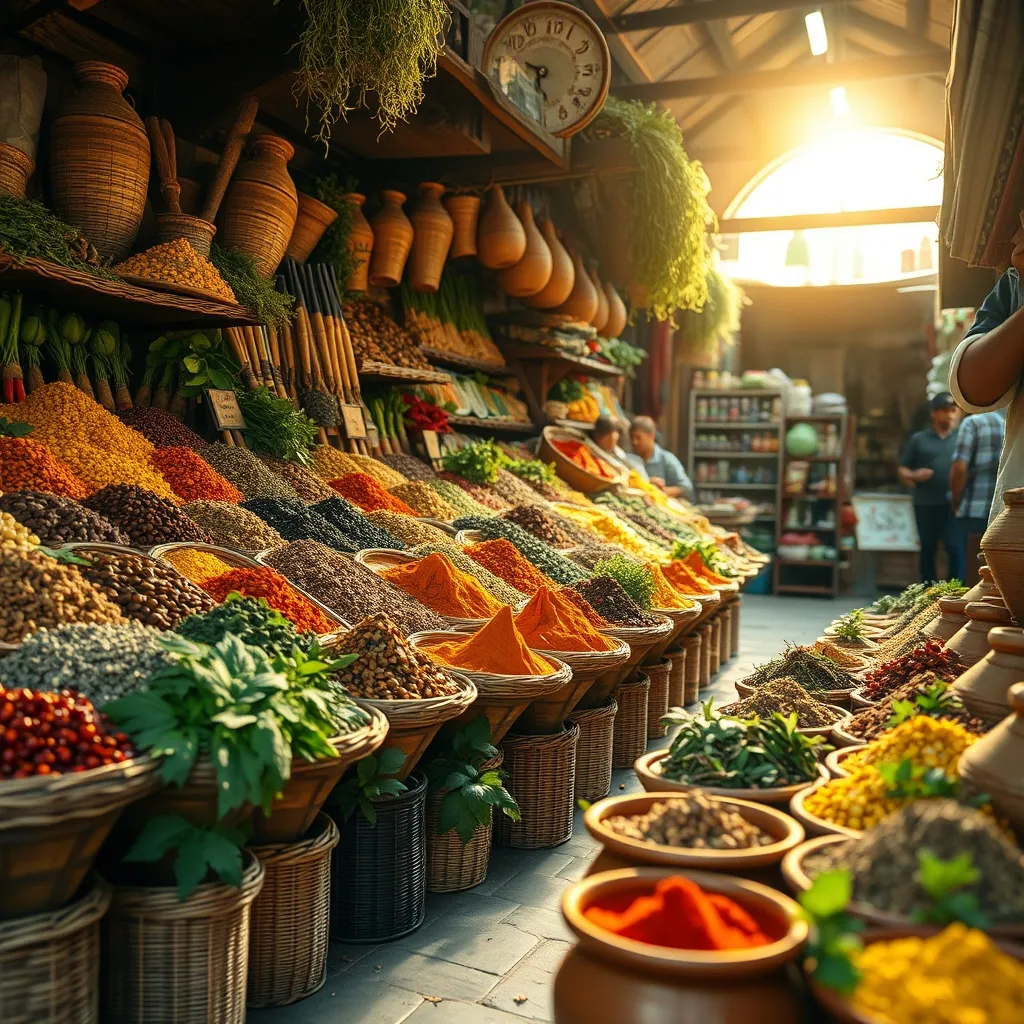
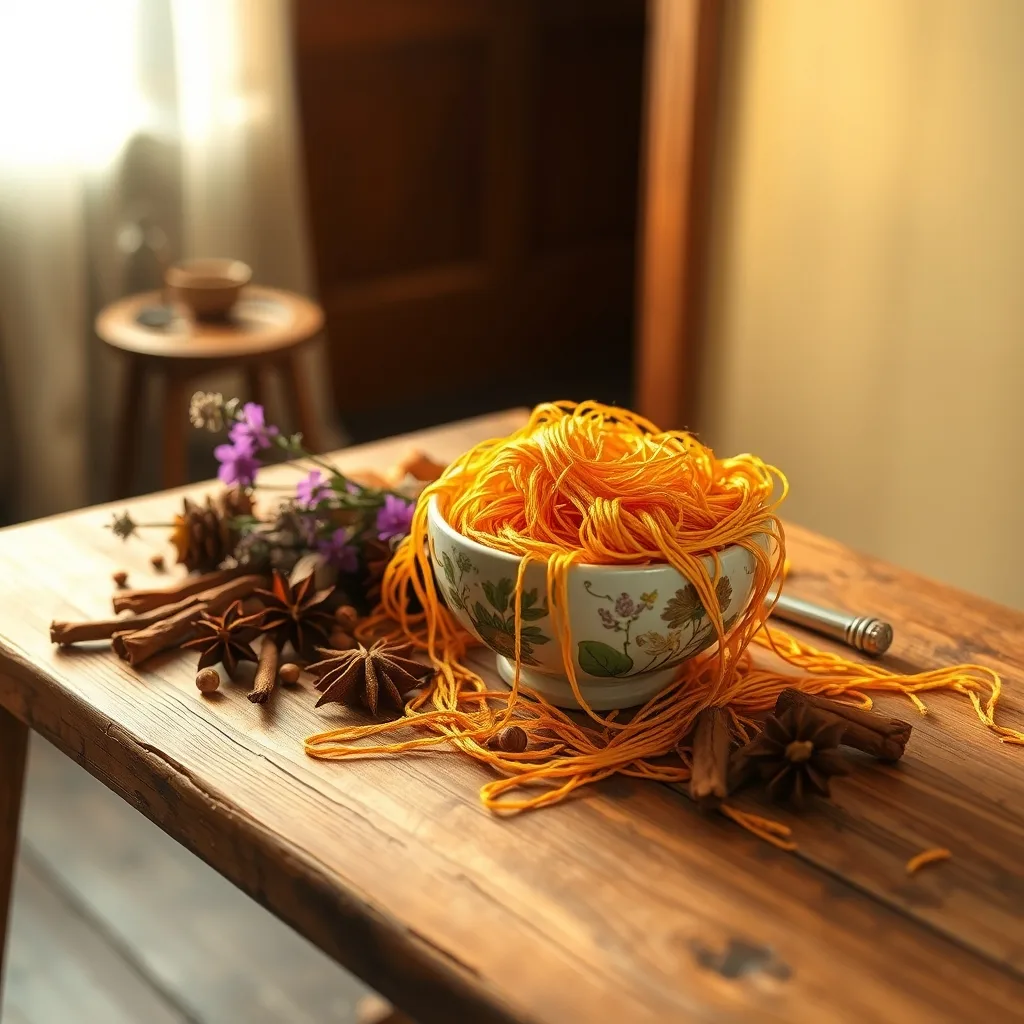
I've always been fascinated by the stories behind the spices that fill my kitchen. The aroma of cumin, the warmth of cinnamon, and the pungency of turmeric all evoke memories of far-off lands and exotic markets. As I delve into the world of spice routes, I'm struck by the complexity and richness of the flavors that have shaped the cuisine of entire civilizations. From the ancient trade routes of the Middle East to the bustling markets of India, the story of spices is one of adventure, cultural exchange, and culinary innovation.
The Ancient Spice Trade
The spice trade has its roots in ancient times, when merchants and traders would embark on perilous journeys to bring exotic spices back to their homelands. The Silk Road, which connected Europe and Asia, was a major conduit for the spice trade, with merchants carrying precious cargoes of pepper, cloves, and nutmeg across vast distances. These spices were highly prized not only for their flavor but also for their preservative properties, which allowed food to be stored for longer periods. As the spice trade flourished, new routes and trade networks emerged, connecting the East and West in a complex web of cultural and culinary exchange.
The impact of the spice trade on cuisine cannot be overstated. The introduction of new spices and flavorings revolutionized the way people cooked and ate, leading to the development of new dishes and culinary traditions. In India, for example, the use of turmeric, coriander, and cumin became a hallmark of local cuisine, while in the Middle East, the combination of sumac, pomegranate molasses, and olives created a distinctive flavor profile. As spices were traded and exchanged, they also influenced the cuisine of other regions, leading to the creation of new fusion dishes and flavors.
Flavors of the Orient
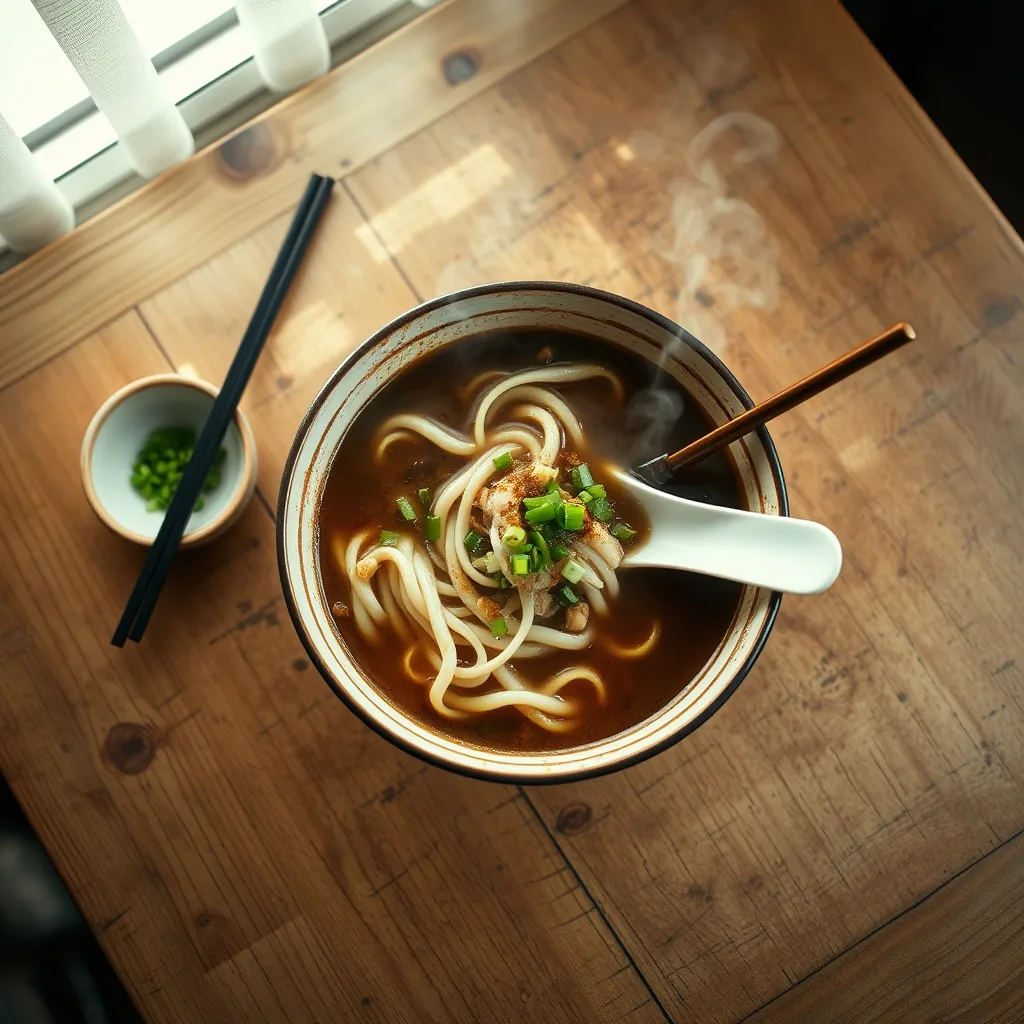
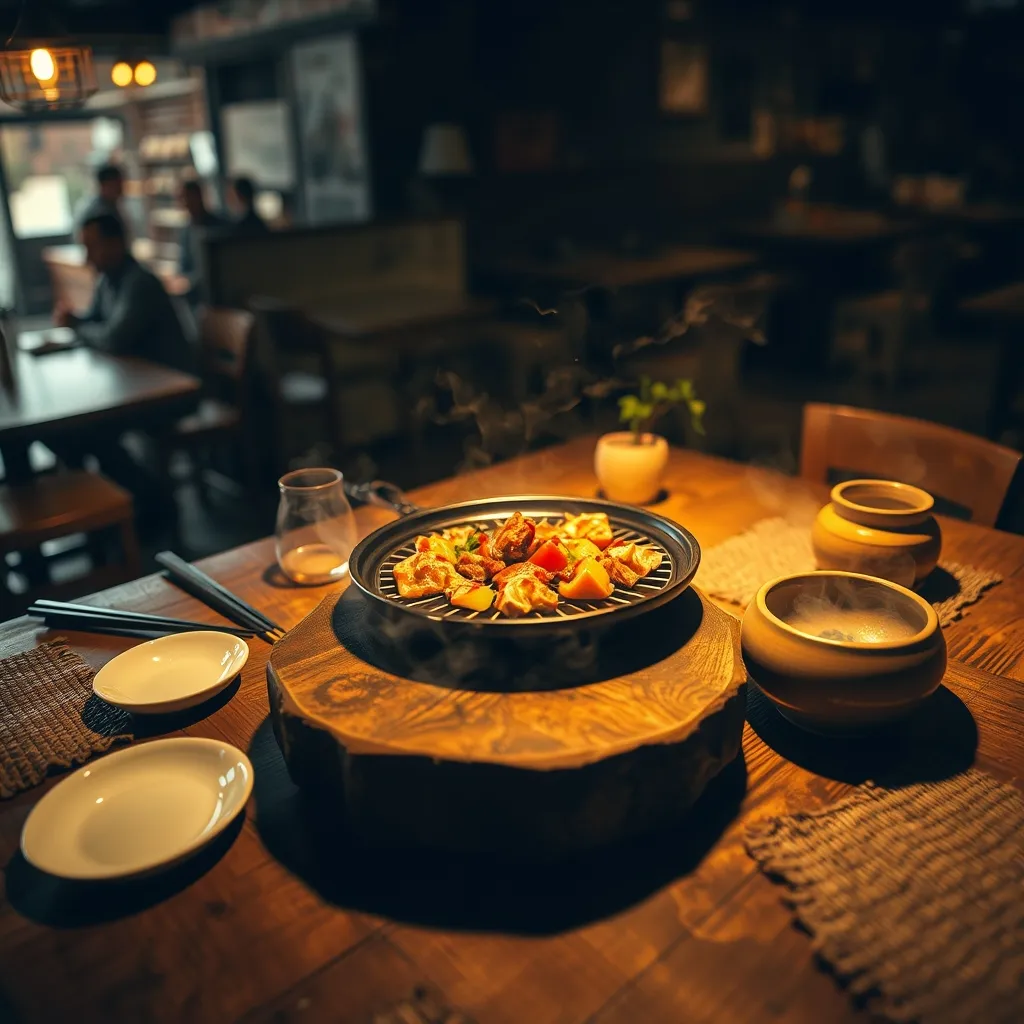
One of the most fascinating aspects of the spice trade is the way it has shaped the cuisine of the Orient. From the delicate flavors of Japanese cuisine to the bold spices of Korean barbecue, the use of spices and seasonings has played a crucial role in defining the flavor profiles of these regions. In China, the combination of soy sauce, ginger, and star anise creates a rich and savory flavor, while in Thailand, the use of fish sauce, lime juice, and chilies adds a bright and spicy kick to dishes. As I explore the flavors of the Orient, I'm struck by the diversity and complexity of the spice blends and seasonings used in these cuisines.
Despite the many differences between these cuisines, there are also some common threads that run through them. The use of aromatics like garlic, ginger, and onions, for example, is a common feature of many Oriental dishes, while the combination of sweet, sour, salty, and umami flavors is a hallmark of many Asian cuisines. As I cook and experiment with these flavors, I'm constantly amazed by the way they can be combined and recombined to create new and exciting dishes.
Culinary Legacies
As I reflect on the spice route stories that have shaped the cuisine of our world, I'm struck by the enduring legacy of these flavors. From the spicy stews of Africa to the fragrant curries of India, the use of spices and seasonings has created a rich and diverse culinary heritage that continues to inspire and delight us. As we cook and eat, we're not just consuming food – we're also participating in a cultural and culinary tradition that stretches back centuries. Whether we're cooking up a storm in our own kitchens or exploring the flavors of distant lands, the spice route stories that have shaped our cuisine continue to evoke and inspire us, inviting us to uncover new flavors and create our own culinary legacies.
I explored a related angle in Flavors of Nostalgia: Heirloom Recipes Revived if you want to keep pulling this thread.
For me, the joy of cooking is closely tied to the stories and traditions behind the spices and ingredients I use. As I experiment with new flavors and techniques, I'm constantly reminded of the rich cultural heritage that underlies our cuisine. Whether I'm making a simple curry or a complex stew, I know that I'm drawing on a deep well of culinary knowledge and tradition that stretches back centuries. And as I sit down to enjoy the fruits of my labor, I'm filled with a sense of wonder and appreciation for the spice route stories that have brought us to this place – a place of culinary diversity, creativity, and joy.