Spice Routes of the World
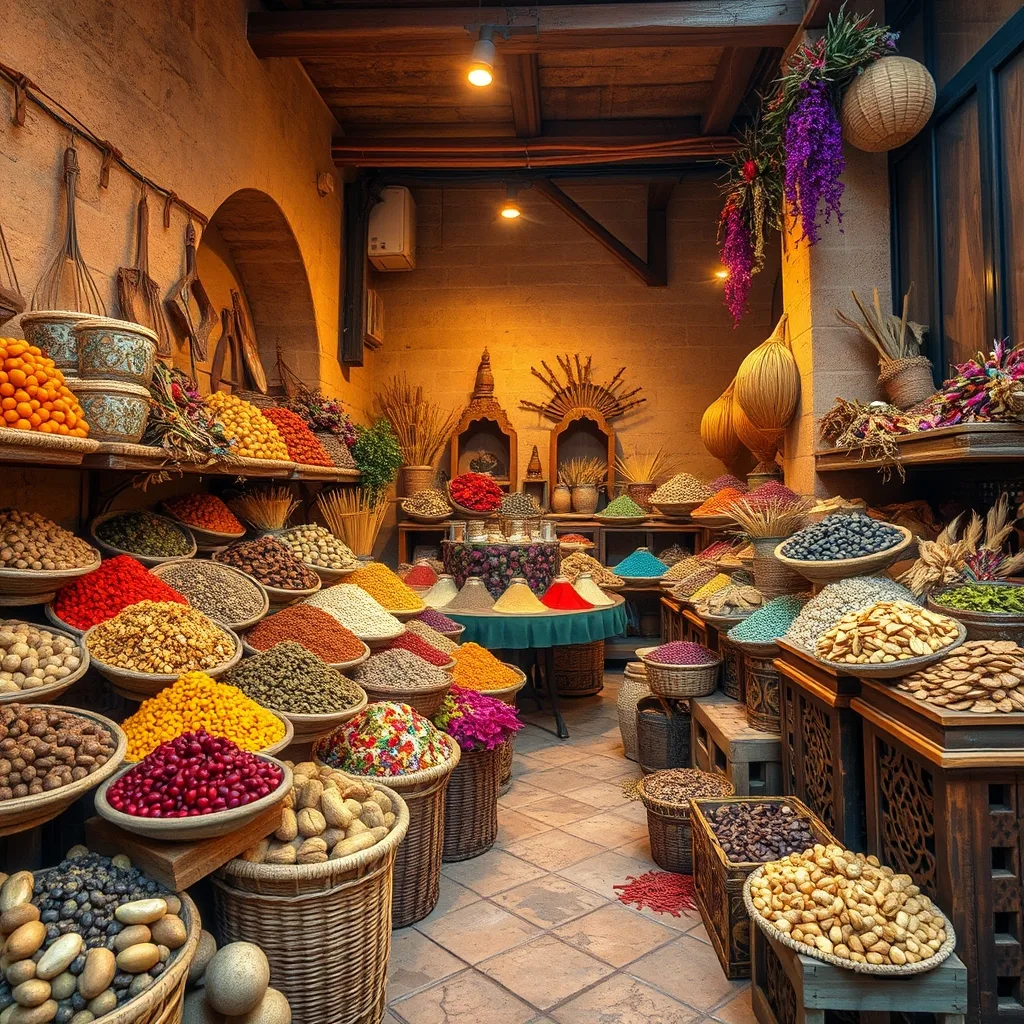
I've always been fascinated by the way food can transport us to different times and places. The spice routes of the world are a testament to the power of flavor to shape history and culture. From the ancient trade routes of Asia to the modern-day markets of Europe, spices have played a crucial role in the development of cuisines around the globe. As I delve into the world of spice routes, I'm struck by the complexity and richness of the flavors that have been exchanged, borrowed, and adapted over centuries.
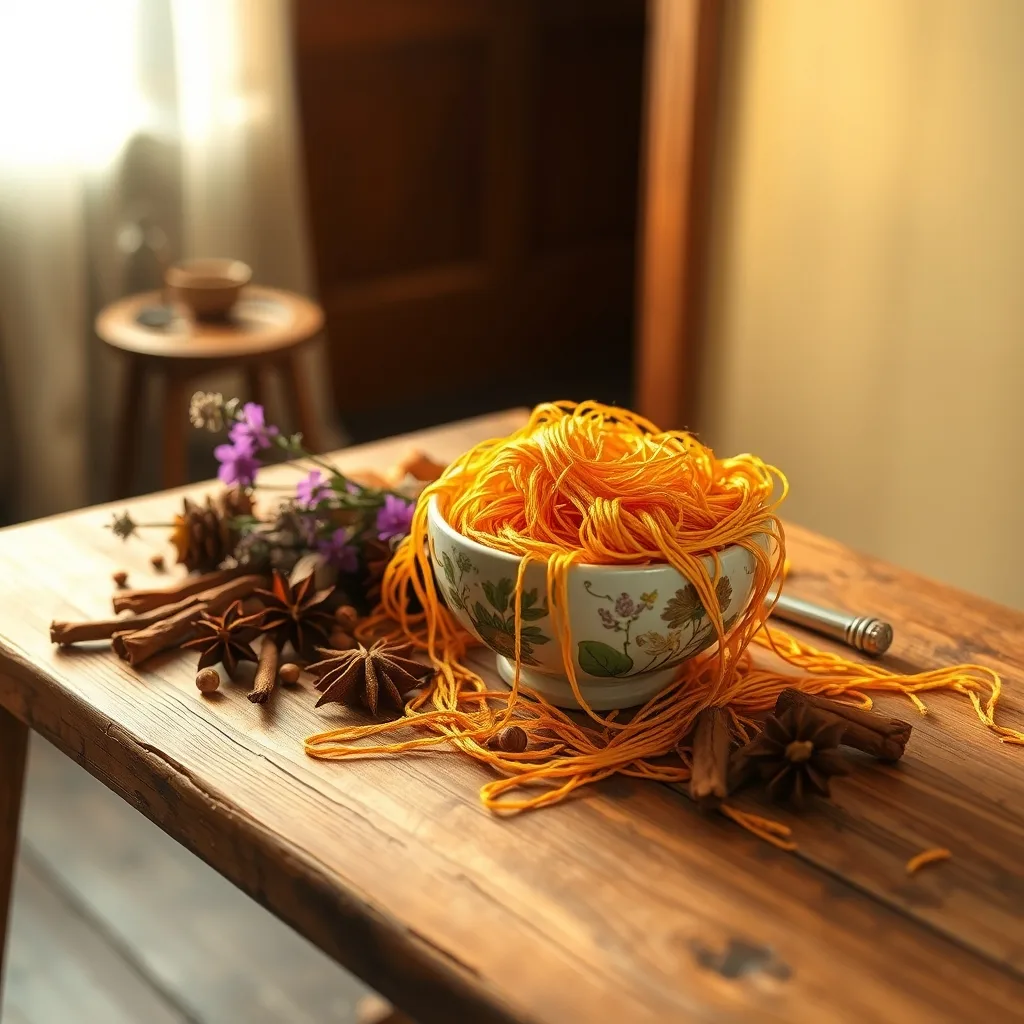
The spice trade has its roots in ancient civilizations, where spices were valued for their flavor, preservative properties, and medicinal uses. The Silk Road, which connected China with the Mediterranean region, was a major conduit for the exchange of spices, textiles, and other goods. Spices like cinnamon, pepper, and cloves were highly prized for their ability to add flavor and aroma to food, and they played a significant role in the development of many cuisines, including Chinese, Indian, and Middle Eastern.
One of the most significant spice routes was the Incense Road, which connected the Arabian Peninsula with the Mediterranean region. This route was used to transport frankincense, myrrh, and other precious spices that were used in religious rituals and as a form of currency. The Incense Road also played a significant role in the development of Arabic cuisine, which is characterized by the use of spices like cumin, coriander, and sumac to add flavor and depth to dishes like kebabs, stews, and salads.
The Spice Routes of Asia
Asia has been at the heart of the spice trade for centuries, with countries like India, China, and Indonesia playing a major role in the production and exchange of spices. The spice routes of Asia were a complex network of trade routes that connected the region with the rest of the world. Spices like pepper, cinnamon, and cardamom were highly valued for their flavor and preservative properties, and they were used to add flavor and aroma to a wide range of dishes, from curries and stir-fries to soups and salads.
In India, the spice trade played a significant role in the development of the country's cuisine, with spices like turmeric, cumin, and coriander being used to add flavor and color to dishes like curries, stews, and chutneys. The use of spices in Indian cuisine is highly regional, with different parts of the country having their own unique spice blends and cooking techniques. For example, the cuisine of the southern state of Kerala is characterized by the use of spices like cardamom, cinnamon, and cloves, while the cuisine of the northern state of Punjab is characterized by the use of spices like cumin, coriander, and garam masala.
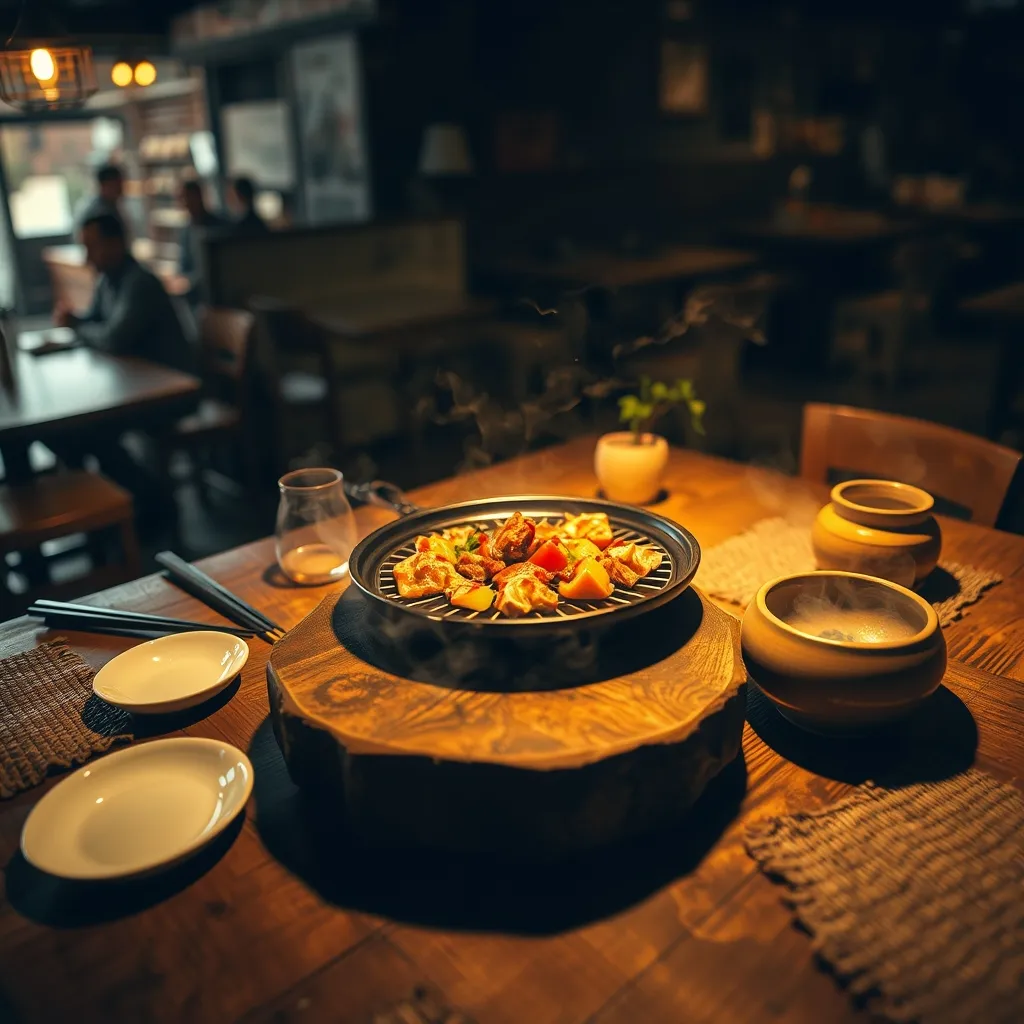
The spice routes of Asia also played a significant role in the development of Chinese cuisine, with spices like ginger, garlic, and star anise being used to add flavor and aroma to dishes like stir-fries, soups, and braises. Chinese cuisine is highly regional, with different parts of the country having their own unique spice blends and cooking techniques. For example, the cuisine of the southern province of Szechuan is characterized by the use of spices like Szechuan pepper, chili peppers, and garlic, while the cuisine of the northern province of Shandong is characterized by the use of spices like ginger, scallions, and soy sauce.
The Spice Routes of Europe
Europe has a long history of spice trading, with the Romans being major players in the spice trade. The Roman Empire's extensive trade networks connected Europe with Asia and Africa, and spices like pepper, cinnamon, and cloves were highly valued for their flavor and preservative properties. The use of spices in European cuisine is highly regional, with different parts of the continent having their own unique spice blends and cooking techniques.
In the Middle Ages, the spice trade played a significant role in the development of European cuisine, with spices like saffron, nutmeg, and ginger being used to add flavor and aroma to dishes like stews, soups, and sauces. The use of spices in European cuisine was highly influenced by the spice routes of Asia, with spices like cinnamon, cardamom, and cloves being used to add flavor and aroma to dishes like baked goods, desserts, and beverages.
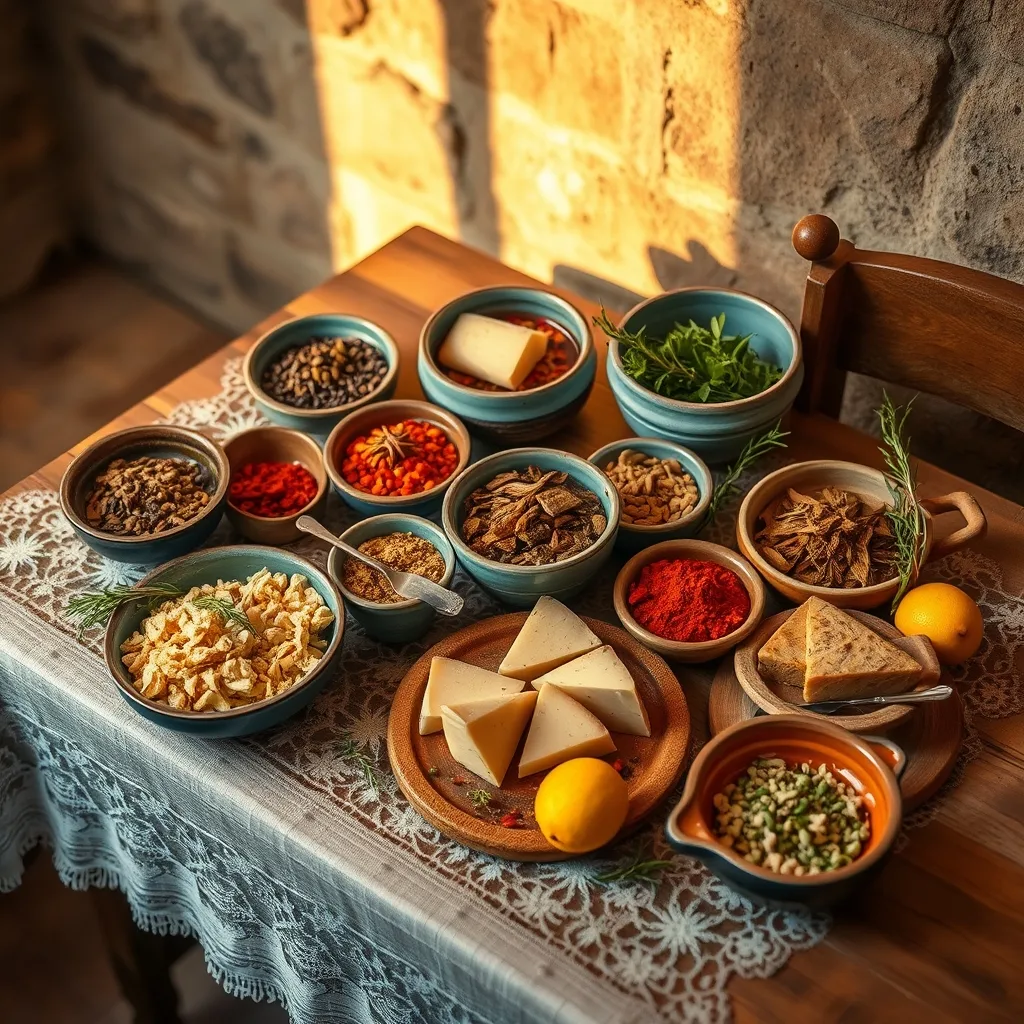
Today, the spice routes of Europe continue to play a significant role in the development of the continent's cuisine, with spices like paprika, garlic, and rosemary being used to add flavor and aroma to dishes like stews, soups, and salads. The use of spices in European cuisine is highly regional, with different parts of the continent having their own unique spice blends and cooking techniques. For example, the cuisine of the Mediterranean region is characterized by the use of spices like oregano, thyme, and rosemary, while the cuisine of the Balkans is characterized by the use of spices like paprika, garlic, and chili peppers.
The Legacy of the Spice Routes
The spice routes of the world have left a lasting legacy on the cuisines of the countries that were connected by them. The exchange of spices and other goods helped to shape the flavors and cooking techniques of different cultures, and it played a significant role in the development of many cuisines around the globe. Today, the spice routes continue to inspire chefs and home cooks, who use spices and other ingredients to create delicious and aromatic dishes that reflect the diversity and richness of global cuisine.
As I reflect on the spice routes of the world, I'm struck by the power of food to bring people together and to transcend cultural and geographical boundaries. The spice routes may have started as a way to exchange goods and commodities, but they have evolved into a celebration of the diversity and richness of global cuisine. Whether you're cooking a spicy curry or a fragrant stew, the spices and ingredients that you use are a testament to the enduring legacy of the spice routes and the flavors that have shaped history.
I explored a related angle in Flavors of Fusion: Modern Twists on Classic Dishes if you want to keep pulling this thread.
In conclusion, the spice routes of the world are a fascinating topic that offers a glimpse into the history and culture of different civilizations. By exploring the spice routes and the flavors that they have inspired, we can gain a deeper appreciation for the diversity and richness of global cuisine and the ways in which food can bring people together and transcend cultural and geographical boundaries. So next time you cook a meal, take a moment to appreciate the spices and ingredients that you're using, and the rich history and culture that they represent.