The Art of Micro-Fiction
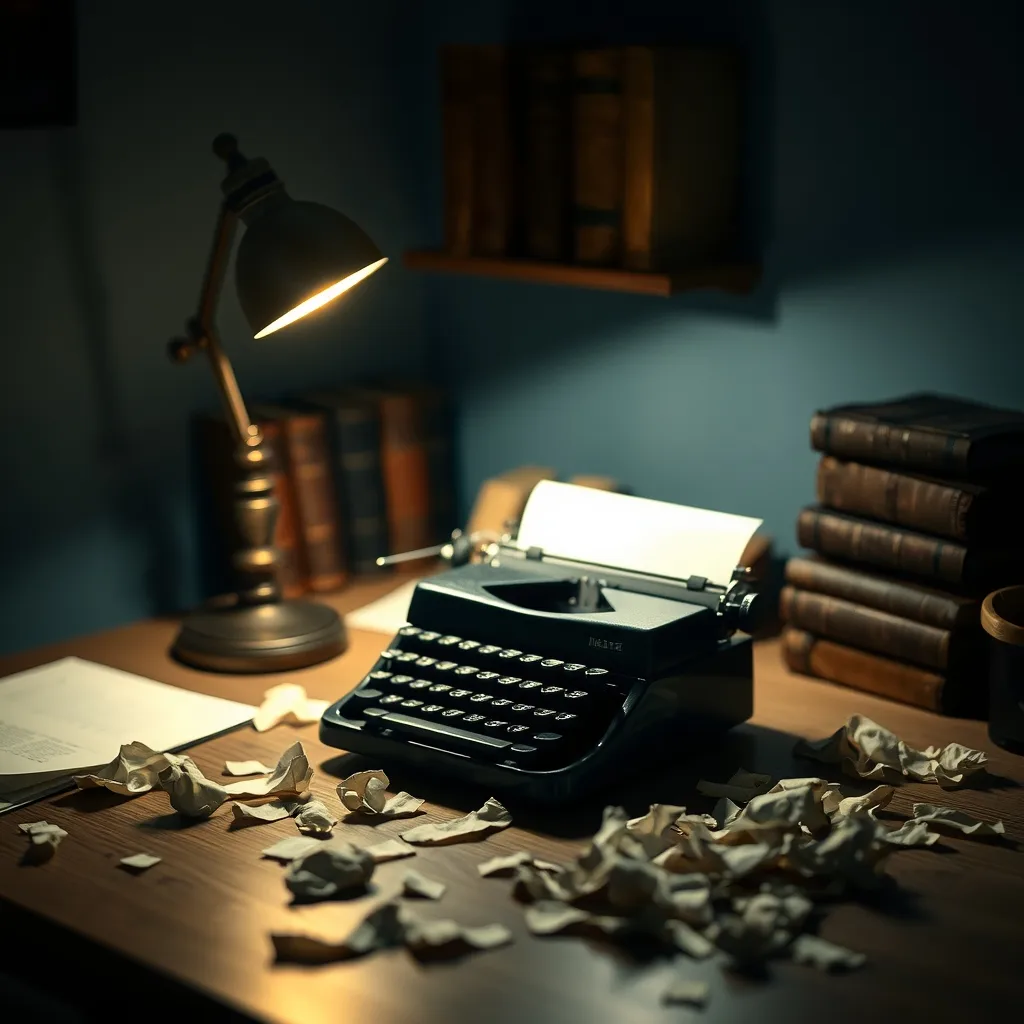
I've always been fascinated by the concept of micro-fiction, where an entire story is condensed into a mere 100 words. It's a daunting task, to say the least, but also a thrilling challenge for any writer. The idea is to craft a narrative that's not only complete but also engaging, with characters, plot, and setting, all within a ridiculously tight word limit. It's like trying to build a skyscraper on a postage stamp, but that's what makes it so appealing. As a writer, I've found that micro-fiction forces me to be concise, to cut out all the fluff and get to the heart of the story.
One of the key elements of successful micro-fiction is the ability to imply rather than state. You can't possibly fit every detail into 100 words, so you need to trust your reader to fill in the gaps. This means using suggestion and inference to create a sense of atmosphere and mood, rather than spelling everything out. It's a delicate balance, but when done well, it can be incredibly powerful. I've read micro-fiction pieces that have left me breathless, with a sense of wonder and awe that's hard to achieve with longer forms of writing.
The Power of Suggestion
So, how do you go about crafting a micro-fiction piece that's both effective and engaging? For me, it starts with a clear idea of what I want to convey. I might have a character, a setting, or a situation in mind, and then I'll try to distill it down to its essence. What's the core of the story? What's the central conflict or emotion? Once I have that, I can start to build around it, using language that's concise but evocative. I might use metaphors, similes, or other literary devices to create a sense of depth and complexity, even in a very short piece.
Another important aspect of micro-fiction is the use of white space. Because the word limit is so tight, every word counts, and you need to make the most of the space you have. This means being ruthless about cutting out unnecessary words, and using the blank space on the page to create a sense of pause or reflection. It's amazing how much emotion and tension you can convey with a well-placed line break or a strategically inserted comma. Of course, this is true of all writing, but it's especially crucial in micro-fiction, where every element is magnified.
The Challenge of Conciseness
Despite the challenges, I've found that writing micro-fiction has actually helped me to become a better writer overall. It's taught me to be more concise, to edit more ruthlessly, and to trust my readers to fill in the gaps. It's also forced me to think more creatively about language and form, to experiment with different styles and techniques. And when it works, there's no feeling quite like it – the sense of having created something entire and self-contained, a tiny but perfect world that exists in a mere 100 words.
Of course, not every micro-fiction piece is a success, and that's okay. The beauty of the form is that it's low-risk, low-reward – you can try out an idea, see if it works, and then move on to the next thing. And even when a piece doesn't quite work, you can often learn something from the attempt, about what did and didn't work, and how you can apply those lessons to your next project. As a writer, I've found that micro-fiction has been a valuable addition to my toolkit, a way to stretch my creative muscles and push myself in new and exciting ways.
Conclusion
I explored a related angle in Unwrapping the Flavors of Japanese Ramen if you want to keep pulling this thread.
In the end, the art of micro-fiction is all about restraint and suggestion. It's about trusting your reader, and trusting yourself, to create a narrative that's both complete and compelling. It's a challenging form, to be sure, but also a deeply rewarding one. When done well, micro-fiction can be a powerful tool for storytelling, a way to create entire worlds in a tiny amount of space. And as a writer, there's no feeling quite like the thrill of crafting a micro-fiction piece that works, that comes together in a way that's both surprising and inevitable.