Unwrapping the Flavors of Japanese Ramen
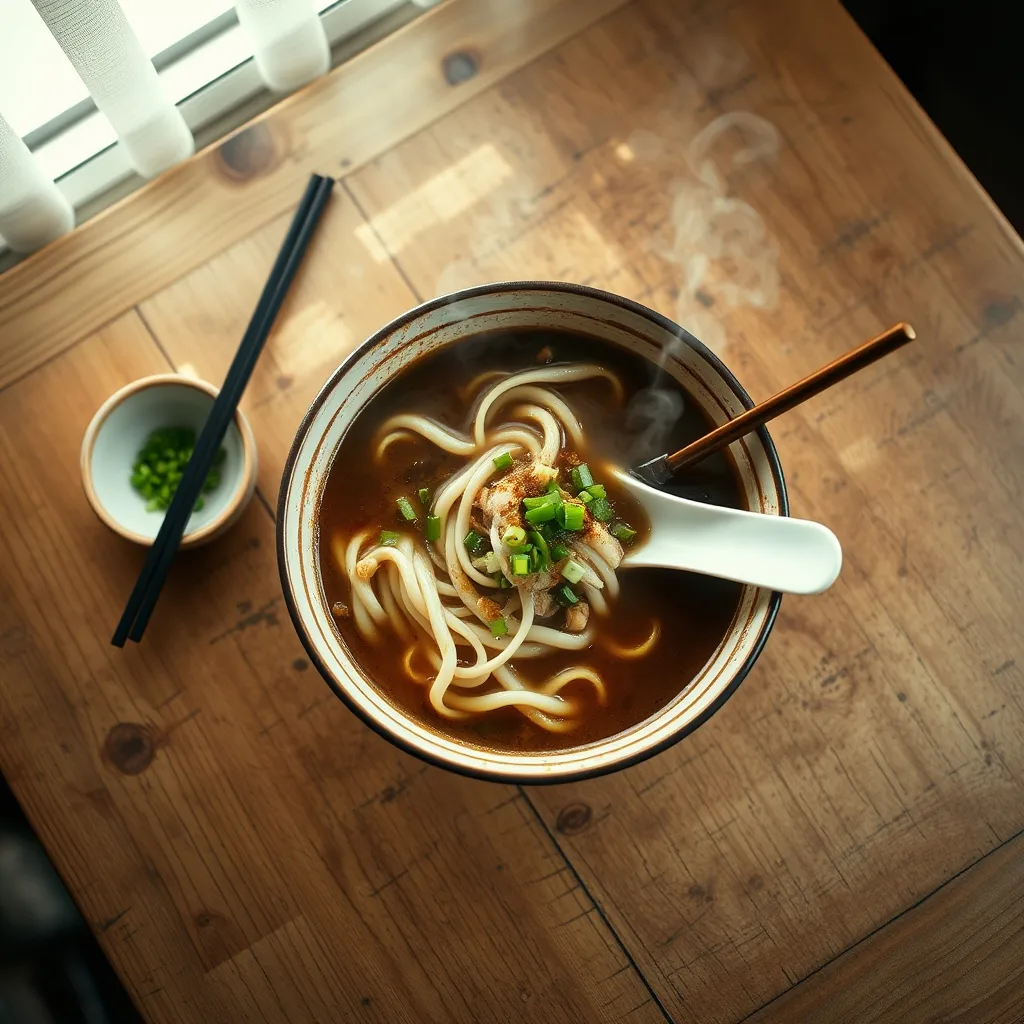
I still remember my first steaming bowl of Japanese ramen - the rich, savory broth, the springy noodles, and the array of toppings that added texture and flavor to each bite. It was a culinary epiphany, a moment that made me understand why ramen is often referred to as Japan's soul food. As I delved deeper into the world of ramen, I discovered the incredible diversity of this beloved dish, with regional variations and unique flavor profiles that reflect the country's culinary heritage.
From the tonkotsu ramen of Kyushu, with its creamy pork bone broth and tender slices of braised pork, to the shoyu ramen of Tokyo, with its clear, soy sauce-based broth and delicate toppings, each region of Japan has its own distinct take on this iconic noodle soup. And then there are the various toppings and seasonings that can be added to customize the flavor and texture of the dish - from green onions and bean sprouts to pickled ginger and spicy miso paste. Whether you're a seasoned foodie or just discovering the joys of ramen, there's always something new to explore and savor.
The Art of Ramen Broth
The foundation of a great bowl of ramen is, of course, the broth - a rich, flavorful liquid that's been simmered for hours to extract the deepest, most complex flavors from bones, meat, and vegetables. There are several types of ramen broth, each with its own unique characteristics and flavor profile. Tonkotsu broth, made with pork bones, is creamy and rich, with a deep, unctuous texture that coats the noodles and toppings. Shoyu broth, on the other hand, is clear and light, with a delicate, soy sauce-based flavor that allows the other ingredients to shine. And then there's shio broth, made with salt and pork or chicken bones, which is often used in lighter, more refreshing styles of ramen.
Regardless of the type of broth, the key to a great bowl of ramen is the quality of the ingredients and the care with which they're prepared. Ramen broth is typically made with a combination of bones, meat, and vegetables, which are simmered for hours to extract their flavors and nutrients. The resulting liquid is then strained and seasoned with soy sauce, salt, and other ingredients to create a rich, savory broth that's both nourishing and delicious. Whether you're a professional chef or a home cook, making great ramen broth requires patience, skill, and a deep understanding of the ingredients and techniques involved.
Regional Ramen Styles
One of the most fascinating aspects of Japanese ramen is the incredible diversity of regional styles and variations. From the rich, creamy tonkotsu ramen of Kyushu to the light, refreshing yuzu ramen of the Hokkaido region, each part of Japan has its own unique take on this beloved dish. In Tokyo, for example, you'll find a wide range of ramen styles, from classic shoyu ramen to more modern, innovative variations featuring ingredients like truffles and foie gras. In Osaka, on the other hand, the ramen is often thicker and more richly flavored, with a focus on hearty toppings like braised pork and boiled eggs.
As you travel throughout Japan, you'll discover a wide range of regional ramen styles, each with its own unique flavor profile and cultural context. In Fukuoka, for example, you'll find a style of ramen known as Hakata ramen, which features a rich, creamy tonkotsu broth and tender slices of braised pork. In Sapporo, on the other hand, the ramen is often lighter and more refreshing, with a focus on corn and butter as key ingredients. Whether you're a seasoned foodie or just discovering the joys of ramen, exploring the regional variations of this iconic dish is a fascinating and delicious journey.
Customizing Your Ramen Experience
One of the best things about Japanese ramen is the ability to customize your bowl to suit your tastes and preferences. From the type of broth and noodles to the toppings and seasonings, there are countless ways to personalize your ramen experience and make it your own. Some people like their ramen with a rich, creamy broth and plenty of hearty toppings, while others prefer a lighter, more refreshing style with delicate flavors and textures. Whether you're in the mood for something classic and traditional or innovative and adventurous, the world of ramen has something to offer.
I explored a related angle in Decoding Korean BBQ if you want to keep pulling this thread.
As you explore the world of Japanese ramen, don't be afraid to experiment and try new things. Ask your server for recommendations, or try customizing your bowl with different toppings and seasonings. You might be surprised at how a simple change - like adding a sprinkle of sesame seeds or a slice of green onion - can elevate the flavor and texture of your ramen and make it even more delicious. With its rich, savory broth, springy noodles, and incredible diversity of regional styles and toppings, Japanese ramen is a culinary adventure that's waiting to be unwrapped and savored.