The Power of Microfiction
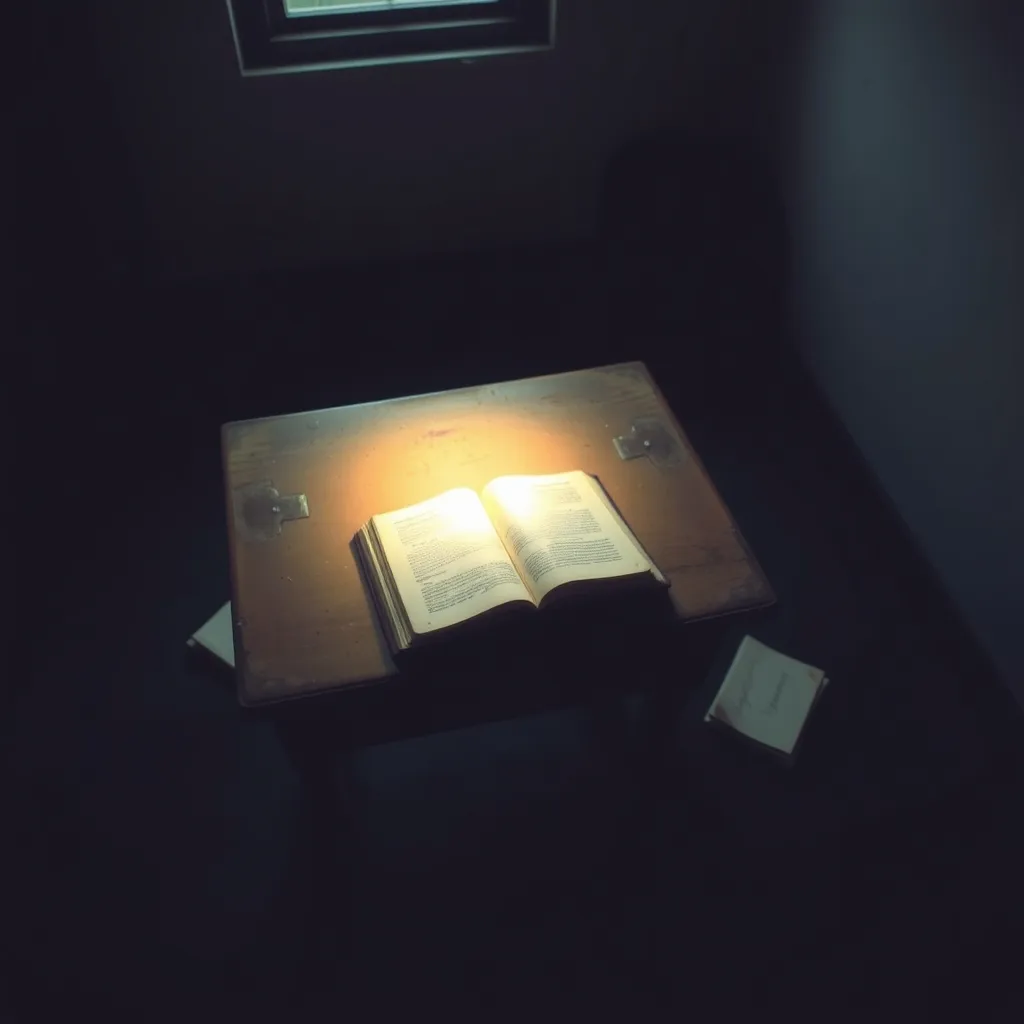
I've always been fascinated by the concept of microfiction - telling big stories in tiny spaces. It's a challenge that requires precision, creativity, and a deep understanding of the human experience. As a writer, I've found that microfiction has helped me hone my craft, distill my ideas, and connect with readers on a deeper level. In this post, I'll explore the power of microfiction and why it's an essential tool for any writer looking to improve their skills and push the boundaries of storytelling.
One of the key benefits of microfiction is its ability to cut through the noise and get straight to the heart of the matter. With limited space, writers are forced to be concise, to strip away unnecessary words and focus on the essential elements of the story. This requires a keen sense of editing and a willingness to kill your darlings - those precious words and phrases that may be beautiful but don't serve the story. By distilling your ideas into their purest form, you can create a sense of clarity and focus that's often lacking in longer works.
Another advantage of microfiction is its versatility. Microfiction can take many forms - from flash fiction to prose poetry, from sci-fi to romance. It can be used to explore complex themes, to experiment with new styles, or to simply tell a compelling story. Whether you're a seasoned writer or just starting out, microfiction offers a unique opportunity to try new things, to take risks, and to push the boundaries of what's possible in a short amount of space.
The Art of Suggestion
One of the most powerful aspects of microfiction is its use of suggestion. With limited space, writers can't spell everything out for the reader - instead, they must rely on implication, inference, and suggestion. This requires a deep understanding of the reader's psyche, a sense of what they'll bring to the story and how they'll interpret the clues and hints that are scattered throughout the text. By leaving things unsaid, microfiction writers can create a sense of mystery, of intrigue, that draws the reader in and refuses to let go.
Of course, this can be a challenging aspect of microfiction - it requires a delicate balance between giving the reader enough information to follow the story and leaving enough to the imagination. Too much information, and the story feels cluttered and overwhelming; too little, and it feels vague and unsatisfying. But when done correctly, the art of suggestion can be a powerful tool, one that allows writers to create complex, nuanced stories that linger in the reader's mind long after the story is finished.
The Challenge of Constraints
Microfiction is often written within strict constraints - a limited word count, a specific theme or style, a particular tone or mood. These constraints can be daunting, but they can also be liberating. By working within a specific framework, writers can focus on the essentials of the story, rather than getting bogged down in unnecessary details. They can experiment with new forms, new styles, and new techniques, all while staying true to the core of the story.
For example, writing a story in just 100 words requires a level of precision and clarity that's often lacking in longer works. Every word counts, every phrase must be carefully considered, and every sentence must contribute to the overall narrative. This can be a difficult challenge, but it's also a rewarding one - when done correctly, a 100-word story can be just as powerful, just as moving, as a novel that's 10 times its length.
Conclusion and Next Steps
In conclusion, microfiction is a powerful tool for writers, one that offers a unique set of challenges and opportunities. By working within strict constraints, using the art of suggestion, and focusing on the essentials of the story, writers can create complex, nuanced narratives that linger in the reader's mind long after the story is finished. Whether you're a seasoned writer or just starting out, I encourage you to give microfiction a try - you never know what you might discover, what new skills you might develop, or what amazing stories you might tell.
I explored a related angle in Unveiling the Hidden City of Petra if you want to keep pulling this thread.
As you explore the world of microfiction, remember that it's a journey, not a destination. It's a process of discovery, of experimentation, and of growth. Don't be afraid to take risks, to try new things, and to push the boundaries of what's possible. With microfiction, the possibilities are endless, and the rewards are well worth the challenge. So why not give it a try? You might just find that it's the perfect way to tell your next big story - in a tiny space.