Unveiling the Hidden City of Petra
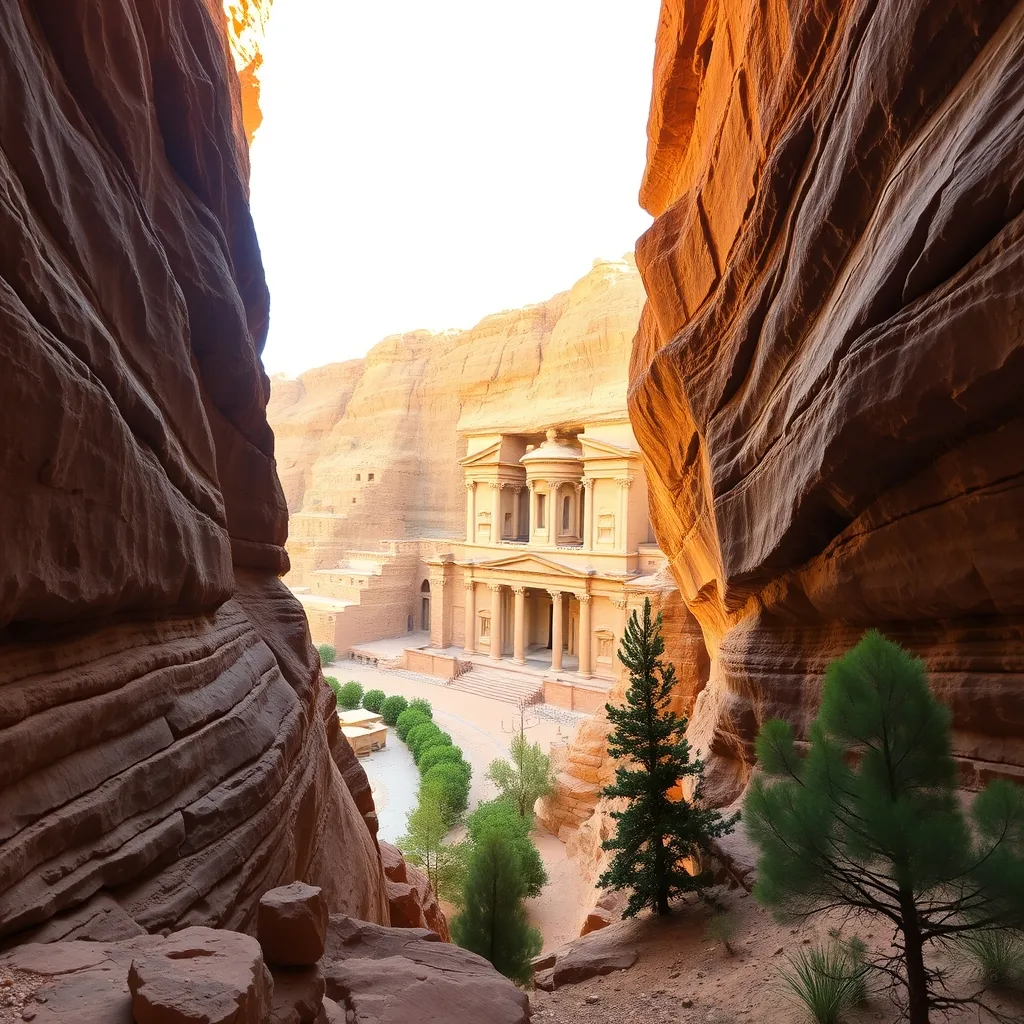
I still remember the first time I laid eyes on the ancient city of Petra, hidden deep within the rugged mountains of Jordan. The sheer scale and majesty of the structures carved into the sandstone cliffs took my breath away. As I delved deeper into the city, I began to uncover the secrets that had been hidden for centuries, and I was determined to share them with the world. The history of Petra is a long and complex one, spanning over 2,000 years, and it is a testament to the ingenuity and craftsmanship of the Nabataeans, the ancient civilization that once called this city home.
The Nabataeans were a nomadic people who settled in Petra in the 6th century BC, and they quickly established the city as a major center of trade and commerce. They were skilled engineers and architects, and they built a sophisticated system of pipes and channels to bring water from nearby springs to the city. This allowed them to support a large population and to cultivate the surrounding land, making Petra a thriving oasis in the desert. As I walked through the city, I was struck by the impressive monuments and buildings that the Nabataeans had constructed, including the iconic Treasury building, which is one of the most recognizable landmarks in Petra.
Discovering the Monuments of Petra
The Treasury building, also known as Al-Khazneh, is an imposing structure that is carved directly into the face of a mountain. It is an astonishing example of Nabataean architecture, with intricate carvings and statues that adorn its facade. The building is believed to have been constructed in the 1st century BC, and it is thought to have been used as a temple or a royal tomb. As I stood before the Treasury, I was awestruck by its sheer scale and beauty, and I couldn't help but wonder about the people who had built it so many centuries ago. The level of detail and craftsmanship that has gone into the construction of the Treasury is truly remarkable, and it is a testament to the advanced engineering skills of the Nabataeans.
As I explored the city further, I came across many other impressive monuments, including the Monastery, which is another iconic landmark in Petra. The Monastery, also known as Al-Deir, is a massive structure that is perched atop a mountain, and it offers breathtaking views of the surrounding landscape. It is believed to have been constructed in the 1st century AD, and it is thought to have been used as a temple or a place of worship. The Monastery is an incredible example of Nabataean architecture, with its intricate carvings and statues, and it is a must-see destination for anyone visiting Petra. The history and significance of the Monastery are still not fully understood, and it remains one of the most fascinating and mysterious monuments in the city.
Uncovering the History of Petra
As I delved deeper into the history of Petra, I began to uncover the secrets that had been hidden for centuries. The city was once a thriving metropolis, with a population of over 20,000 people. It was an important center of trade and commerce, and it was strategically located at the crossroads of several major trade routes. The Nabataeans were skilled merchants and traders, and they established a complex network of trade routes that stretched from the Arabian Peninsula to the Mediterranean Sea. They traded in goods such as spices, textiles, and precious metals, and they became incredibly wealthy as a result. The city's prosperity was also due to its strategic location, which allowed it to control the flow of trade between the East and the West.
Despite its wealth and prosperity, Petra began to decline in the 4th century AD, as the Roman Empire expanded its borders and absorbed the Nabataean Kingdom. The city was eventually abandoned, and it remained hidden for centuries, until it was rediscovered in the 19th century by Western explorers. Today, Petra is one of the most famous and iconic tourist destinations in the world, attracting millions of visitors each year. As I walked through the city, I was struck by the sense of history and culture that permeates every aspect of Petra, from the intricate carvings on the buildings to the vibrant markets and bazaars that line the streets. The city is a true marvel of human ingenuity and creativity, and it is a testament to the enduring power of culture and history.
Preserving the Legacy of Petra
As I stood in the midst of this ancient city, I couldn't help but feel a sense of responsibility to preserve the legacy of Petra for future generations. The city is a fragile and delicate ecosystem, and it requires careful management and conservation to ensure its survival. The Jordanian government has established a number of initiatives to protect the city and its surroundings, including the creation of a national park and a range of conservation programs. These initiatives are crucial to the long-term survival of Petra, and they require the support and cooperation of governments, NGOs, and individuals around the world. By working together, we can ensure that the secrets and wonders of Petra are preserved for generations to come, and that this incredible city continues to inspire and awe people from all over the world.
I explored a related angle in The Secret Archives of Marrakech if you want to keep pulling this thread.
In conclusion, my journey to Petra was a truly unforgettable experience, and it left an indelible mark on my heart and mind. The city is a true marvel of human ingenuity and creativity, and it is a testament to the enduring power of culture and history. As I reflect on my time in Petra, I am reminded of the importance of preserving our cultural heritage, and of the need to protect and conserve our most precious and fragile resources. By doing so, we can ensure that the secrets and wonders of Petra are preserved for generations to come, and that this incredible city continues to inspire and awe people from all over the world. The experience of visiting Petra is one that I will always treasure, and it is one that I highly recommend to anyone who is interested in history, culture, and architecture.