Unveiling the Mystique of Pompeii
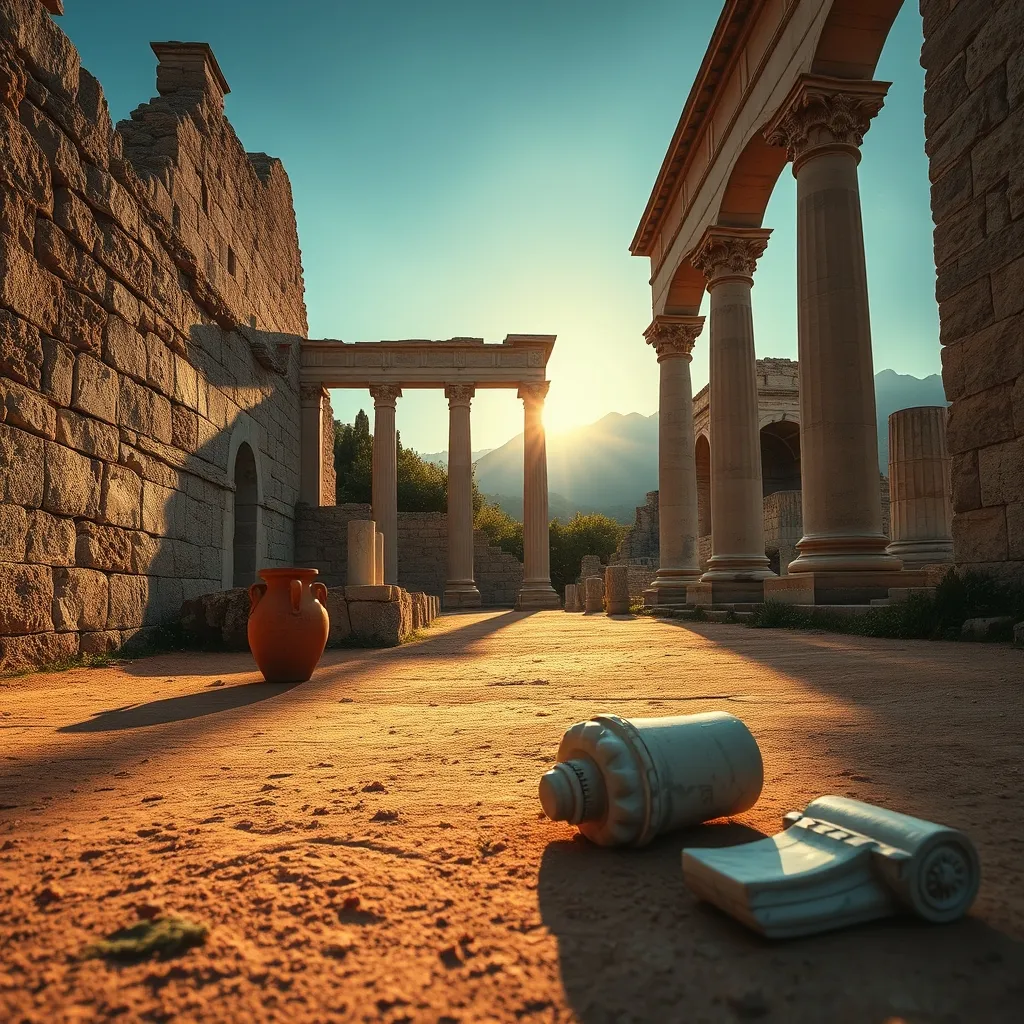
As I delve into the history of Pompeii, I am constantly reminded of the sheer magnitude of the disaster that befell this ancient city. Frozen in time by the devastating volcanic eruption of Mount Vesuvius in 79 AD, Pompeii has become an archaeological wonder, offering a unique glimpse into the daily lives of the people who once called it home. The city's remarkably preserved ruins have captivated the imagination of historians, archaeologists, and the general public alike, providing a fascinating window into the culture, traditions, and customs of ancient Roman civilization.
The excavation of Pompeii has been an ongoing process, with the first digs taking place in the 18th century. As the site was uncovered, archaeologists were astonished by the level of preservation, with many buildings, artifacts, and even the bodies of the inhabitants remaining remarkably intact. The city's streets, homes, and public buildings have been painstakingly restored, allowing visitors to wander through the ancient streets and experience the sights, sounds, and smells of a bygone era. From the impressive amphitheater to the humblest of homes, every aspect of Pompeii seems to tell a story, weaving a complex tapestry of life in ancient Rome.
The Daily Life of Pompeii's Inhabitants
One of the most fascinating aspects of Pompeii is the insight it provides into the daily lives of its inhabitants. The city was a thriving commercial center, with a diverse population of merchants, artisans, and farmers. The ruins of the city's homes, shops, and public buildings offer a glimpse into the social hierarchy of the time, with the grand villas of the wealthy standing in stark contrast to the humble abodes of the poor. The city's inhabitants lived, worked, and played in a vibrant, bustling environment, with the sounds of hammers ringing out from the workshops, the smells of fresh bread wafting from the ovens, and the sights of colorful market stalls lining the streets.
Despite the many advances that have been made in our understanding of Pompeii, there is still much that remains a mystery. The city's inhabitants left behind few written records, and much of what we know about their lives has been pieced together from the artifacts and buildings that they left behind. However, it is this very lack of documentation that makes Pompeii so fascinating, as every new discovery has the potential to shed new light on the lives of the people who lived there. From the intricate mosaics that adorn the floors of the city's villas to the simple, everyday objects that were left behind, every aspect of Pompeii seems to hold a secret, waiting to be uncovered by intrepid archaeologists and historians.
The Cultural Significance of Pompeii
Pompeii's cultural significance extends far beyond its value as an archaeological site. The city has become an iconic symbol of the transience of human civilization, a poignant reminder of the devastating power of nature and the fragility of human existence. The story of Pompeii has captivated artists, writers, and musicians for centuries, inspiring countless works of art, literature, and music. From the haunting paintings of the city's ruins to the dramatic reconstructions of its final days, Pompeii has become a cultural touchstone, evoking a sense of awe, wonder, and reverence in all who encounter it.
As we continue to explore and learn from the ruins of Pompeii, we are reminded of the enduring power of human creativity and ingenuity. Despite being frozen in time for nearly two millennia, the city remains a vibrant, living entity, pulsing with the energy of the people who once called it home. Whether we are historians, archaeologists, or simply curious visitors, Pompeii has the power to transport us to another time and place, inviting us to walk in the footsteps of the people who lived, laughed, and loved in this ancient city.
Uncovering the Secrets of Pompeii
As we move forward in our exploration of Pompeii, it is clear that there is still much to be discovered. New technologies and techniques are being developed all the time, allowing us to study the city and its inhabitants in ever greater detail. From the use of 3D scanning and printing to the analysis of DNA and other biological materials, the tools at our disposal are becoming increasingly sophisticated, enabling us to reconstruct the lives of the people who lived in Pompeii with greater accuracy and precision than ever before.
I explored a related angle in The Lost City of Thonis-Heraklion if you want to keep pulling this thread.
As we continue to uncover the secrets of Pompeii, we are reminded of the importance of preserving our cultural heritage for future generations. The city's ruins are a fragile and finite resource, requiring careful conservation and protection to ensure their survival. By supporting archaeological research and conservation efforts, we can help to ensure that the story of Pompeii continues to be told, inspiring and educating people around the world for centuries to come. Whether we are drawn to the city's history, its culture, or its sheer, breathtaking beauty, Pompeii remains an eternal source of fascination, a timeless and haunting reminder of the power of human creativity and the enduring legacy of the past.