Unveiling Pompeii's Daily Life
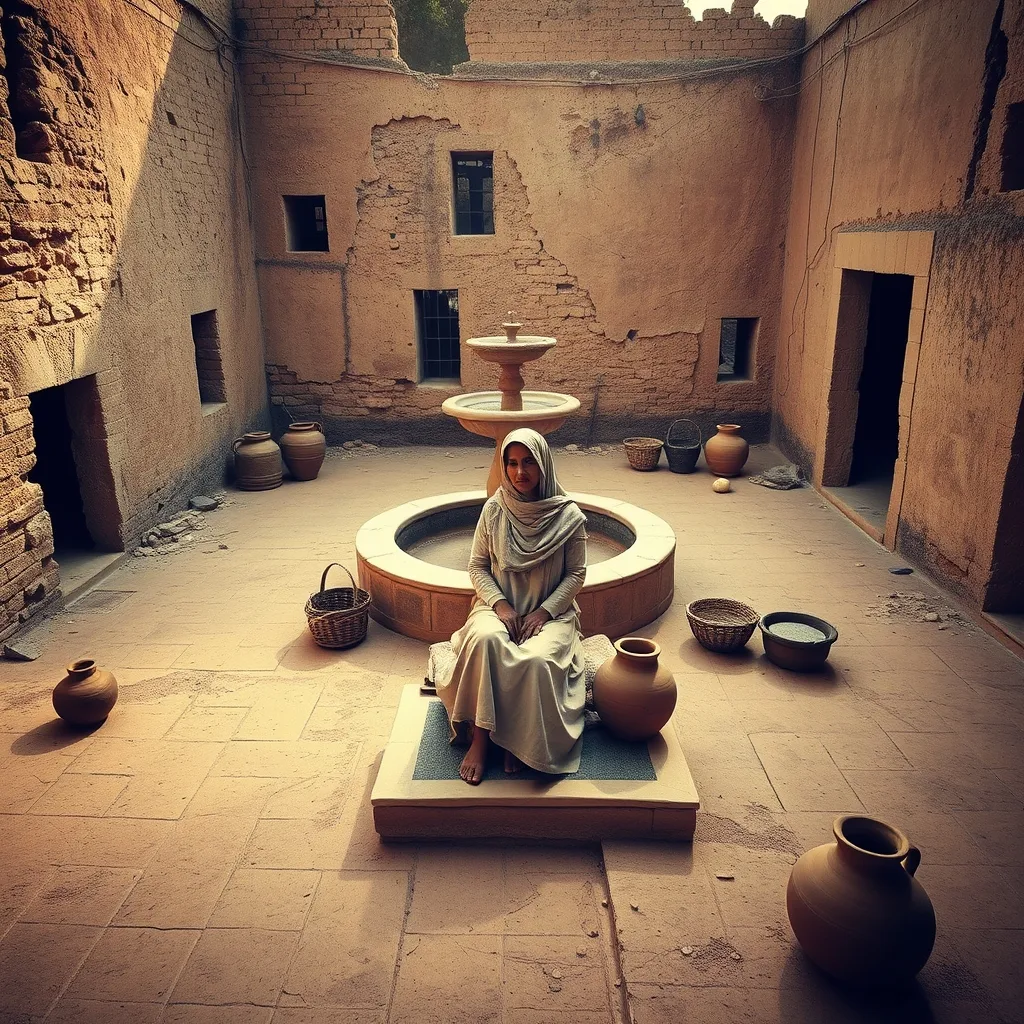
As we delve into the history of ancient Rome, one city stands out for its remarkable preservation and insight into daily life: Pompeii. Frozen in time by the devastating volcanic eruption of Mount Vesuvius in 79 AD, Pompeii offers a unique glimpse into the lives of ancient Romans. From the bustling streets to the intimate details of home life, Pompeii's ruins have yielded a treasure trove of information about the culture, traditions, and everyday experiences of its inhabitants. In this blog post, we'll explore the fascinating aspects of daily life in Pompeii, shedding light on the people, their habits, and the society they lived in.
The daily life of Pompeii's residents was marked by a mix of commercial, social, and cultural activities. The city was a thriving port, with merchants and traders coming from all over the Mediterranean to buy and sell goods. The streets were lined with shops, workshops, and market stalls, where people could purchase everything from fresh produce to luxury items. At the heart of the city was the forum, a public square where citizens gathered to socialize, conduct business, and participate in civic activities. Here, we find the essence of Pompeii's daily life: a vibrant, dynamic community where people from all walks of life interacted and contributed to the city's prosperity.
Home and Family Life
A visit to the excavated homes of Pompeii reveals a great deal about the daily lives of its residents. The houses, ranging from modest dwellings to grand villas, were designed to accommodate the needs of families and their servants. The typical Pompeiian house consisted of a central courtyard, surrounded by rooms that served various purposes, such as reception, dining, and sleeping. The walls were adorned with vibrant frescoes, and the floors were made of beautifully crafted mosaics. These homes not only provided shelter but also reflected the social status and values of their occupants. Family life was at the core of Pompeiian society, with extended families often living together under one roof. The preservation of household items, such as kitchen utensils, furniture, and personal belongings, gives us a glimpse into the daily routines and habits of the people who lived there.
One of the most striking aspects of Pompeiian home life is the emphasis on food and dining. The kitchens were equipped with sophisticated cooking equipment, and the presence of garum (a fish sauce) and defrutum (a fruit syrup) suggests a diverse and flavorful cuisine. The remains of food and drink have been found in the homes, including carbonized bread, olive oil, and wine. These discoveries demonstrate that mealtimes were an essential part of daily life in Pompeii, bringing families and friends together to share in the joys of good food and company.
Work and Leisure
Beyond the confines of the home, the people of Pompeii engaged in a wide range of activities that defined their daily lives. The city was a hub of commerce, with many residents working as merchants, artisans, or laborers. The streets were filled with the sounds of hammers ringing, saws cutting, and people haggling over prices. Pompeii's economy was driven by trade, with goods such as wine, olive oil, and garum being produced locally and exported throughout the Roman Empire. The presence of numerous workshops and factories attests to the city's industrial prowess, with craftsmen producing everything from textiles to metalwork.
Despite the demands of work, the people of Pompeii also valued leisure time. The city boasted several public baths, theaters, and arenas, where citizens could relax, socialize, and enjoy entertainment. The baths, in particular, played a central role in daily life, serving as a place where people could cleanse themselves, exercise, and engage in conversation. The theaters and arenas hosted a variety of performances, including gladiatorial contests, plays, and musical recitals. These public spaces fostered a sense of community and provided a much-needed respite from the rigors of daily life.
Legacy of Pompeii
The excavation of Pompeii has bequeathed us a unique legacy, one that allows us to glimpse the daily lives of ancient Romans with unprecedented clarity. As we explore the ruins of this ancient city, we are reminded of the enduring power of human culture and the importance of understanding our shared heritage. The people of Pompeii, though separated from us by centuries, were not so different from us today. They lived, loved, worked, and played, leaving behind a testament to the universality of human experience. As we continue to uncover the secrets of Pompeii, we are drawn into a rich and vibrant world, one that challenges our assumptions and inspires our imagination.
I explored a related angle in The Secret Archives of the Vatican if you want to keep pulling this thread.
In conclusion, the daily life of Pompeii's residents was a complex tapestry of work, leisure, and social interaction. From the bustling streets to the intimate details of home life, Pompeii's ruins have yielded a treasure trove of information about the culture, traditions, and everyday experiences of its inhabitants. As we reflect on the legacy of Pompeii, we are reminded of the importance of preserving our cultural heritage and the value of exploring the past to inform our present and future. By examining the daily life of ancient Pompeii, we gain a deeper understanding of the human experience and the enduring power of culture to shape our lives.