Why Butter Became a Moral Weapon: How Food Science Turned Cooking Into Ideology
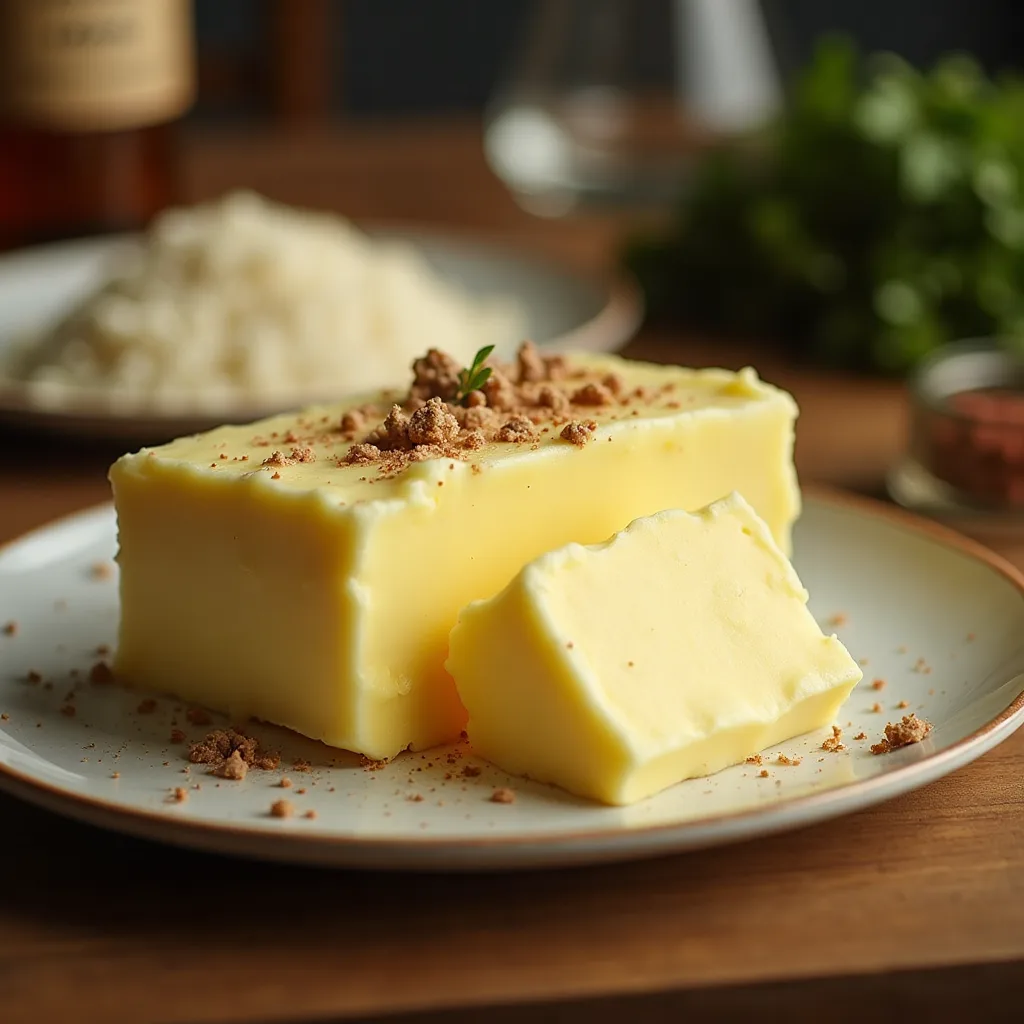
The short answer: Butter versus margarine became a moral battleground because food science gave ordinary cooking ingredients the power to signal health, class status, and cultural identity—transforming a kitchen staple into an ideological statement about what kind of person you were.
How did butter transform from a simple food into a moral and political statement?
Butter became politicized when industrial margarine emerged in the 1870s as a cheaper alternative, and competing industries weaponized health claims, class anxieties, and nutritional science to fight for market dominance. What began as a practical food choice suddenly carried the weight of who you were as a person: Were you wealthy enough for "real" butter, or were you eating artificial substitutes? Were you health-conscious or recklessly ignorant? Were you preserving traditional culture or embracing modern progress?
The story starts in France, where margarine was invented as an affordable fat for the poor and working classes. But when it crossed the Atlantic to America in the late 1800s, dairy farmers saw an existential threat. They launched one of history's first mass food propaganda campaigns, labeling margarine as "oleo" (a term that became a slur), spreading rumors that it was made from rendered horse fat, and lobbying for laws that required margarine to be dyed pink or brown so it couldn't be mistaken for butter. Some states even banned it outright.
This wasn't just business competition—it was class warfare dressed up in food. Butter represented tradition, land ownership, agricultural heritage, and natural purity. Margarine represented factories, chemicals, deception, and the lower classes. The very act of choosing butter became a way to declare your social position and values.
Why did 20th-century nutrition science make margarine seem healthier than butter?
In the mid-1900s, emerging research on saturated fats and cholesterol convinced scientists and doctors that margarine—made from vegetable oils—was a healthier choice than butter's saturated fat, leading to decades of institutional promotion that turned personal diet into a moral health issue.
The science seemed clear: butter contained saturated fat, saturated fat raised cholesterol, and high cholesterol caused heart disease. Margarine, made from vegetable oils, contained polyunsaturated fats that could actually lower cholesterol. Nutritionists, cardiologists, and health organizations lined up to promote margarine as the progressive, scientifically-backed choice. The American Heart Association recommended it. Hospitals served it. Celebrity doctors endorsed it.
But here's where ideology masked itself as objective science. What researchers didn't account for was that margarine manufacturers hydrogenated their vegetable oils to make them solid at room temperature—a process that created trans fats, which proved to be even worse for cardiovascular health than saturated fat. This fact remained largely hidden or downplayed for decades because it didn't fit the dominant narrative.
What made this particularly insidious was how it became moralized. Choosing margarine wasn't just a health decision—it became a sign that you were educated, future-oriented, and responsible about your health. Choosing butter suggested you were either ignorant of nutritional science or recklessly selfish about your own wellbeing. Food had become a mirror reflecting your intelligence, morality, and social awareness.
How did the butter versus margarine debate reflect larger class and cultural divides?
The butter-margarine divide mapped perfectly onto existing class hierarchies, where wealthy Americans could afford "authentic" butter while working-class families were expected to embrace the "scientific" choice of margarine, creating a system where food choices became markers of education, wealth, and cultural sophistication.
In the early 20th century, real butter was expensive. Margarine was cheap—that was its entire purpose. But as the margarine industry grew and nutrition science tilted in its favor, something fascinating happened: the narrative flipped. Suddenly margarine wasn't just affordable, it was enlightened. It was what intelligent, health-conscious people ate. Poor people who ate butter were doing so out of ignorance or stubbornness.
Yet wealthy people never stopped eating butter. They could afford it, and more importantly, they had the cultural authority to dismiss scientific arguments as mere trends. Butter remained the choice of the landed gentry, the established families, the people whose taste was above question. Meanwhile, middle-class Americans, always anxious about getting things "right," followed the nutritional guidelines religiously and switched to margarine.
This created a bizarre inversion: the cheaper, working-class product became associated with scientific progress and modern thinking, while the expensive, traditional product became a luxury good. Both sides could claim moral high ground. Margarine eaters were rational and informed. Butter eaters were authentic and traditional. The food itself became a language for expressing your position in the social hierarchy and your relationship to authority.
Similar ideological food battles have shaped cuisine throughout history. Sugar went from luxury commodity to moral panic, while olive oil transformed from utilitarian fuel into a marker of Mediterranean sophistication. And the type of bread a nation produces tells you everything about its power, resources, and values.
What does the butter debate reveal about how we weaponize food science?
The butter-margarine wars demonstrate that food science is never purely objective—industries fund research that supports their products, scientific consensus shifts with new evidence and corporate interests, and ordinary people are caught between competing claims about what will keep them alive.
Consider what happened as trans fats became undeniable villains. The American Heart Association quietly shifted recommendations away from margarine. Nutritionists began rehabilitating butter's reputation. Suddenly, "natural" and "traditional" became selling points again. But this wasn't because new evidence emerged about butter's benefits—it was because the old evidence against it had been incomplete and partly manufactured.
This pattern repeats across food culture. The egg industry funds studies showing eggs are healthy. The dairy industry funds studies promoting milk. Plant-based companies fund studies about the benefits of alternatives. Each side deploys the language of science, health, and progress to advance their economic interests. And regular people, who just want to cook dinner and stay healthy, are left navigating a minefield of competing claims.
The deeper insight is that food science doesn't exist in a vacuum. It's always embedded in economics, power, and cultural values. When we study butter and margarine, we're not just studying molecules and health outcomes—we're studying how power shapes knowledge, how industries manufacture consent, and how people use food choices to position themselves within social hierarchies.
If you're interested in how food reflects culture and power, Flavors of the Motherland explores how cuisine tells the story of identity and heritage. For a deeper dive into the science of cooking itself, The Food Lab breaks down what's actually happening in your kitchen when you cook.
Key Definitions
- Saturated Fat
- A type of fat that is solid at room temperature and was believed to raise cholesterol levels; found naturally in butter, meat, and dairy products.
- Trans Fat
- An artificially created fat produced through hydrogenation of vegetable oils; now widely recognized as harmful to cardiovascular health and largely banned in many countries.
- Hydrogenation
- An industrial process that adds hydrogen to vegetable oils to make them solid at room temperature, creating trans fats in the process.
- Nutritional Consensus
- The general agreement among health organizations and scientists about dietary guidelines; often influenced by research funding and industry interests.
- Food Ideology
- The way food choices become expressions of personal identity, moral values, class status, and cultural belonging beyond their basic nutritional function.
Frequently Asked Questions
- Is butter actually healthier than margarine?
- Current evidence suggests butter is likely preferable to hydrogenated margarine, but the answer depends on the type of margarine (newer versions without trans fats are different from older versions) and on overall diet. Neither is inherently "bad"—the fixation on this single ingredient misses the bigger picture of nutritional health. Moderation and overall dietary patterns matter far more than choosing between these two fats.
- Why did margarine become associated with progress and science?
- Margarine was positioned as the "scientific" choice because it was a manufactured product created through modern industrial processes, and because emerging nutritional research initially suggested vegetable oils were healthier than saturated fat. This allowed margarine manufacturers and health organizations to market it as the choice of educated, forward-thinking people—a powerful psychological appeal that had nothing to do with actual health outcomes.
- How does food science get weaponized by industries?
- Industries fund research that tends to support their products, sponsor nutritionists and health organizations, and shape which studies get published and promoted. This doesn't mean all food science is false, but it means we should be skeptical of strong claims that perfectly align with someone's financial interests. The best approach is to look for research that has been independently verified, contradicted, and debated across multiple competing interests.
The Bottom Line
The butter versus margarine debate was never really about fat and cholesterol—it was about class, identity, and who had the authority to define truth in a modern society. By studying how a simple cooking ingredient became a moral battlefield, we see how food science, industry power, and cultural values intertwine to shape not just what we eat, but who we believe we are. The lesson extends far beyond butter: every food choice we make is silently communicating something about our values, our knowledge, and our place in the world.