Why Butter Became Political: How a Simple Fat Divided Nations and Defined Empires
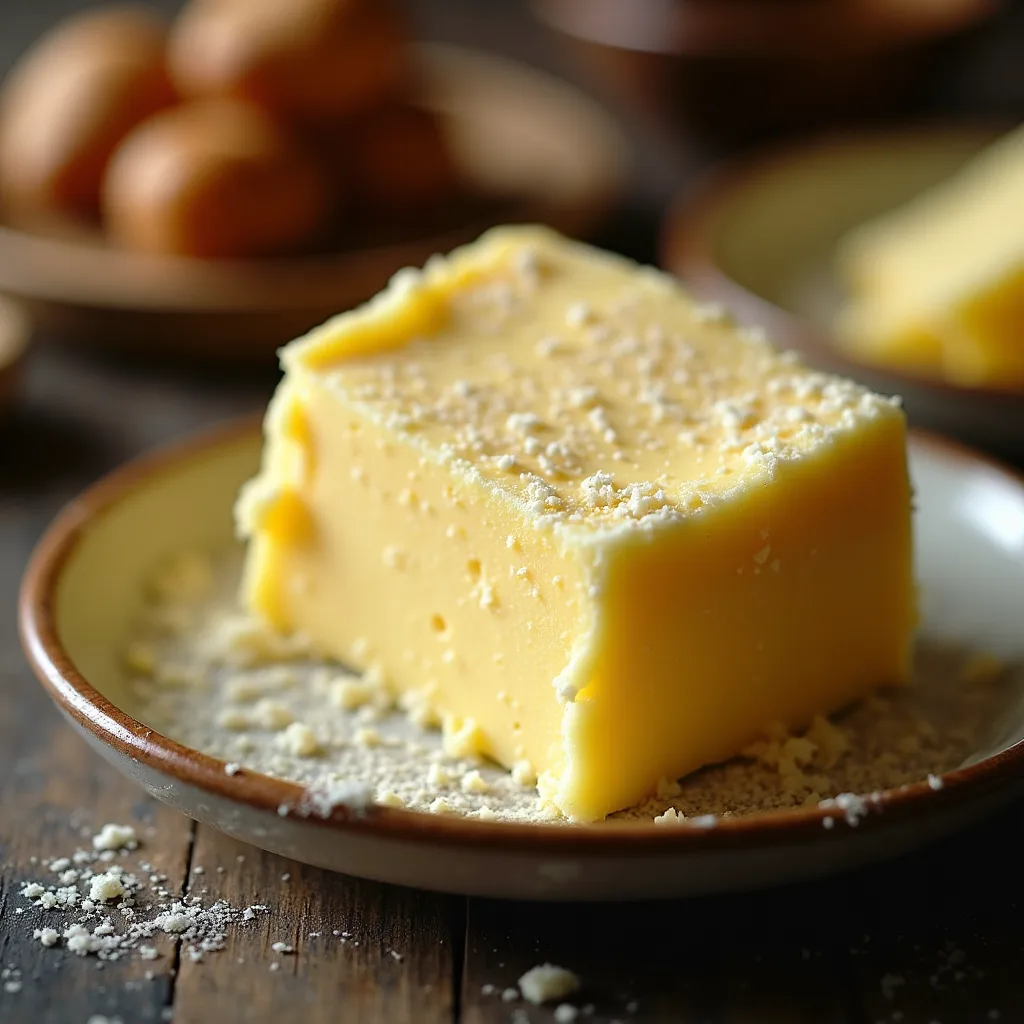
The short answer: Butter became political because it represented wealth, religious identity, and colonial control—Catholic cultures embraced it while Protestant regions favored lard, and empires weaponized dairy production to dominate conquered territories and their economies.
How did butter become a symbol of religious and cultural power?
Butter transcended being merely a cooking ingredient and became a religious and cultural battleground during the Reformation, when Catholic and Protestant regions developed fierce loyalties to different fats. In medieval Europe, butter held immense spiritual significance. The Catholic Church controlled much of Europe's dairy production through monasteries, which bred superior cattle and perfected butter-making techniques. Butter became so associated with Catholic wealth and piety that it was called "the milk of the Christian world."
When the Protestant Reformation split Christendom in the 16th century, dietary choices became declarations of faith. Protestant regions—particularly in Northern Europe and Scandinavia—rejected Catholic butter culture and embraced lard, rendered pig fat, and margarine substitutes. This wasn't accident; it was ideological resistance. To eat butter became a Catholic act. To eat lard became a Protestant one. Families passed down these preferences across centuries, embedding fat choice into ethnic and religious identity so deeply that even today, certain cultures maintain these ancient allegiances in their kitchens.
The Church's monopoly on butter production gave it extraordinary economic and political leverage. Monasteries controlled grazing lands, dairy technology, and distribution networks. Controlling butter meant controlling nutrition, trade routes, and ultimately, populations. This is why butter mattered to empires—it wasn't just food; it was infrastructure.
Why did colonial powers use butter production to dominate other nations?
European colonial empires weaponized butter and dairy farming as tools of economic subjugation, forcing colonized lands to produce dairy for export while destroying local food systems and agricultural sovereignty. When Britain colonized India, Ireland, and New Zealand, it implemented a systematic restructuring of agriculture. Local farmers were forced off productive lands and into tenant farming arrangements where they grew dairy and export crops instead of food for themselves.
Ireland provides the starkest example. During the Great Famine of 1845-1852, Ireland was the world's largest exporter of butter, beef, and dairy products—yet millions starved. The British colonial system had reorganized Irish agriculture so completely that Irish peasants couldn't afford to eat the food they produced. Butter flowed to London while Irish families starved on potatoes. This wasn't incompetence; it was calculated extraction. Colonial butter production enriched the empire while impoverishing the colonized.
New Zealand followed a similar trajectory. The British deliberately developed New Zealand's dairy industry to supply butter to the British Empire, transforming the landscape, displacing Māori populations, and creating an economy entirely dependent on British markets. When refrigerated shipping made long-distance dairy transport possible in the 1880s, New Zealand became Britain's butter factory. The land, the labor, and the wealth all flowed outward.
This pattern repeated across the colonial world: India, Australia, Argentina, and beyond. Butter wasn't just a commodity—it was a mechanism for reshaping entire societies to serve imperial interests. Understanding modern agricultural politics requires recognizing this history.
How did butter become a symbol of economic power and trade dominance?
Industrial nations that controlled butter production and trade accumulated massive wealth and geopolitical influence, using dairy exports as leverage in international relations and economic competition. By the 19th century, butter had become the primary commodity through which nations demonstrated agricultural superiority and economic reach. The Industrial Revolution transformed butter from a seasonal luxury into a mass-produced staple, and whoever could produce it cheapest and most abundantly could dominate global markets.
Denmark revolutionized butter economics in the 1880s by industrializing dairy production through cooperative creameries. Danish butter became the gold standard of European quality and volume, and Denmark's wealth exploded. The nation punched far above its weight in international affairs largely because it dominated butter trade. A small agricultural nation became an economic powerhouse through dairy.
The United States and Soviet Union later weaponized dairy in Cold War competition. The U.S. promoted butter and milk as symbols of capitalist prosperity and abundance. The Soviets countered with their own dairy campaigns. Butter became evidence of which system worked better. Advertising campaigns in the 1950s-60s positioned butter (and milk) as essential to American vitality, directly tying personal consumption to national strength.
This connection between butter production and national power explains why butter quotas, tariffs, and subsidies remain so politically contentious today. Trade wars over dairy aren't really about dairy—they're about economic control and the legacy of empires built on agricultural dominance.
What made butter more valuable than other fats in the power struggle?
Butter became more politically powerful than other fats because it required superior cattle, extensive pastureland, and sophisticated production techniques—making it a marker of civilization, wealth, and technological advancement that empires could monopolize and control.
Animal lard required only pigs and basic processing. Vegetable oils were produced in tropical colonies but often by enslaved or coerced labor without the prestige attached to them. But butter? Butter demanded investment. You needed quality dairy cattle, controlled breeding, extensive grazing lands, dairy technology, cold storage, and skilled production. Only wealthy, organized societies could produce butter at scale and consistency.
This made butter a status symbol. In medieval and early modern Europe, butter on your table meant you had access to resources and modern technology. It signaled civilization itself. Colonial powers leveraged this: they positioned butter production as "development" and "improvement" of supposedly primitive lands. Forcing colonized peoples to produce butter wasn't just economic extraction—it was framed as bringing them into the modern world.
The gatekeeping worked because butter was genuinely harder to produce and preserve than alternatives. This gave whoever controlled the technology and land an enormous advantage. Much like how understanding the unseen engine of kitchen innovation reveals how culinary power operates, butter's technical demands made it a natural lever for empire.
How did butter politics shape modern food systems and agricultural policy?
The legacy of butter politics created modern agricultural subsidies, trade protectionism, and dairy industry consolidation that continues to distort global food systems and disadvantage small farmers. The modern dairy industry is the direct descendant of colonial butter empires. The subsidies that protect European and American dairy farmers exist because butter mattered politically for centuries.
The European Union's Common Agricultural Policy (CAP), established in 1962, maintained high dairy prices and export subsidies specifically to protect the legacy butter industries of member states. These weren't neutral economic policies—they were political decisions shaped by centuries of butter nationalism. Developing nations argued (correctly) that EU subsidies made it impossible for them to compete in dairy markets, perpetuating economic dependency.
Today's butter politics play out in tariffs on New Zealand butter entering the EU, in massive U.S. dairy subsidies, in India's restrictions on dairy imports. These aren't new conflicts; they're echoes of colonial-era struggles over who controls dairy production and wealth. The tactics change, but the fundamental competition for agricultural and economic dominance remains.
For anyone interested in how power operates through food systems, Salt Fat Acid Heat provides essential foundation, while Flavors of the Motherland explores how food choices reflect cultural and political identity across generations.
Key Definitions
- Dairy Colonialism
- The practice of colonial powers restructuring indigenous agricultural systems to prioritize dairy and butter production for export, often at the expense of local food security and sovereignty.
- Butter Politics
- The use of butter production, trade, and consumption as tools of religious control, economic domination, and geopolitical power competition between nations and empires.
- Agricultural Monopoly
- When a single institution (like the Catholic Church's monasteries) or nation controls the technology, land, and distribution networks required to produce a valuable commodity, giving them disproportionate economic and political power.
- Commodity Politics
- The way apparently neutral goods (like butter) become weapons in religious, cultural, and economic conflicts, reflecting deeper power structures and ideological divisions.
The Bottom Line
Butter became political because it represented everything empires needed to control: religious identity, technological superiority, land dominance, and economic power. From medieval monasteries weaponizing butter for the Church to colonial powers restructuring entire societies around dairy production, this humble fat tracked the rise and fall of empires. Understanding butter's political history reveals how food systems encode power relationships and how choices we think are personal—what fat to cook with—are actually shaped by centuries of imperial struggle.
Frequently Asked Questions
- Why did Catholic and Protestant regions develop different attitudes toward butter and lard?
- The Catholic Church controlled Europe's most productive dairy lands through monasteries and perfected butter production, making butter a symbol of Catholic wealth and piety. When Protestantism rejected Catholic authority, Protestant regions deliberately chose lard and other non-butter fats as ideological resistance. These food choices became expressions of religious identity so powerful they persisted for centuries.
- How did the British use butter production to control Ireland during the famine?
- The British colonial system restructured Irish agriculture so completely that Irish farmers were forced into tenant arrangements where they produced dairy and butter for export rather than food for themselves. During the Great Famine (1845-1852), Ireland remained the world's largest butter exporter even as millions starved—the system extracted wealth while denying Irish people access to the food they produced.
- Why do modern dairy subsidies and trade protections exist?
- Modern policies like the European Union's Common Agricultural Policy and U.S. dairy subsidies are direct legacies of centuries of butter nationalism and colonial-era power struggles over dairy production. These subsidies were designed to protect historical butter industries and maintain economic dominance, and they continue today to shape global agricultural competition and disadvantage developing nations.