Why Butter Matters More Than Ingredients: The Technique That Separates Good Cooks From Great Ones
Why Butter Matters More Than Ingredients: The Technique That Separates Good Cooks From Great Ones
The short answer: Mastering the temperature and timing of fat—especially butter—creates better-tasting food than following complex recipes with expensive ingredients, because fat carries flavor, creates texture, and connects all other elements of a dish.
What makes butter and fat more important than fancy ingredients?
Butter and fat are flavor vehicles that amplify every other ingredient in your kitchen, while expensive or rare ingredients alone cannot transform mediocre technique. Many home cooks spend money on premium ingredients—imported olive oils, heritage tomatoes, grass-fed beef—only to produce disappointing meals. The difference isn't the ingredients; it's what you do with fat.
Fat is the primary carrier of flavor compounds in food. When you taste something, you're not tasting individual ingredients—you're tasting how those ingredients have been combined and transformed by heat and fat. A perfect example: two cooks making the same risotto with identical rice and broth. One has mastered the timing of butter addition and emulsification; the other hasn't. The first dish tastes luxurious and creamy. The second tastes gluey and flat. The ingredient list was identical. The technique was not.
Professional chefs understand that Salt Fat Acid Heat is the framework that matters more than any recipe. Of these four elements, fat is the most underestimated by home cooks. Fat slows the release of flavors on your palate, allowing your taste buds to register complexity. Fat creates mouthfeel—that satisfying richness that makes food memorable. And fat is the medium through which the Maillard reaction occurs, the chemical process that creates depth and savory notes in caramelized foods.
How does temperature control with fat separate good cooks from great ones?
Great cooks control the temperature of fat precisely, understanding that different temperatures create different chemical reactions that either build or destroy flavor. This single skill changes everything.
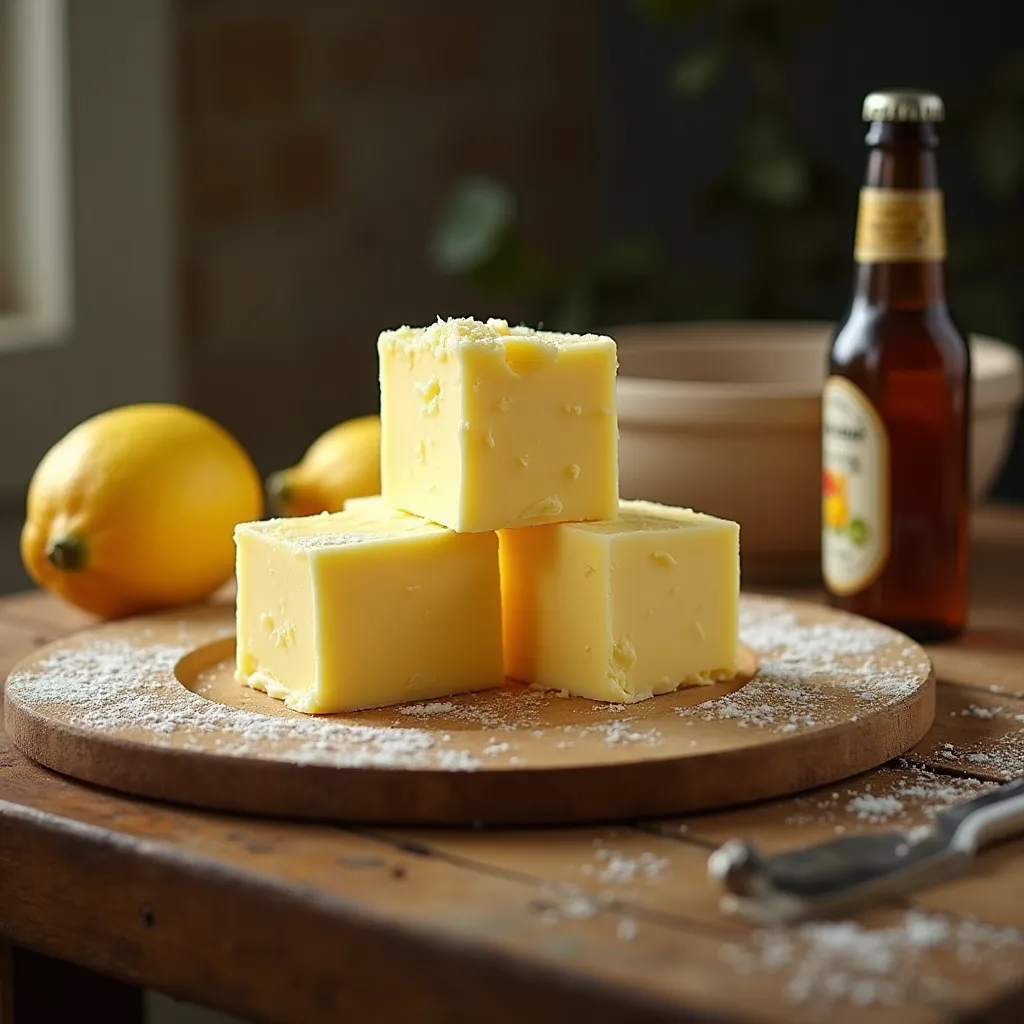
Consider butter: it doesn't melt at one temperature—it transitions through distinct phases. Whole butter begins melting around 90°F (32°C), but its milk solids burn at around 350°F (175°C). Between those points, butter can be clarified, browned, or beurre noir, each with different flavor profiles and uses. A good cook follows a recipe. A great cook knows that when sautéing mushrooms, you need the pan hot enough to drive off moisture and create browning (around 350°F), but you need enough fat present to prevent sticking before the mushrooms release their liquid. Timing and temperature, not ingredients, determine whether those mushrooms taste earthy and complex or steamed and bland.
The same principle applies to oil. Olive oil heated to its smoke point (around 375-405°F depending on quality) breaks down and creates bitter, acrid flavors. But olive oil heated to 300°F creates rich, savory notes through Maillard reactions. Vegetable oil, with a higher smoke point (around 450°F), is better for high-heat cooking. A great cook chooses fat based on the temperature required for the dish, not based on prestige or cost.
Harold McGee's On Food and Cooking documents how fat chemistry determines flavor development at the molecular level. When you understand this, you stop relying on recipes and start thinking like a chef—making intentional choices about how to deploy fat to create the exact texture and flavor you want.
Why do restaurants prioritize butter and fat technique over ingredient sourcing?
Restaurants train their cooks obsessively on fat technique because it's the most reliable way to make every dish taste exceptional, regardless of which ingredient supplier they use on any given day. A Michelin-starred restaurant doesn't serve better food because they have access to better tomatoes than you do. They serve better food because their cooks have spent thousands of hours learning to extract maximum flavor through technique.
Consider a basic French omelet. The ingredients are humble: eggs, butter, salt. Yet a properly executed French omelet tastes transcendent—silky, delicate, perfectly set. An American-style omelet, made with the same eggs and butter but cooked at a higher temperature with faster timing, tastes completely different: slightly rubbery, more substantial, less refined. Same ingredients. Different fat management and temperature control. The French technique requires understanding exactly when to pull the pan off heat, how much residual heat will continue cooking the eggs, and how to use a spatula to fold the curds while butter keeps them from sticking. This is technique. This is what separates competent cooks from exceptional ones.
Restaurants also understand that fat is forgiving in a way fancy ingredients are not. A premium ingredient must be handled delicately—overcooked, it's wasted money. But mastering fat technique means you can take good (not premium) ingredients and make them taste premium through proper cooking. This is why restaurant food tastes better than home cooking, even when the home cook buys better ingredients.
What are the most important fat techniques every cook should master?
The four foundational fat techniques are: emulsification (combining fat with liquid), browning (Maillard reactions at the right temperature), tempering (controlling temperature to set fat without breaking it), and infusion (extracting flavor into fat).
Emulsification is how you create sauces like hollandaise or mayonnaise—combining fat with a liquid or acid to create something with texture and body. The technique requires patience and understanding: add fat too quickly to cold liquid, and the emulsion breaks. Master this, and you can create restaurant-quality sauces in your home kitchen.
Browning is how you create the fond—those caramelized bits stuck to the pan that contain concentrated flavor. High enough heat, dry enough conditions (which is why you pat proteins dry before cooking), and the right amount of fat creates a crust. Low heat and too much fat creates steaming. This is the most important technique to practice repeatedly.
Tempering is used in chocolate work and caramel-making. Understanding that fat has different crystal structures at different temperatures allows you to control texture. A tempered chocolate looks glossy and snaps when you break it; untempered chocolate looks dull and has a grainy texture.
Infusion is how you transform neutral oil into a flavor-delivery system. Slow-heating garlic in oil, infusing chili heat into butter, or steeping herbs in fat—these techniques make fat work harder for you. Great cooks often make flavored butters and oils as mise en place (preparation) before service, so they can finish dishes with one addition.
How does fat technique connect to flavor in ways that expensive ingredients cannot?
Fat carries and amplifies flavor compounds that exist in food but remain inaccessible without proper fat application and heat management; expensive ingredients cannot compensate for poor fat technique. This is why a simple pasta aglio e olio (pasta with garlic and oil) tastes extraordinary in a Roman trattoria but mediocre in most home kitchens. The difference is how the oil is heated, how the garlic is cooked, and the timing of pasta water incorporation.
The connection to umami—the savory fifth taste—is essential here. Umami was hidden from Western science for decades, but it's central to cooking. Fat facilitates umami perception. Glutamates and nucleotides (umami compounds) dissolve in fat more efficiently than in water. This is why a soup made with chicken stock alone tastes less savory than one finished with a touch of butter—the fat makes the umami compounds more bioavailable to your taste receptors. Umami changed cooking more than salt ever did, and understanding fat's role in umami delivery is central to why technique beats ingredients.
Key Definitions
- Maillard Reaction
- A chemical reaction between amino acids and reducing sugars that occurs at high temperatures, creating brown color and complex, savory flavors. This is the reaction that creates crust on seared meat, browning on bread, and depth in caramelized vegetables. It requires fat to prevent sticking and facilitate heat transfer.
- Emulsification
- The process of combining two normally immiscible liquids (fat and water) into a stable mixture by using an emulsifier (like egg yolk) and proper technique. Hollandaise, mayonnaise, and vinaigrettes are emulsified sauces. Temperature and timing are critical.
- Smoke Point
- The temperature at which fat begins to break down visibly, producing smoke. Different fats have different smoke points: butter burns around 350°F, olive oil around 375-405°F, and refined vegetable oil around 450°F. Cooking fat above its smoke point creates bitter, acrid flavors and breaks down nutritional compounds.
- Fond
- The flavorful browned bits stuck to the bottom of a pan after cooking meat or vegetables. Fond contains concentrated, caramelized flavors and is deglazed (dissolved with liquid) to create pan sauces. Creating good fond requires proper fat management and heat control.
- Tempering
- The controlled heating and cooling of fat (especially chocolate) to specific temperatures, allowing fat crystals to form in a stable structure. This creates shine, snap, and proper texture. Without tempering, chocolate is dull and grainy.
- Mise en Place
- French for "everything in its place"—the practice of preparing and organizing all ingredients and components before cooking begins. Professional cooks often prepare flavored butters and infused oils as part of mise en place, allowing them to finish dishes with pre-made, perfectly-timed fat applications.
The Bottom Line
Mastering butter and fat technique—understanding temperature, timing, emulsification, and browning—creates better food than buying expensive ingredients and following recipes. Every great cook, from home kitchen to Michelin kitchen, builds their foundation on fat technique because fat is the most powerful tool for flavor development, texture creation, and ingredient transformation. Start practicing temperature control with fat today, and you'll immediately taste the difference in every dish you make.
Frequently Asked Questions
- Can I use oil instead of butter for all cooking?
- Not ideally. Butter and oil have different smoke points, flavor profiles, and emulsification properties. Butter contains milk solids that brown and add flavor at moderate temperatures but burn at high heat. Oil is better for high-heat cooking. Some dishes require butter for flavor and technique (French sauces, pastries, finishing); others work better with oil. Great cooks choose based on the temperature and flavor profile needed, not habit or cost.
- How do I know if my fat is at the right temperature?
- Use a thermometer when learning, but develop visual and sound cues. Fat that shimmers and moves easily is around 300°F; fat that barely smokes is near its smoke point. When you add food to fat, it should sizzle immediately with an aggressive sound (indicating immediate browning) rather than a gentle hiss (indicating too-low temperature). Practice these cues, and you'll develop intuition that goes beyond any recipe instruction.
- Why does restaurant food taste richer than my home cooking even when I use the same ingredients?
- Restaurants use significantly more fat (butter, oil, cream) than home cooks typically use, combined with superior fat technique and temperature control. They also use finishing techniques—a pat of cold butter added to a sauce, a drizzle of finishing oil—that home cooks skip to save calories or cost. If you match restaurant fat quantities and technique, your food will taste similar. Start by using more fat than you think necessary and mastering temperature control; the flavor difference will be immediately noticeable.