Why Butter Tastes Better in France (And What That Reveals About Food)
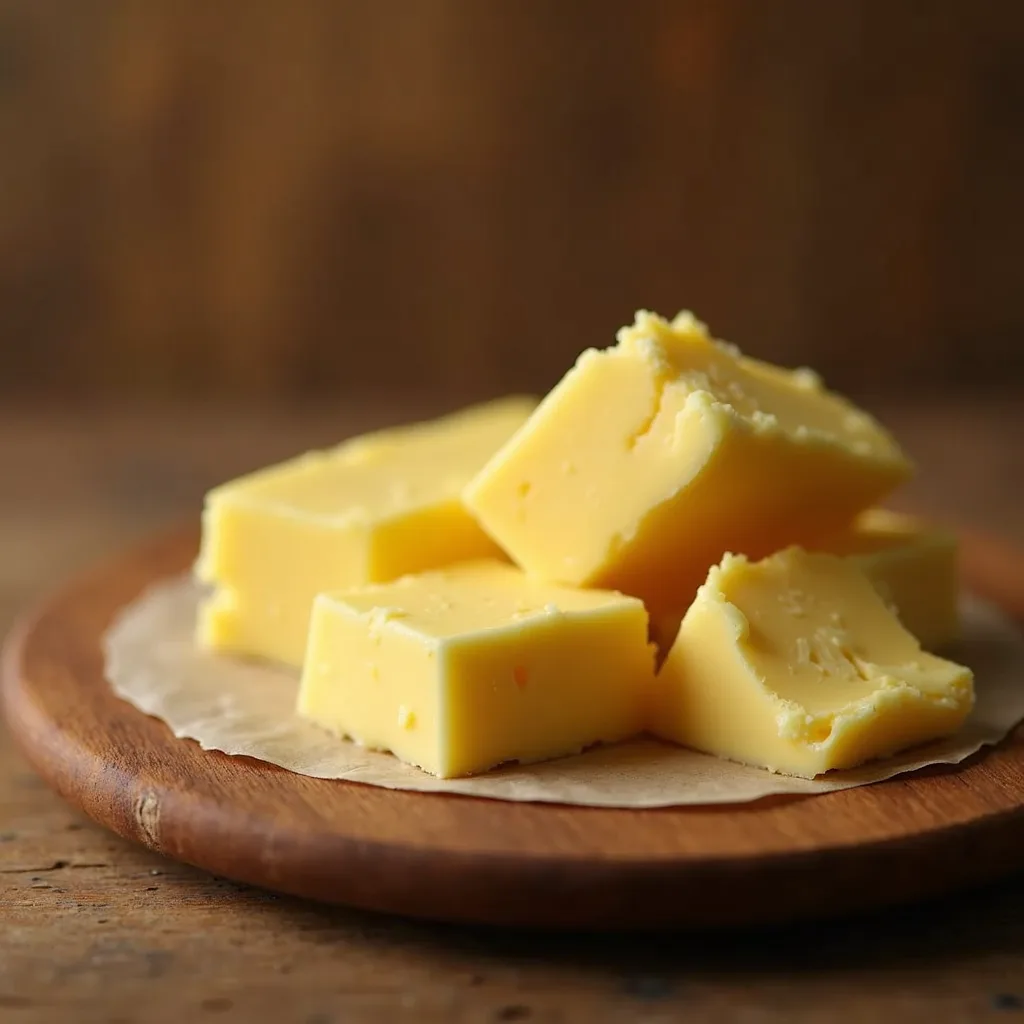
The short answer: French butter tastes better because it contains more fat (86% versus 80% in American butter), comes from grass-fed cows eating diverse pastures, and undergoes traditional production methods that preserve natural flavor compounds—while most industrial American butter is stripped of complexity to maximize shelf stability and profit margins.
Why Butter Tastes Better in France (And What That Reveals About Food)
Most people have never tasted real butter.
That's not an exaggeration. It's a fact wrapped in industrial efficiency, supply chain optimization, and the slow replacement of flavor with convenience. You've likely eaten butter your entire life—spread it on toast, used it in cooking, melted it over vegetables. But unless you've had French butter, cultured butter from a small producer, or butter made from grass-fed cream, you've been eating a food product engineered to survive warehouse shelves, not to delight your palate.
The story of butter reveals something deeper: how we've traded genuine taste experiences for the illusion of choice, and how one ingredient exposes the gap between what food could be and what industrial systems have decided it should be.
What makes French butter taste different from American butter?
French butter tastes fundamentally different because of higher butterfat content, traditional fermentation processes, and milk sourced from grass-fed cows grazing on biodiverse pastures. These factors combine to create a complexity of flavor that industrial butter simply cannot match.
The numbers tell part of the story. French butter—particularly AOC-protected butter from regions like Normandy and Brittany—must contain at least 86% butterfat. American butter? The USDA standard is 80% minimum. That 6% difference might sound trivial, but in butter, those percentage points are the difference between silky richness and waxy blandness. The remaining percentage is water and milk solids, but in higher-quality butter, those solids carry flavor compounds that American industrial producers actively remove.
The other critical difference is how the butter is made. French butter is often cultured, meaning the cream ferments before churning. This fermentation process—similar to how yogurt develops tang—creates lactic acid and encourages the development of secondary flavor compounds. The result tastes slightly tangy, more complex, more alive on the tongue. American industrial butter is typically made from sweet, pasteurized cream with no fermentation. It's faster, more consistent, and more forgettable.
Then there's the question of what the cows eat. French dairy cows grazing on pastures filled with clover, wildflowers, and diverse grasses produce milk with a different biochemical profile than cows fed year-round on commodity corn and soy in confinement. Grass contains beta-carotene, which gives grass-fed butter a slight yellow hue and contributes to a richer, more complex flavor. Industrial American dairy farms prioritize feed efficiency and milk volume over any consideration of milk quality. The result is nutritionally adequate but organoleptically—that's the fancy word for "relating to sensory perception"—inferior.
Why did American butter become less flavorful over time?
American butter lost flavor because post-WWII food industrialization prioritized shelf stability, standardization, and cost reduction over taste, with manufacturers removing natural compounds and switching to commodity feed to maximize production efficiency.
After World War II, American food production underwent a seismic shift. Wartime innovation in chemistry, refrigeration, and logistics created infrastructure for industrial-scale food manufacturing. Butter, like everything else, got caught in this transformation.
The shift happened gradually, then suddenly:
First, the feed changed. Pasture-based dairy farming requires labor and land. Commodity corn and soy are cheaper, more concentrated, more controllable. By the 1960s, most American dairy cows lived indoors year-round, eating grain-based feed optimized for milk production volume, not milk quality. The milk they produced was whiter, less complex, less variable—and less delicious.
Second, the process got standardized. Industrial butter makers wanted consistency above all else. They pasteurized cream at higher temperatures to eliminate any bacterial cultures (considered "spoilage" in industrial logic). They stopped fermenting. They bleached the cream if it was too white. They added salt as a preservative and masked off-flavors. The goal wasn't to make better butter—it was to make predictable butter that wouldn't surprise anyone, wouldn't go rancid in a warehouse, wouldn't require refrigeration for extended distribution.
Third, flavor compounds got stripped away. When butter contains more water and fewer milk solids, it spreads more evenly and looks more appealing. Manufacturers discovered that reducing the milk solids also reduced any "off-flavors" that came from actual dairy farming—the reality that real milk has complexity, variation, and occasionally funkiness. Industrial butter was whitewashed, literally and figuratively.
This wasn't a conspiracy. It was rational economic behavior. American butter manufacturers were solving the right problem for their business model: how to make butter cheaply, consistently, and shelf-stable. They succeeded spectacularly. They also erased the entire reason butter was worth eating in the first place.
Does grass-fed butter actually taste better?
Yes—grass-fed butter tastes noticeably richer, more complex, and more buttery because grass contains flavor compounds and nutrients that corn-based feed doesn't, and these compounds concentrate in the cream and ultimately the butter.
This is measurable, not mystical. Grass contains hundreds of volatile organic compounds—natural chemicals that contribute to aroma and taste. When a cow eats diverse pasture, those compounds pass into her milk. When that milk becomes butter, they concentrate. The beta-carotene in grass gives butter a deeper yellow color. The various plant compounds create subtle notes: herbaceous, slightly floral, with more depth than the one-note flavor of grain-fed butter.
If you've ever had salted butter from a farmers market or a French creamery, you know the experience. It tastes buttery. The flavor blooms on your tongue. You can taste the difference between butter and everything else on your plate. It makes you aware you're eating butter—which sounds obvious until you realize that industrial butter is so neutral it disappears completely into whatever food surrounds it.
Grass-fed butter also has a higher proportion of omega-3 fatty acids and conjugated linoleic acid (CLA), compounds with potential health benefits. Whether you care about that is a separate question, but the point is: the diet of the cow leaves its fingerprint on the finished product. Industrial efficiency erases that fingerprint.
What does the butter industry not want you to know?
The butter industry doesn't want consumers to understand that "butter" is a category with enormous variation in quality, or that most commercial butter is a standardized product engineered for shelf stability rather than flavor, because acknowledging this would require raising prices or changing production methods.
This is where economics meets deception. Butter is labeled butter. It meets the legal definition of butter. But the difference between Land O'Lakes and a small-batch cultured butter from a regional creamery is as vast as the difference between a mass-produced romance novel and literary fiction—they're technically the same category, but one requires skill and care and the other requires optimization for volume.
The industry has succeeded in normalizing industrial butter so completely that most people have no reference point for real butter. When someone tastes French butter for the first time, the reaction is often: "Is this... is this different?" The answer is yes, radically yes, but our food system has erased the possibility of knowing that.
This connects to something deeper about food systems that extends far beyond butter. We've been taught to value certain attributes—consistency, appearance, shelf life, low cost—while being made invisible to other attributes that humans actually care about: flavor, complexity, the awareness that you're eating something real. As food writer Michael Pollan has documented extensively, industrial food systems are built on this invisibility.
Key Definitions
- Cultured Butter
- Butter made from cream that has been fermented with lactic acid bacteria before churning, creating a slightly tangy flavor and more complex taste profile than sweet butter made from unfermented cream.
- Butterfat Content
- The percentage of fat in butter, with French butter typically at 86% or higher and American butter at 80% minimum; higher butterfat content produces richer texture and more intense flavor.
- Volatile Organic Compounds
- Natural chemical compounds released by plants and concentrated in animal products, which contribute to aroma and flavor perception; grass-fed dairy products contain more diverse compounds than grain-fed.
- Organoleptically
- Relating to sensory perception through taste, smell, sight, touch, and hearing; the quality of food as experienced through the senses rather than measured chemically.
The real lesson: Why ingredient quality matters more than you think
The butter story is actually a parable about food, culture, and choice. On the surface, it's about bovine diet and fermentation chemistry. But the deeper lesson concerns the decisions we've made about what food is for.
In France, butter is understood as a fundamental ingredient that deserves attention. There are controlled designations (AOC), regional pride, cultural identity attached to butter. Normandy butter is not interchangeable with Breton butter. Butter matters. It's taken seriously.
In America, butter is a commodity. It's a standardized input. As long as it's 80% fat and doesn't smell like rancid feet, it's acceptable. The focus has been on making it cheaper and more available, not on making it delicious. And we've collectively agreed to this trade-off so completely that we don't even recognize we made it.
This is relevant to understanding everything in modern food. The butter example shows us how industrial optimization can erode quality so gradually that an entire population loses the reference point for what they've lost. Most Americans genuinely don't know what good butter tastes like because they've never experienced it. The same is true for tomatoes, eggs, bread, chicken—dozens of foundational foods that have been systematically reduced to their most efficient, least flavorful versions.
Understanding this isn't about snobbery or elitism. It's about recognizing that you have choices, and those choices have consequences. When you taste real butter—the kind that was actually made rather than manufactured—it's not a luxury indulgence. It's a recalibration. It helps you understand what flavor actually is, and what you've been missing.
If you're interested in how seemingly small food choices reflect larger systems of production and value, you might also explore why umami is the fifth taste we ignored for centuries, or understand deeper how butter matters more than technique in restaurant cooking. For a comprehensive dive into how individual ingredients drive flavor, consider reading Salt Fat Acid Heat, which fundamentally explains how four elements—not expensive techniques or rare ingredients—create delicious food.
The Bottom Line
French butter tastes better because it's made from higher-butterfat cream, often cultured traditionally, sourced from grass-fed cows—while American industrial butter prioritizes consistency and shelf stability over flavor. Most people have never experienced the difference because industrial standardization has erased our reference point for what butter could taste like. The real insight is that this pattern extends across nearly all industrial food: we've chosen efficiency over flavor so completely that we've forgotten what we lost.
Frequently Asked Questions
- Is French butter actually better for you, or just better-tasting?
- French butter is both. It tastes better because of richer flavor compounds and higher butterfat content. It may also be marginally better for you because grass-fed butter contains higher levels of omega-3 fatty acids and conjugated linoleic acid (CLA), though the differences are not dramatic enough to be a primary health concern. The more important truth is that real butter, used in moderation, is a legitimate food, while industrial butter is more of a processed product engineered for shelf life.
- Can I find good butter in America?
- Yes, though you'll pay more for it. Look for cultured butter from brands like Vital Farms, Kerrygold (Irish grass-fed), or local creameries. Farmers markets often have regional butter producers. The key indicators are: cultured (fermented), grass-fed or pasture-raised cows, and higher butterfat content (look for 84% or higher). Expect to pay $6-8 per pound instead of $3-4, but a pound of real butter lasts longer because you use less—the flavor is more intense, so you need less to satisfy.
- Does cooking with expensive butter make a difference?
- For cooking at high heat, not significantly—the subtle flavor compounds burn away. Reserve better butter for finishing dishes, spreading on bread, or making beurre blanc. For applications where butter is a primary ingredient (like buttercream, beurre blanc, or simply melted over vegetables), the quality is noticeable and worth the cost. For baking, mid-range cultured butter is a good compromise between flavor and value.