Why Umami Changed Cooking More Than Salt Ever Did
The short answer: Umami—the fifth taste discovered in 1908—fundamentally transformed how food is seasoned and combined because it activates savory satisfaction at a neurochemical level that salt alone cannot achieve, yet Western kitchens ignored it for nearly a century while Asian cuisines built entire culinary traditions around it.
Why Umami Changed Cooking More Than Salt Ever Did
When Japanese chemist Kikunae Ikeda isolated umami in 1908, he wasn't just naming a taste sensation—he was identifying the hidden language that explains why certain foods make us crave more bites, why a pinch of Parmesan transforms a dish, and why a bowl of ramen broth can feel more satisfying than a perfectly salted steak.
Salt has been humanity's workhorse seasoning for millennia. It preserves, it enhances, it draws moisture. But umami does something more primal: it triggers our brain's reward system by mimicking the amino acid glutamate, signaling protein richness that our ancestors relied on for survival. This distinction matters more than culinary fashion—it explains why umami has quietly rewired global cooking in ways salt never could.
What exactly is umami and why did the West ignore it for so long?
Umami is the savory taste produced by glutamate and nucleotides like inosinate and guanylate, recognized as the fifth basic taste alongside sweet, salty, sour, and bitter—yet Western food science dismissed it as pseudoscience until the 21st century.
Ikeda's discovery came from studying the taste of kombu seaweed broth. He identified a flavor distinct from salt, sweetness, or any known sensation. He called it "umami" (roughly, "pleasant taste"). The scientific community largely shrugged. Food scientists in Europe and America viewed taste through a narrow lens: salt, sugar, acid, and bitterness. A fifth taste felt unnecessary, almost implausible.
This wasn't stupidity—it was cultural blindness. Western culinary theory had built itself on French classical technique, which emphasized salt and fat as its primary tools. There was no institutional reason to investigate what Asian cooks already knew: that long-simmered broths, aged cheeses, and fermented pastes held a different kind of flavor power.
The turning point came around 2000, when neuroscience confirmed umami receptors on the tongue. Suddenly, Western chefs and food manufacturers raced to catch up. They realized they'd been leaving flavor intensity on the table for generations. Today, umami is inescapable in food product development—it's why processed foods taste so compelling, and why understanding it matters for both professional cooks and conscious consumers.
How did umami-rich cuisines achieve what Western cooking couldn't?
Asian cuisines built umami-layering into their core techniques through fermentation, long-cooking, and ingredient combinations that Western chefs treated as separate culinary traditions rather than a unified flavor strategy.
Japanese cooks developed dashi—a broth built on kombu and bonito flakes, both naturally high in glutamate and inosinate. This wasn't experimental. It was foundational. Every major Japanese dish rests on umami-rich stock. Similarly, Chinese cooking relies on fermented sauces and slow-braised broths. Korean cuisine weaponizes fermented pastes like gochujang and doenjang. Italian cooking, unexpectedly, created deep umami through aged Parmigiano-Reggiano and long-simmered tomato sauces—but for centuries, Italian chefs didn't have a name for what they were doing.
The difference between umami-aware and umami-blind cooking shows up instantly in results. A French beurre blanc (butter and reduction) tastes clean and bright. A dashi-based emulsion tastes savory and mouth-filling. Both are technically excellent. But one activates deeper satisfaction. This isn't subjective preference—it's neurochemistry. Umami compounds bind to taste receptors that signal amino acid intake, triggering the same neural pleasure pathways as achieving a goal or consuming protein-rich food.
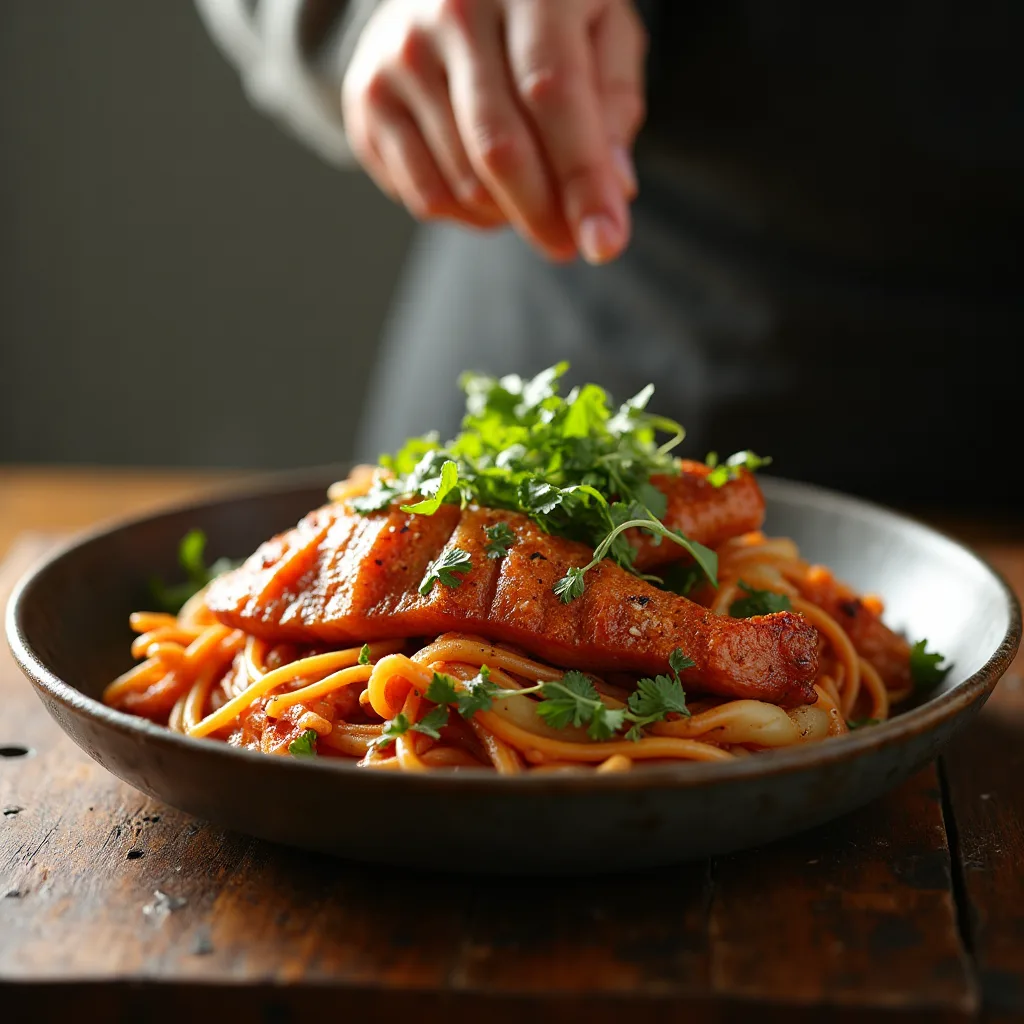
For a deeper dive into how technique shapes flavor, pasta shapes affect more than texture—they distribute umami-rich sauces differently.
What changed in Western cooking once umami was scientifically validated?
Once Western food science confirmed umami receptors in 2000, chefs and food manufacturers rapidly reformulated dishes and products to layer umami, transforming everything from restaurant cooking to packaged foods.
The pivot was swift and dramatic. Michelin-starred chefs began studying umami combinations. They added parmesan to unexpected dishes. They extended cooking times to deepen glutamate concentration. They layered fermented and aged ingredients not as exotic flourishes but as core strategy.
In food manufacturing, umami became currency. Monosodium glutamate (MSG)—the compound Ikeda had isolated—suddenly appeared in marketing as a "flavor enhancer" rather than a suspicious additive. Processed food companies realized they could achieve satisfaction with less salt, less sugar, and less fat by strategically deploying umami. This had real public health implications: reducing sodium while maintaining palatability became possible.
The restaurant world saw umami as permission to rethink their foundations. If you read through Salt Fat Acid Heat, Samin Nosrat acknowledges that understanding these four elements is essential—but umami adds a fifth dimension to her framework. Chefs who understood this gained competitive advantage. They could make food taste dramatically better by understanding the science behind why.
How does umami's impact differ fundamentally from salt's?
Salt preserves, enhances existing flavors, and balances sweetness and bitterness—but umami satisfies hunger signals directly, making food feel more complete and protein-rich, which is why umami-rich dishes require smaller portions but produce greater satiation.
Salt has worked for millennia because it's versatile. It suppresses bitterness, amplifies sweetness, and makes flavors pop. It's a lever you can pull. But salt doesn't signal fullness or nourishment—it just makes food taste better.
Umami works differently. When you taste umami, your brain interprets it as protein and amino acids. This is why a ramen broth tastes more "complete" than salty water. Why aged Parmesan creates lasting satisfaction. Why a tomato sauce built on long cooking and umami ingredients can sustain you more effectively than a heavily salted but umami-poor sauce.
This matters practically: chefs trying to reduce sodium can achieve satisfaction by increasing umami. Home cooks can build more flavorful dishes with less salt by understanding umami layering. Food manufacturers can create more satisfying products that don't depend entirely on salt, sugar, and fat.
The historical irony is sharp: Western culinary tradition treated salt as the master key to flavor. It was the dominant seasoning, the preservation tool, the fundamental seasoning of every kitchen. But salt was only half the story. Umami is the fifth taste capitalism initially missed, but once discovered, it revealed what Asian cooking traditions had known all along: that certain flavor combinations create a completeness that pure salt can never achieve.
Key Definitions
- Umami
- The fifth basic taste, produced by glutamate and nucleotides (inosinate and guanylate), perceived as savory, mouth-filling, and deeply satisfying. It signals amino acid and protein presence to the brain.
- Glutamate
- An amino acid that triggers umami taste receptors. Found naturally in aged cheeses, fermented foods, tomatoes, mushrooms, and broths.
- Inosinate
- A nucleotide that creates umami taste, particularly abundant in meat broths, fish, and mushrooms. Works synergistically with glutamate to intensify savory perception.
- Dashi
- A foundational Japanese stock made from kombu seaweed and bonito flakes, both naturally high in umami compounds. The base for most Japanese soups and sauces.
- Monosodium Glutamate (MSG)
- The sodium salt of glutamic acid, isolated by Kikunae Ikeda. A flavor enhancer that concentrates umami taste, controversial in public perception but scientifically recognized as safe by most food authorities.
The Bottom Line
Umami changed global cooking more profoundly than salt because it fundamentally reorganized how chefs think about satisfaction, satiation, and flavor depth—moving from salt as a surface-level enhancement tool to umami as a neurochemical signaling system that makes food feel complete. While Western cuisine ignored umami for a century, Asian traditions built entire culinary systems around it, and once the West finally understood the science, it realized it had been missing a crucial dimension of flavor all along. Today, umami is reshaping everything from restaurant technique to food manufacturing, proving that understanding the fifth taste isn't just culinary fashion—it's the foundation of truly satisfying food.
Frequently Asked Questions
- Is MSG dangerous, and how does it relate to umami?
- MSG is the concentrated sodium salt of glutamate, the compound that produces umami taste. Decades of scientific research by organizations including the FDA and WHO have found MSG safe for most people at normal consumption levels. The "MSG scare" of the 1960s-80s was largely driven by cultural prejudice against Asian food rather than evidence. MSG is simply a way to intensify umami, the same sensation you get from aged Parmesan, tomatoes, or mushroom broth.
- What are the most umami-rich foods I can cook with?
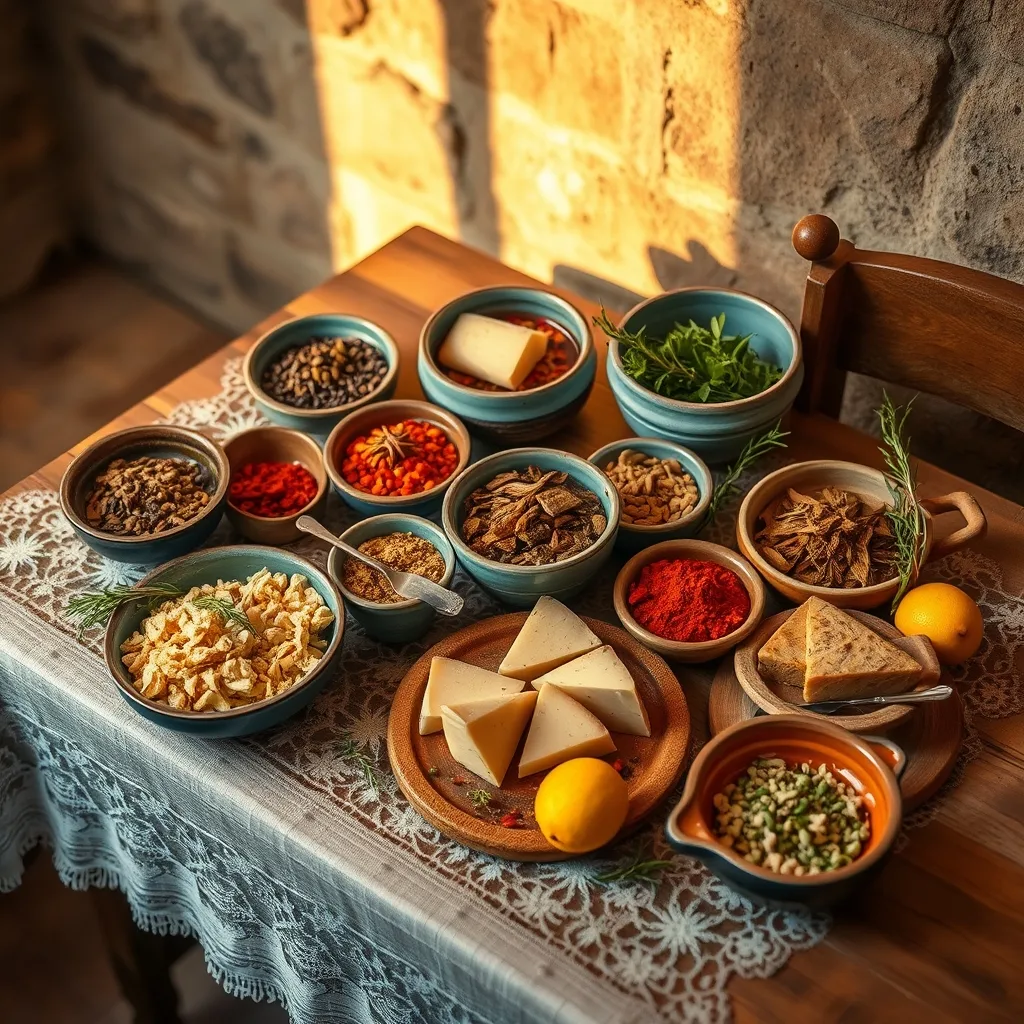
- High-umami foods include aged cheeses (Parmigiano-Reggiano, Gruyère), fermented products (soy sauce, miso, anchovies), tomatoes, mushrooms, beef broth, fish sauce, kombu seaweed, and cured meats. Layering multiple umami sources—like anchovy, tomato, and Parmesan in a single dish—creates synergistic intensification that makes food taste dramatically more satisfying.
- Can I reduce salt in my cooking by using more umami?
- Yes. Since umami signals satiation and satisfaction independently of salt, you can reduce sodium while maintaining or even increasing flavor intensity by building in umami-rich ingredients and long-cooking techniques. This is particularly useful for people managing sodium intake for health reasons, and it's why professional chefs now think of umami as a core tool for flavor without relying solely on salt.