Why Umami Is the Flavor That Changed Cooking Forever
The short answer: Umami—the fifth taste discovered in 1908—transformed cooking from intuitive improvisation into measurable science by identifying the savory compounds (glutamates and nucleotides) that make food deeply satisfying, allowing chefs to intentionally layer flavor instead of stumbling upon it by accident.
Why Umami Is the Flavor That Changed Cooking Forever
For centuries, cooks worked blind. They had four tastes to work with—sweet, salty, sour, and bitter—and they used them like a painter with only four colors on a palette. But something was missing. A depth. A roundness. A "fifth something" that no one could quite name.
Then in 1908, a Japanese chemist named Kikunae Ikeda tasted a bowl of kombu seaweed broth and realized what he was experiencing didn't fit into any of the four established taste categories. It was savory, meaty, mouth-filling, deeply satisfying. He called it "umami"—a Japanese word meaning "pleasant taste" or "deliciousness."
That single discovery didn't just add a fifth taste to our vocabulary. It rewired how we cook, eat, and understand flavor itself. What once was hunches and heritage became measurable science. And that changed everything.
What exactly is umami and how does it work?
Umami is the taste of amino acids and nucleotides—specifically glutamates and nucleotides like guanosinate (GMP) and inosinate (IMP)—that trigger specialized taste receptors on your tongue and in your mouth, creating the sensation of savory richness and mouth-filling satisfaction.
When Ikeda isolated the compound responsible for that seaweed broth's depth, he identified monosodium glutamate (MSG)—an amino acid that naturally occurs in foods like aged cheese, ripe tomatoes, mushrooms, and fermented products. But umami isn't just about MSG. It's also triggered by nucleotides like inosinate (which is abundant in meat broths and fish) and guanylate (found in seaweed and vegetables).
Your taste buds have specific receptors for umami—they're distinct from the receptors for sweet, salty, sour, or bitter. When umami compounds bind to these receptors, they don't just register as "savory." They create a full-mouth sensation, a lingering finish, and a biological signal to your brain that you've found something nutritious and worth eating. Umami signals protein. It signals amino acids. It signals survival.
This is why umami feels different from other tastes. Sweet can be one-note. Salty is sharp. But umami wraps around your palate and doesn't let go. It makes you want another bite.
How did umami change the way chefs cook?
Once umami was scientifically identified and understood, chefs shifted from relying on intuition and trial-and-error to deliberately layering umami-rich ingredients and techniques to create deeper, more complex, more satisfying dishes.
Before Ikeda's discovery, cooks didn't consciously think: "I need glutamates here." They just knew that adding Parmesan cheese, or reducing a beef stock for hours, or fermenting something made food taste "better." They were accidentally building umami layers without knowing why it worked.
After umami was named and mapped, cooking became intentional. A chef could now ask: How do I build umami in this dish? Do I add aged cheese? Tomato paste? Fish sauce? Do I slow-cook to concentrate glutamates? Do I use fermented ingredients?
This is why restaurant cooking transformed in the 20th and 21st centuries. Professional chefs studied umami the way wine experts study tannins. They learned that umami combines with other tastes—umami + salt is addictive, umami + acid is complex, umami + heat is craveable. Japanese chefs had been intuitively doing this for centuries (dashi broths are umami foundations), but now Western kitchens could reverse-engineer why Asian cuisine was so compelling.
The result? More intentional seasoning. More depth with less salt. Richer broths made faster through concentrated umami instead of 12-hour simmers. Vegetables that tasted meaty because they were layered with umami rather than protein.
This connects directly to how the original recipe is a lie—and that's what makes cuisine beautiful. Once cooks understood umami, they stopped copying recipes blindly and started understanding the principles underneath them. They could adapt, improve, and create.
What are the most common sources of umami in food?
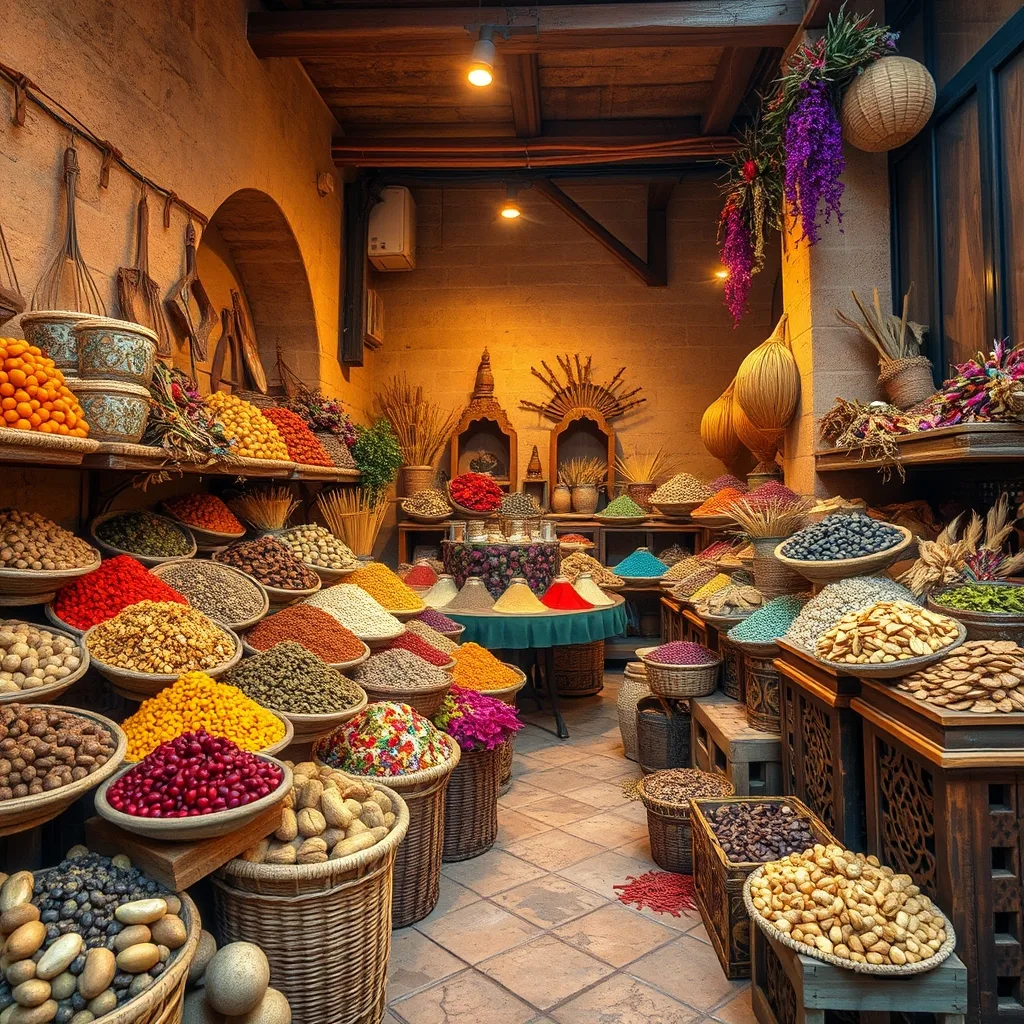
The richest natural sources of umami include aged cheeses (Parmesan, cheddar), fermented foods (soy sauce, miso, fish sauce), cured meats (prosciutto, salami), tomatoes (especially paste and sun-dried), mushrooms (especially shiitake and porcini), seafood (anchovies, shellfish, dashi), and long-cooked broths.
Here's a practical guide:
Cheeses: Parmesan, pecorino, aged cheddar, and blue cheese are umami bombs because aging breaks down proteins into free glutamates. A pinch of Parmesan can make a mediocre soup taste restaurant-quality.
Fermented foods: Soy sauce, miso paste, fish sauce, and Worcestershire sauce are umami concentrates. They're what Japanese and Southeast Asian cooking have been built on for generations. A teaspoon can anchor an entire dish.
Tomatoes: Fresh tomatoes have glutamates, but tomato paste—where water has been removed and glutamates concentrated—is a umami powerhouse. This is why Italian cooking relies on it so heavily.
Mushrooms: Shiitake, porcini, and dried mushrooms are glutamate-rich. They're why vegetable broths made with mushrooms taste as meaty as bone broths. They're also why mushrooms were the gateway to umami for Western vegetarians and vegans.
Meat and fish: Beef, chicken, and fish broths develop umami through cooking, but it takes time. Dried seafood—anchovies, bonito flakes, dried scallops—deliver instant umami because the drying process concentrates inosinate. This is why a tiny amount of anchovy paste can deepen a Caesar dressing without anyone tasting fish.
Broths and stocks: Long, slow cooking breaks down proteins and releases glutamates. This is why grandmothers have always known that the best flavor comes from patient cooking. They were extracting umami without the language for it.
As Steve Monas explores in Flavors of the Motherland, understanding these ingredient foundations is crucial to building a cooking practice that goes beyond recipes.
Why did umami take so long to discover?
Umami was invisible to Western science for centuries because European and American food traditions never isolated it as a taste category, and the scientific establishment was slow to accept umami as a legitimate fifth taste until the year 2000, when taste receptors for umami compounds were finally identified and verified.
This is a fascinating blind spot in culinary and scientific history. Asian cultures—particularly Japanese—had been cooking with umami intention for at least a thousand years. Dashi broths are built on umami. Miso fermentation develops it. But Western food science, which developed in 19th-century Europe, only recognized four tastes and assumed that was complete.
When Ikeda proposed umami in 1908, he was largely dismissed. Western scientists said: "No, those are just combinations of the four tastes you already know." It took decades of research, and specific discoveries of umami taste receptors in 2000, before the Western scientific community officially accepted umami as legitimate.
This delay meant that Western cooking evolved without understanding one of its own most powerful tools. Italian cooking developed rich, umami-forward dishes (tomato paste, aged cheese, anchovy) without the scientific framework to explain why they worked so well. French cooking layered umami through meat stocks and reductions without knowing it was doing so.
But once the truth was finally accepted, everything accelerated. Food scientists could now study why certain combinations were so compelling. They could help restaurants understand how to reduce sodium while maintaining satisfaction (by increasing umami instead). They could explain why some foods were addictive and others fell flat.
Related to this is how food connects us across time and distance—because umami is one of the deep reasons why certain dishes transcend culture and generation. Umami satisfies something ancient in us.
How has umami knowledge changed modern restaurants and food science?
Professional chefs and food scientists now intentionally combine umami sources to create layered, deeply satisfying flavors, reduce sodium without losing taste appeal, develop plant-based dishes that feel meaty, and engineer foods to be crave-worthy—transforming umami from an accident into a deliberate design tool.
In top-tier restaurants, umami is now discussed openly. Chefs strategize umami layering the way they plan plating. A dish might combine Parmesan (glutamate), mushrooms (glutamate), fish stock (inosinate), and fermented black garlic (glutamate + umami from fermentation). Each ingredient hits umami through a different compound, creating depth that feels complex even though the ingredient list is simple.
In food science, umami research has led to remarkable discoveries. Companies now understand how to create satisfying plant-based foods by layering umami instead of trying to replicate meat's texture. Nutritionists understand that umami satisfaction can help people eat less overall—if food tastes deeply satisfying, you need less of it.
In kitchens everywhere, umami has democratized restaurant-quality cooking. A home cook who understands umami—who knows that a pinch of Parmesan, a dash of fish sauce, or a handful of dried mushrooms can transform a dish—suddenly has the professional chef's toolkit in their pantry.
For deeper scientific understanding, The Food Lab breaks down exactly how these flavor compounds work and why umami combinations are so powerful.
Key Definitions
- Umami
- The fifth taste, characterized by savory richness, triggered by glutamates and nucleotides (inosinate and guanylate) binding to specific taste receptors. Means "pleasant taste" or "deliciousness" in Japanese.
- Glutamates
- Amino acids that trigger umami taste receptors. Found naturally in aged cheese, tomatoes, mushrooms, and fermented foods. Monosodium glutamate (MSG) is the most recognized form.
- Inosinate (IMP)
- A nucleotide that triggers umami receptors, abundant in meat broths, fish, and shellfish. Responsible for the savory depth in traditional bone broths and dashi.
- Guanylate (GMP)
- A nucleotide that triggers umami receptors, found in seaweed, mushrooms, and fermented foods. Often works synergistically with glutamates and inosinate.
- Dashi
- A Japanese broth made from kombu seaweed and bonito flakes, intentionally built to maximize umami through inosinate and glutamate combination.
- Umami Layering
- The deliberate combination of multiple umami sources (e.g., cheese + tomato + fermented ingredient) to create depth and complexity in a dish.
The Bottom Line
Umami transformed cooking from guesswork into science. By identifying and understanding the savory compounds that make food deeply satisfying, chefs and home cooks can now build flavor intentionally, create restaurant-quality depth in simple dishes, and understand why certain food combinations have worked for centuries. What was once accident is now design.
Frequently Asked Questions
- Is MSG (monosodium glutamate) the same thing as umami?
- No. MSG is one compound that triggers umami receptors, but umami is the broader taste sensation triggered by glutamates, inosinate, and guanylate. Many foods create umami without added MSG—aged cheese, tomato paste, and mushroom broths all deliver umami naturally. MSG is simply a concentrated form of a naturally occurring umami compound.
- Can you taste umami in every cuisine, or is it specific to Asian cooking?
- Umami appears in every major cuisine. Italian cooking relies on it through tomato paste, aged cheese, and anchovies. French cooking builds it through meat stocks and reductions. Japanese cuisine is intentional about it, using dashi and fermented ingredients as foundations. The difference isn't whether umami exists—it's whether cooks understand and deliberately use it.
- How can I add more umami to my cooking at home?
- Start with your pantry staples: keep aged Parmesan cheese, tomato paste, soy sauce or fish sauce, dried mushrooms, and miso paste on hand. Add a small amount of one or more of these to dishes—a teaspoon of soy sauce in beef stew, a pinch of Parmesan on roasted vegetables, a dash of fish sauce in soup. You'll notice the depth and satisfaction increase dramatically without needing more salt.