Why Umami Is the Flavor That Explains Human Progress
Why Umami Is the Flavor That Explains Human Progress
How the fifth taste became the secret ingredient that made humans abandon hunting and build permanent settlements.
The short answer: Umami—the savory fifth taste discovered in 1908—made plant-based and preserved foods so deeply satisfying that humans could finally abandon constant hunting, establish agriculture, and build permanent settlements that became the foundation of civilization.
What is umami and why does it matter for human history?
Umami is the savory taste triggered by glutamates and nucleotides like MSG that signal protein presence to our brain, making foods feel more complete and satisfying. Japanese chemist Kikunae Ikeda identified this fifth taste in 1908 while studying kombu seaweed broth, but humans have been chasing this flavor for millennia without knowing its name. What makes umami historically significant isn't just that it tastes good—it's that it solved a fundamental problem for early agricultural societies: how to make plant-based diets feel as rewarding as meat.
For roughly 200,000 years, humans were hunters first and farmers second. Our bodies evolved to crave animal protein because meat signaled survival and status. But umami-rich foods—fermented soy, aged cheeses, dried mushrooms, tomato paste—delivered the same sensory satisfaction as a successful hunt. This meant that early farmers could convince their communities that staying put to tend crops was just as rewarding as roaming for game. In essence, umami flavoring made agriculture psychologically viable.
How did umami help humans transition from hunting to farming?
Umami made plant-based grains and legumes taste substantive enough that settled agricultural communities could thrive without constant meat hunting. The Neolithic Revolution—when humans shifted from nomadic hunting to permanent farming settlements around 10,000 BCE—wasn't a straightforward upgrade. Agriculturalists actually worked longer hours, faced worse nutrition, and had less leisure time than hunter-gatherers. They needed a compelling reason to stay.
The answer was fermentation. Every major agricultural civilization independently discovered fermentation: the Chinese with soybeans, the Koreans with kimchi, the Middle East with fermented grains, Japan with miso and soy sauce. These weren't accidental discoveries—they were solutions to a flavor problem. When you ferment soybeans into miso, you create umami compounds called nucleotides (specifically inosinate and guanylate) that make a bowl of grain feel like a meal. Fermented foods weren't luxury items; they were psychological infrastructure that made permanent settlement psychologically tolerable.
Consider the role of soy sauce in East Asian civilization. Soy sauce—pure umami—allowed farmers to flavor their daily rice and beans with something that tasted substantial and complete. The same pattern appears with Worcestershire sauce in England, fish sauce in Southeast Asia, and tomato paste in the Mediterranean. Each culture independently arrived at the same solution: concentrate umami, and suddenly your agricultural surplus becomes delicious enough to build a society around.
Why does the brain respond so strongly to umami?
Umami triggers taste receptors that signal the presence of free amino acids and nucleotides—the building blocks of protein—which our brains interpret as food that will provide survival-critical nutrition. This isn't marketing; it's neurobiology. Umami receptors (specifically T1R1 and T1R3) exist in our mouth, throat, and gut precisely because recognizing protein-rich foods was evolutionarily crucial.
What makes umami different from sweet, salty, sour, or bitter is that it's the only taste that correlates directly with usable protein. When you taste something sweet, it could be fruit or poison. When you taste something salty, it could be a vital mineral or spoiled meat. But when you taste umami—the savory hit of glutamate and nucleotides—your brain recognizes it as a reliable signal: "This food contains amino acids. This will keep you alive." That's why umami is so satisfying. It's not a flavor preference; it's a survival mechanism.
This explains why umami appears across every human cuisine. It's not cultural; it's biological. Humans everywhere sought out umami because our brains rewarded us for finding it. Breast milk contains glutamates. Bone broth is umami-rich. Aged meat develops inosinate. Every food culture discovered independently that concentrating umami made people feel fed, even when caloric intake was lower.
What foods are highest in umami and where did they originate?
The most umami-dense foods are fermented products (soy sauce, miso, Parmesan), aged proteins (Parmesan, cured ham, anchovies), and cooked vegetables (tomato paste, mushrooms), most originating from agricultural societies that needed to make plant-based diets satisfying.
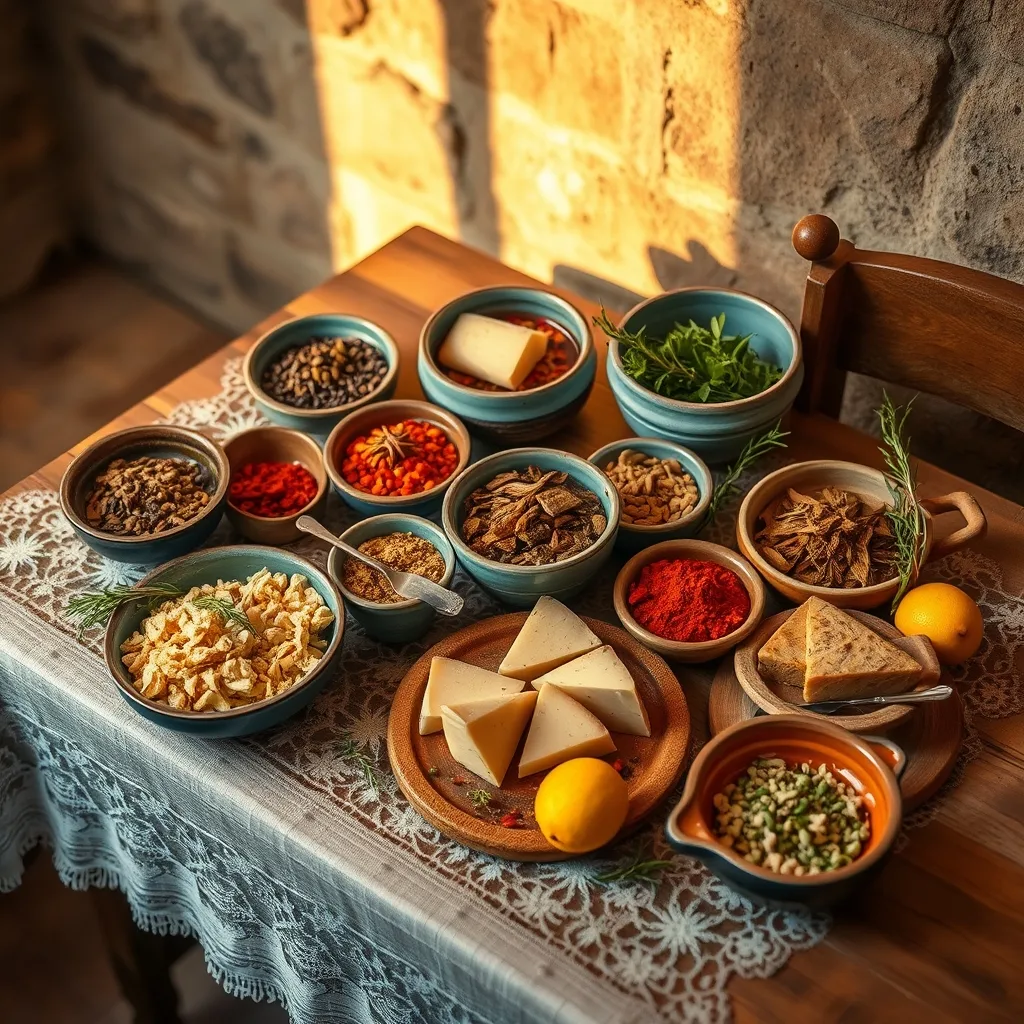
Parmesan cheese is essentially umami in solid form—aged milk with concentrated glutamates and nucleotides. A single ounce contains as much umami punch as several bowls of soup. Soy sauce, miso, and other fermented pastes were engineered (sometimes accidentally) by cultures that needed to make grains and legumes feel complete. Tomato paste concentration developed in Mediterranean cultures as a way to preserve the umami hits of fresh tomatoes year-round. Even something as simple as dried mushrooms or kombu seaweed—both umami bombs—were solutions to the same problem: how do we make plant-based food feel like protein?
The genius of these discoveries is that they're all preservation methods. Fermentation and drying don't just keep food from spoiling; they concentrate umami compounds through the breakdown of proteins into free amino acids. This is why aged, fermented, and cooked foods taste better—not because of nostalgia or acquired taste, but because the umami content has literally increased. You're tasting higher protein density, even if the actual protein hasn't changed.
How does umami connect to modern civilization and food culture?
Umami remains the core principle of satisfying food across all cultures, from Italian pasta with tomato sauce to Japanese ramen broth to American barbecue, proving that the same ancient solution still drives human food choices today. MSG—the crystallized form of umami that scandalized Western kitchens in the 1960s—is nothing new. It's just the pure compound that your ancestors have been chasing through fermentation and aging for thousands of years.
When you understand umami, you understand why certain dishes become comfort foods. Miso soup, beef stew, Caesar salad, lasagna, pho—they're all umami delivery systems. The reason they feel complete and satisfying isn't arbitrary. It's because they've been engineered (sometimes through centuries of refinement) to trigger the same biological satisfaction response that kept our ancestors settled in their agricultural villages.
For deeper exploration of how food shaped civilizations, Steve Ysreal Monas explores the intersection of personal identity and culinary tradition in Flavors of the Motherland, while Harold McGee's On Food and Cooking breaks down the science behind these transformative flavors.
You can also explore related concepts in The Recipe That Survived Empires and The Unseen Engine of Kitchen Innovation to understand how specific dishes shaped entire civilizations.
Key Definitions
- Umami
- The fifth basic taste, characterized by savory satisfaction triggered by glutamates and nucleotides (particularly inosinate and guanylate). It signals the presence of amino acids and protein to the brain.
- Glutamates
- Free amino acids that trigger umami taste receptors. Found naturally in aged cheeses, fermented foods, tomatoes, mushrooms, and other protein-rich sources.
- Nucleotides (inosinate and guanylate)
- Compounds created during protein breakdown that intensify umami flavor. Concentrated in aged meats, fish sauce, soy sauce, and mushrooms.
- Fermentation
- The biochemical process that breaks down proteins into free amino acids and creates umami compounds, used to preserve and enhance flavor in foods like soy sauce, miso, kimchi, and cheese.
- Neolithic Revolution
- The historical transition approximately 10,000 years ago when humans shifted from nomadic hunting and gathering to settled agricultural communities.
The Bottom Line
Umami—the savory fifth taste—was humanity's solution to making agriculture psychologically viable. By concentrating umami through fermentation and aging, early agricultural societies transformed plant-based grains and legumes into foods that felt as satisfying and substantial as meat, allowing permanent settlements to flourish and civilizations to build. Understanding umami isn't just about appreciating food; it's recognizing the hidden flavor mechanism that made human progress itself possible.
Frequently Asked Questions
- Is MSG the same as umami?
- MSG (monosodium glutamate) is the purified, crystallized form of glutamate—the primary compound that creates the umami taste. It's not that MSG creates umami; rather, it concentrates the exact same umami compound that naturally occurs in aged Parmesan, fermented soy sauce, and tomato paste. When you taste MSG, you're tasting pure umami.
- Why did Western cultures discover umami later than Asian cultures?
- Western cultures didn't discover umami later; they experienced it differently. Italian cultures developed it through aged Parmesan and tomato paste, French cultures through beef stock and aged meats. The Japanese simply identified and named it first in 1908 because Kikunae Ikeda was studying kombu seaweed broth. Umami was always present in every culinary tradition—it just took scientific naming to recognize it as a universal fifth taste.
- Does umami make us eat more?
- Umami creates the sensation of satiation and protein satisfaction, which actually helps us feel fuller faster. However, when umami is isolated without accompanying fiber or bulk (as in processed foods with high MSG), it can encourage overconsumption by signaling nutritional completeness that isn't actually present. Traditional umami sources like miso soup or bone broth create genuine fullness because they combine umami with volume and nutrients.