Why Umami Is the Ingredient Nobody Talks About (But Every Chef Knows)
The short answer: Umami is the fifth taste—a savory sensation triggered by glutamates and nucleotides like MSG—that makes food feel satisfying and complete, and it's the secret ingredient every professional chef relies on but few home cooks understand.
What exactly is umami and why does it matter?
Umami is a distinct savory taste separate from sweet, salty, sour, and bitter, created by naturally occurring compounds called glutamates and nucleotides that trigger specific taste receptors on your tongue. The word itself comes from Japanese, meaning "pleasant taste" or "deliciousness," and it's the reason a bowl of bone broth feels deeply satisfying, why aged Parmesan cheese makes you close your eyes, and why a perfectly simmered tomato sauce tastes like comfort.
For decades, Western culinary science dismissed umami as a myth. Four tastes seemed sufficient. But in 1908, Japanese chemist Kikunae Ikeda isolated glutamate from kombu seaweed broth and proved that umami was real—a fifth taste as legitimate as salt or sweet. This wasn't just academic trivia. This discovery explained something chefs had known for centuries: certain ingredient combinations create a kind of culinary magic that transcends simple flavor addition.
The practical importance? Umami is the fifth taste that rewired global cuisine by giving chefs a scientific framework for what they already intuited—that some dishes simply taste incomplete without it. Understanding umami transforms how you cook. It's the difference between a competent dish and one that keeps people reaching for another bite.
Which foods are highest in umami?
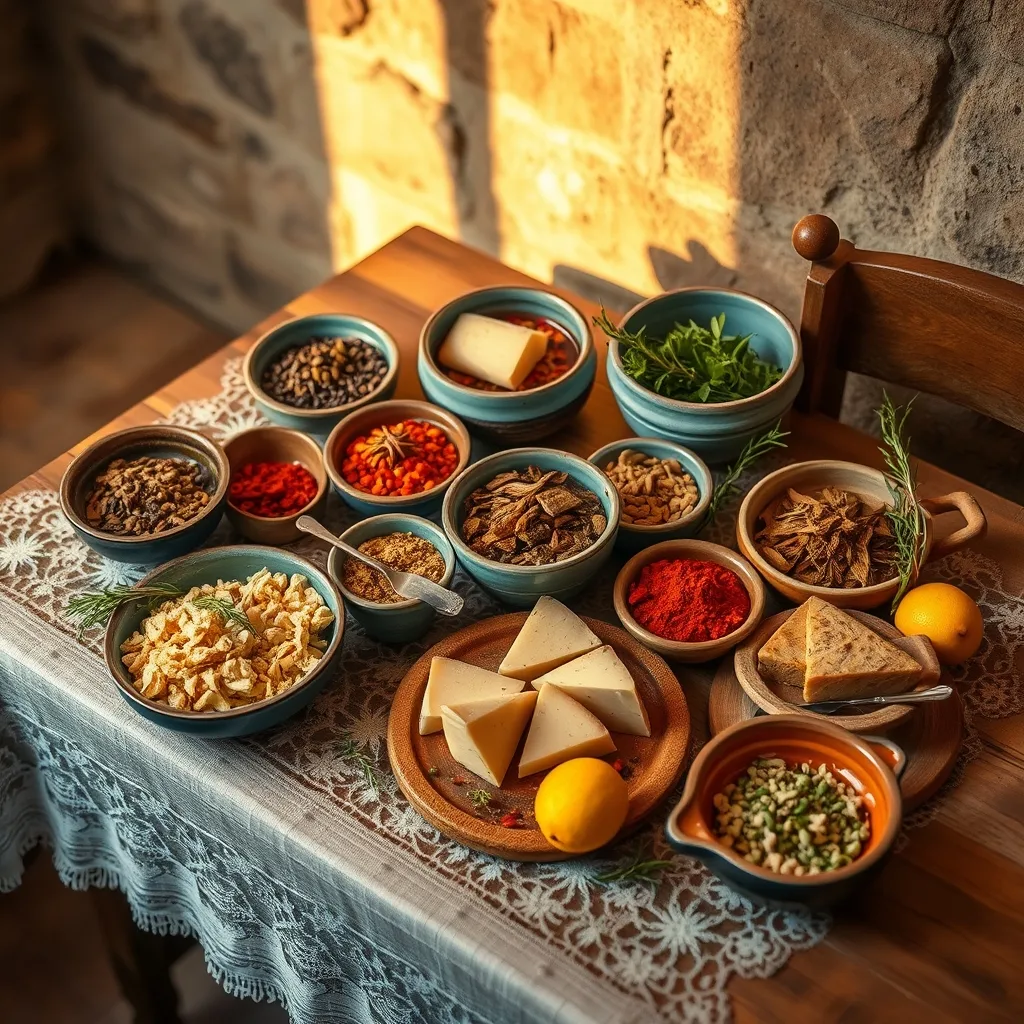
Umami concentrates in aged, fermented, and protein-rich foods like Parmesan cheese, tomatoes, mushrooms, soy sauce, anchovies, cured meats, and broths made from bones and meat. The chemistry explains why: glutamates develop over time as proteins break down during aging and fermentation. This is why a year-old Parmigiano-Reggiano tastes more umami-rich than fresh mozzarella.
Here's a practical list of umami powerhouses:
- Fermented: Soy sauce, miso, fish sauce, tamari, aged balsamic vinegar
- Aged: Parmesan, Gruyère, aged cheddar, prosciutto, pancetta
- Naturally high: Tomatoes (especially concentrated in paste), mushrooms (shiitake especially), seaweed, asparagus
- Umami boosters: Beef stock, chicken stock, dashi, bone broth, anchovy paste
The reason restaurant food often tastes superior to home cooking isn't secret ingredients or fancy equipment—it's umami layering. A professional chef builds umami depth through technique. They reduce stocks to concentrate glutamates. They add a pinch of miso or fish sauce not for those specific flavors, but for the umami undertone. They grate aged Parmesan over finished dishes precisely because it amplifies the savory satisfaction without anyone being able to taste "cheese."
How does umami actually work on your taste buds?
Umami works by triggering specific taste receptors (T1R1 and T1R3) on your tongue and throat, sending signals to your brain that register as "savory" and "deeply satisfying," which is why umami-rich foods often feel more filling than their calorie count suggests.
The biology is elegant. Your taste buds contain receptor cells that bind to glutamate molecules. When this happens, your brain registers satisfaction—not just flavor, but a sense of completion. This is why umami is often called the "savory" taste. It doesn't announce itself like salt or sugar. Instead, it whispers: "This food is nourishing. This food is good. Eat more."
This explains a crucial culinary principle: umami creates what chefs call "mouthfeel"—that impression of richness and depth that makes food memorable. A tomato sauce with umami feels substantial. Without it, the same sauce tastes thin, despite being identical in other respects. Umami was hiding in plain sight until science caught up, but once you understand it, you start seeing it everywhere in professional cooking.
Can you use MSG to add umami, and is it safe?
Yes, MSG (monosodium glutamate) is a pure, isolated form of the umami compound found naturally in foods like tomatoes and cheese, and decades of scientific research confirms it's safe for most people when used in normal cooking quantities.
This deserves clarification because MSG carries unfair stigma. In the 1960s, some people reported symptoms after eating Chinese restaurant food high in MSG, leading to "Chinese Restaurant Syndrome"—a term now considered outdated and scientifically unsupported. Multiple studies, including research from the FDA, have found no evidence that MSG causes harm in normal amounts.
Here's the reality: MSG is simply the sodium salt of glutamic acid, one of the amino acids your body uses every day. The glutamate in aged Parmesan cheese, tomato paste, and soy sauce is chemically identical to MSG. A sprinkle of pure MSG powder on scrambled eggs delivers the same umami as stirring in a spoonful of miso paste—the difference is convenience and price.
Professional kitchens use MSG because it's economical and reliable. A pinch of MSG adds umami depth without requiring you to reduce a stock for hours or wait months for cheese to age. For home cooks, the choice is personal. You can build umami through traditional fermented and aged ingredients, or you can use MSG as a shortcut. Both work. Both are safe.
Why don't more home cooks use umami intentionally?
Most home cooks don't intentionally use umami because culinary education has traditionally ignored it, focusing only on four tastes, and because umami subtly enhances rather than announcing itself like salt or spice.
Umami is invisible in a way that other tastes aren't. If you oversalt a dish, everyone notices. If you oversweeten dessert, it's obvious. But if you under-umami a sauce, people don't think, "This needs umami." They think, "Something's missing," or "This tastes flat." It's the absence people sense, not umami itself.
Additionally, Western cooking education lagged behind Asian culinary traditions in understanding umami. While Japanese and Chinese cooks have built their cuisines around umami principles for centuries—through stocks, fermented pastes, and layered ingredient combinations—European and American cooking relied more heavily on salt, acid, and fat for flavor depth. Both approaches work, but one consciously names and leverages umami while the other stumbles toward it.
The good news? Once you understand umami, your cooking improves immediately. You start tasting why a pinch of anchovy paste elevates a beef stew. You understand why finishing a dish with grated Parmesan makes it satisfying. You recognize that pasta water shapes culinary power partly because it carries starch that binds fat and umami compounds. You become intentional instead of intuitive, and intention always beats intuition in cooking.
Key Definitions
- Umami
- The fifth taste, characterized by a savory sensation, triggered by glutamates and nucleotides like inosinate and guanylate. It activates specific taste receptors and creates a sense of satisfaction and fullness.
- Glutamate
- An amino acid that, in free form (not bound in protein), triggers umami taste receptors. It develops naturally during aging, fermentation, and protein breakdown.
- MSG (Monosodium Glutamate)
- The sodium salt of glutamic acid, a pure, isolated form of umami compound used as a seasoning. Chemically identical to naturally occurring glutamates in foods like tomatoes and cheese.
- Nucleotides
- Compounds like inosinate (IMP) found in meat broths and guanylate (GMP) found in seaweed that trigger umami taste receptors, often working synergistically with glutamates.
- Umami Layering
- A cooking technique where multiple umami-rich ingredients are combined to create cumulative depth of savory flavor—the hallmark of professional cuisine.
The Bottom Line
Umami isn't trendy—it's fundamental. Every professional chef uses it consciously or unconsciously because it's the ingredient that transforms adequate food into memorable food. Whether you build umami through aged Parmesan, fermented miso, bone broth, or a pinch of MSG, understanding this fifth taste gives you the scientific framework to cook with intention. The dishes that keep people satisfied, the sauces that taste inexplicably complete, the broths that nourish—they all work because someone, somewhere, understood umami.
To deepen your culinary knowledge, explore resources like The Food Lab for the science behind cooking, or Salt Fat Acid Heat for foundational flavor principles. If you're interested in how umami shapes real-world cooking traditions, Flavors of the Motherland explores how cultural cuisines build umami depth through generations of technique.
Frequently Asked Questions
- Is MSG dangerous or unhealthy?
- No. MSG is safe for most people in normal cooking quantities. Decades of peer-reviewed research, including studies from the FDA and WHO, have found no evidence that MSG causes harm. It's chemically identical to the glutamate found naturally in tomatoes, cheese, and other foods.
- Can you have too much umami?
- Yes, excessive umami can make food feel cloying or one-dimensional, which is why balance matters. Professional chefs layer umami with acid, salt, fat, and heat. A pinch of umami enhances; an overdose overwhelms. Start small and taste as you cook.
- What's the difference between umami and savory?
- Umami is a specific taste registered by taste receptors, while savory is a broader descriptor for foods that taste meaty, broth-like, or deeply flavorful. All umami is savory, but not all savory foods are umami—for example, salty foods taste savory but aren't necessarily umami-rich.