Why Umami Rewired Cooking Forever (And Why Most Chefs Still Miss It)
The short answer: Umami—the savory fifth taste discovered in 1908—fundamentally changed food science by revealing that Western cooking had been ignoring one of the most powerful taste receptors on the human tongue, allowing Asian cuisines to intuitively master flavor depth that classical European techniques couldn't explain for centuries.
Why Umami Rewired Cooking Forever (And Why Most Chefs Still Miss It)
When Japanese chemist Kikunae Ikeda identified umami in 1908, he wasn't just naming a taste. He was exposing a massive blind spot in how the Western world understood flavor itself.
For centuries, culinary schools taught the holy trinity of taste: sweet, salty, and sour. Bitter came later. But umami—that deep, savory, mouth-filling sensation—had been hiding in plain sight, locked inside Parmigiano-Reggiano, aged beef broths, and tomato paste. Western chefs used umami constantly without knowing what it was. Asian cultures built entire cuisines around it. And when science finally caught up, it didn't just validate umami as real—it explained why some dishes felt transcendent and others felt hollow, no matter how technically perfect they were executed.
This is the story of how umami didn't just add a fifth taste to our vocabulary. It revealed that Western culinary orthodoxy had been fundamentally incomplete.
What is umami and why did it take so long to discover?
Umami is the taste of glutamates and nucleotides like MSG, and it took centuries to identify because Western science was looking for it in the wrong places—while Eastern cuisines had already perfected it through fermentation and aging.
Ikeda's breakthrough came when he was studying the flavor compounds in kombu seaweed broth. He identified glutamates—amino acids that trigger specific taste receptors on your tongue—as the source of that indefinable savory quality. He called it "umami," which translates to "pleasant taste" or "delicious taste" in Japanese. But Western scientists largely ignored him for decades. Why? Because the dominant taste model of the time was too rigid to accommodate a fifth category. Scientists were invested in the established framework. Admitting a fifth taste meant rewriting textbooks.
Meanwhile, Asian cuisines had been systematically building umami into their cooking for thousands of years without naming it: fermented soy sauce, aged miso, dried shiitake mushrooms, bonito flakes, anchovy paste. These weren't random ingredients—they were umami bombs. Fermentation concentrates glutamates. Aging does the same. Drying intensifies umami compounds by removing water and concentrating amino acids.
Western kitchens, by contrast, treated umami as an accident rather than a principle. A perfectly made beef stock tasted rich and complex—but chefs couldn't articulate why, because they had no language for it. When MSG was finally validated by science in the 1980s (yes, it took that long), it felt like sacrilege to many Western culinary purists. MSG became the villain of health-conscious cooking, even though it's literally just the sodium salt of glutamic acid, the same compound found in Parmigiano-Reggiano that everyone reveres.
How did umami exposure reveal Western cooking's blind spots?
The recognition of umami showed that Western classical cuisine had been achieving depth through labor-intensive, time-consuming methods (long braises, bone broths, aging) when simpler, faster techniques—like fermentation and the strategic use of glutamates—could achieve the same effect.
Consider the classical French mother sauces. Demi-glace requires hours of simmering, reduction, and careful technique to achieve its rich, unctuous body. Why? Because the long, slow cooking breaks down collagen into gelatin and concentrates proteins and amino acids—essentially, it's creating umami through sheer time investment. But a bowl of miso soup, ready in minutes, contains more concentrated umami than that demi-glace ever will.
This isn't to say classical French cooking is inferior—it's to say it was inefficient. Escoffier and his disciples were masters at coaxing maximum flavor from ingredients, but they were doing it the hard way because they didn't understand the underlying mechanism. They had discovered umami empirically, through endless repetition and refinement, but they couldn't optimize it because they didn't know what they were optimizing for.
Once umami was properly understood, everything changed. Chefs could now:
- Layer umami deliberately instead of hoping it emerged from technique
- Achieve depth in hours instead of days by combining fermented ingredients
- Understand why certain ingredient combinations felt "right" even when they broke traditional rules
- Make better decisions about cooking methods and ingredient selection
The problem? Most Western chefs still resist this knowledge. The umami revolution happened in food science, not in fine dining culture. Many professional kitchens still treat umami as a trick rather than a principle, and some cooks actively avoid MSG and fermented ingredients because of outdated prejudices, not science.
Which cuisines mastered umami before the West understood it?
Japanese, Chinese, Korean, and Southeast Asian cuisines built their foundational flavor profiles around umami-rich ingredients like soy sauce, fermented pastes, dried seafood, and aged proteins centuries before Western science validated the concept.
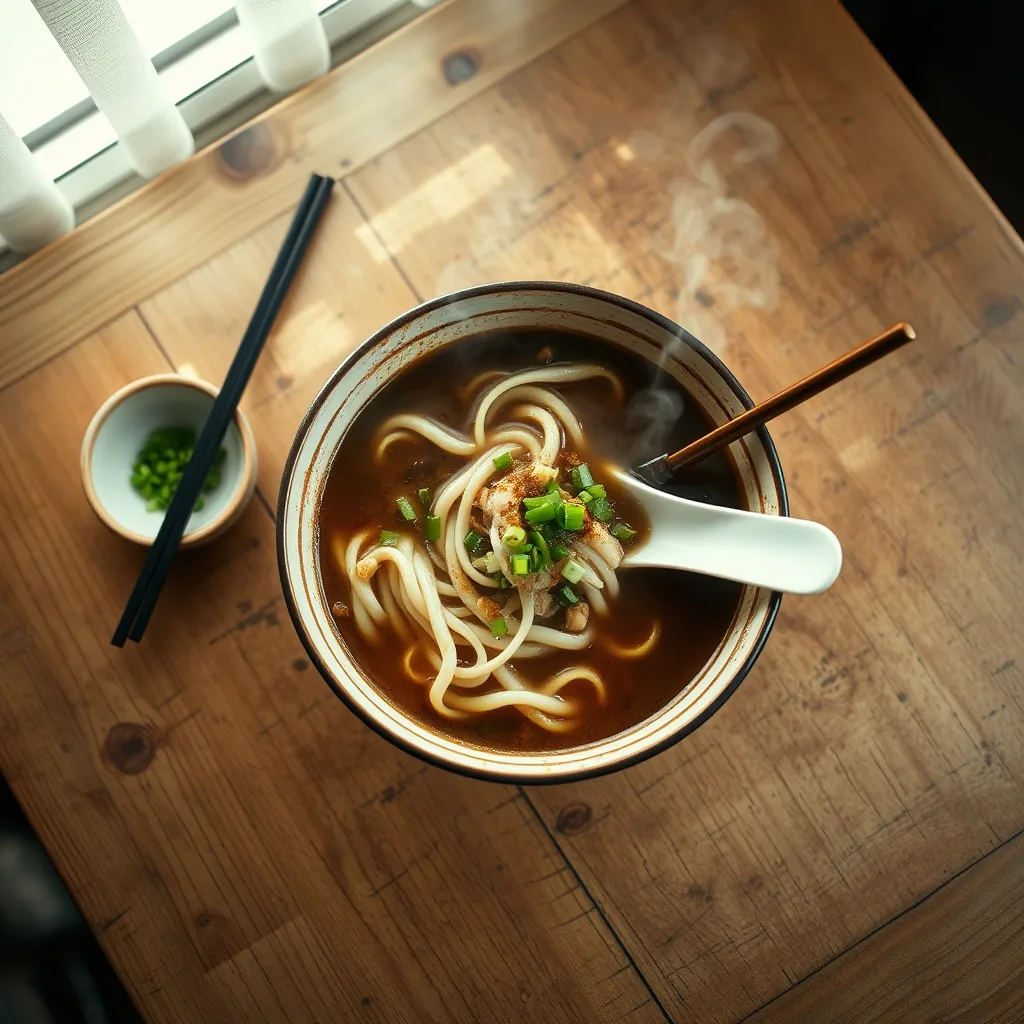
Japanese cuisine is the clearest example. Dashi—the fundamental stock of Japanese cooking—is built on three umami pillars: kombu (glutamates), bonito flakes (nucleotides called inosinate), and sometimes shiitake mushrooms (more glutamates). A proper dashi contains umami compounds stacked upon each other. This isn't luck. This is intentional design.
Chinese cuisine uses fermented black beans, ancient soy sauces, and dried shrimp to the same effect. Korean cuisine layers gochugaru (chili paste with fermented soybeans), aged soy sauce, and anchovy broth. Even without understanding the chemistry, these culinary traditions recognized that fermentation created flavor magic. They understood—intuitively, through generations of experimentation—that breaking down proteins into amino acids made food taste better.
Meanwhile, why umami was hiding in plain sight until science caught up reveals how Western cooking stumbled upon umami repeatedly without recognizing it. Parmesan cheese, aged meat, tomato paste, mushrooms, beef extract—all umami powerhouses. But without the framework to understand them, Western chefs simply called them "flavorful" and moved on.
Key Definitions
- Umami
- The fifth basic taste, triggered by glutamates and nucleotides like MSG, characterized by a savory, mouth-filling sensation. The word comes from Japanese and means "pleasant taste."
- Glutamates
- Amino acids that activate umami taste receptors. Found naturally in aged cheeses, fermented products, tomatoes, mushrooms, and meat broths.
- Inosinate (IMP)
- A nucleotide that triggers umami perception, abundant in dried seafood, aged meats, and fish-based broths like dashi.
- MSG (Monosodium Glutamate)
- The sodium salt of glutamic acid, a pure umami compound. Naturally occurs in Parmigiano-Reggiano, tomatoes, and other foods, but became controversial in the West despite scientific validation of its safety.
- Fermentation
- The microbial breakdown of organic compounds that concentrates glutamates and creates umami-rich flavors in soy sauce, miso, mirin, and other traditional ingredients.
Why do Western chefs still underutilize umami despite decades of scientific validation?
Western culinary culture prioritizes tradition, technique, and visual presentation over optimization of taste chemistry, and many chefs view umami-rich ingredients like MSG as shortcuts rather than legitimate flavor tools.
This is partly cultural. Fine dining in the West is built on the mystique of craft—the idea that a dish is superior because of the skill, time, and tradition invested in it. Using fermented pastes or MSG feels like cheating because it seems too easy, too immediate. A chef aged beef for 45 days or made a bone broth overnight; a chef who adds miso paste seems like they're taking a shortcut.
This is nonsense, of course. Understanding umami and deploying it strategically requires just as much knowledge and skill as classical techniques. But the psychology persists. There's also the MSG stigma—the result of decades of misinformation, xenophobia, and marketing by the processed food industry. A chef admits to using MSG and suddenly their restaurant feels inauthentic, even though Michelin-starred kitchens around the world use it daily.
For deeper insight into how food traditions shape culinary identity, why food is always about identity explores how cuisines become bound to cultural narratives and resistance to change.
The opportunity cost is real. Chefs who ignore umami are making food taste worse while working harder. They're achieving depth through 12-hour braises when they could achieve greater depth with intelligent ingredient pairing and fermented elements. They're leaving flavor on the table.
How has umami understanding changed modern cooking?
In professional kitchens that have embraced umami science, chefs now layer glutamates and nucleotides deliberately, combine fermented ingredients strategically, and achieve depth and complexity with greater speed and consistency than was possible under traditional methods.
The restaurants leading this shift are interesting. They're not all modernist kitchens obsessed with technique and deconstruction. Many are chefs who've traveled through Asia, worked in Japanese or Chinese kitchens, and brought umami-forward cooking back to Western contexts. They've integrated fermented miso into butter sauces, built stocks around umami principles, and stopped being embarrassed about MSG.
David Chang's Momofuku empire is a clear example: East Asian umami principles applied to American ingredients and culinary contexts. Seiji Yamamoto at Nabezo in Tokyo layers umami so deliberately that each course builds on the previous one's savory foundation. Even in classical fine dining, chefs like René Redzepi at Noma have incorporated fermented and umami-forward elements because they produce superior flavor.
What's changed isn't the technique—it's the knowledge base. Once you understand that fermentation concentrates umami, you start fermenting everything: fish, vegetables, grains. Once you understand that certain ingredient combinations amplify umami synergistically (a principle called "umami synergy," where glutamates plus nucleotides create stronger umami perception than either alone), you start combining them deliberately. Tomato plus Parmesan. Mushroom plus aged beef. Soy sauce plus bonito.
For those interested in the deeper science and practical application, Salt Fat Acid Heat by Samin Nosrat provides an accessible foundation in cooking fundamentals, while The Food Lab by J. Kenji López-Alt dives deeper into the chemistry behind what actually happens when you cook.
The Bottom Line
Umami didn't just add a fifth taste to culinary vocabulary—it revealed that Western cooking had been fundamentally incomplete, relying on labor-intensive techniques to achieve what fermentation and strategic ingredient pairing could accomplish faster and more effectively. Most Western chefs still haven't fully internalized this knowledge, preferring tradition and mystique over optimization, which means they're making food taste worse while working harder. The future of cooking belongs to chefs who understand umami not as a trick or a shortcut, but as the principle it is: one of the most powerful tools for creating flavor depth that exists.
Frequently Asked Questions
- Is MSG actually safe to eat?
- Yes. Despite decades of misinformation and the "Chinese Restaurant Syndrome" myth from the 1960s, MSG is completely safe in normal consumption amounts. It's the sodium salt of glutamic acid, an amino acid naturally found in Parmigiano-Reggiano, tomatoes, mushrooms, and bone broth. Regulatory bodies including the FDA and WHO have repeatedly confirmed its safety. The stigma is cultural and historical, not scientific.
- Can you cook without understanding umami?
- Yes, but your food will taste less good than it could. Many home cooks and professional chefs create delicious food without consciously thinking about umami, because they're using traditional recipes that were developed through trial and error to include umami-rich ingredients. But understanding umami allows you to make intentional choices, troubleshoot flat-tasting dishes, and create more complex flavors more efficiently.
- Which common ingredients are highest in umami?
- Parmigiano-Reggiano and aged cheeses (glutamates), cured meats like prosciutto (inosinate), dried mushrooms especially shiitake (glutamates), fermented soy sauce and miso (glutamates), tomato paste and concentrated tomatoes (glutamates), fish sauce and anchovy paste (inosinate), and kombu and bonito flakes (glutamates and inosinate). Combining ingredients from different umami sources creates umami synergy, amplifying the effect.