Why Umami Rewired How We Taste and Think

Why Umami Rewired How We Taste and Think: The Fifth Taste That Changed Everything
The short answer: Umami, the savory fifth taste discovered in 1908, fundamentally rewired neuroscience and the global food industry by revealing that our taste perception is more complex than the ancient "four tastes" model, and it validated what Asian cuisines had known for centuries about flavor amplification.
What exactly is umami and why does it matter?
Umami is the savory taste produced by glutamates and nucleotides like monosodium glutamate (MSG), found naturally in aged cheeses, tomatoes, mushrooms, and fermented foods. The word itself means "pleasant taste" or "deliciousness" in Japanese, and it's fundamentally different from sweet, salty, sour, or bitter—it's a taste sensation that makes your mouth water and keeps you coming back for more.
When Japanese chemist Kikunae Ikeda first isolated umami in 1908 from kombu seaweed broth, the Western scientific establishment dismissed it as pseudoscience. For nearly a century, taste was locked into four categories, and umami didn't fit the boxes. But in 2000, neuroscientists discovered umami taste receptors on our tongue, proving Ikeda right and forcing a complete recalibration of how we understand flavor, satiety, and even human nutrition.
This discovery matters because umami is the taste of protein, of nourishment, of survival. It's the flavor that made our ancestors seek out bone broth, aged meat, and fermented vegetables—foods that sustained civilization. Understanding umami isn't just about cooking better food; it's about understanding why we crave what we crave.
How did umami change neuroscience and taste research?
The discovery of umami taste receptors forced neuroscientists to completely rebuild their model of how taste perception works at the cellular and neurological level. Before 2000, taste research operated on a simplified framework that didn't account for what billions of people were actually experiencing when they ate.
Once researchers found the T1R3 taste receptor that specifically detects glutamates and nucleotides, everything shifted. This discovery opened an entirely new field of investigation into how taste signals travel to the brain, how they interact with smell and texture, and how they influence appetite and satiety. Scientists realized that umami activates different neural pathways than other tastes—it triggers a unique satisfaction response that makes us feel nourished at a deeper level.
This had cascading effects. Neuroscientists began investigating why umami might be addictive, how it relates to the pleasure centers of the brain, and why it amplifies the perception of other flavors. Research revealed that umami doesn't work alone—it's a flavor amplifier. When you combine umami with salt, acid, or fat, the total sensory experience becomes greater than the sum of its parts. This principle, beautifully explored in works like Salt Fat Acid Heat, fundamentally changed how scientists and chefs think about flavor composition.
Why did the food industry explode around umami once it was scientifically validated?
Once umami was legitimized by neuroscience, the global food industry recognized it as a scientifically proven flavor amplifier that could be engineered into products, transforming processed food from "edible" to genuinely crave-worthy. Before umami was understood, food scientists were essentially working blind—they could make things taste salty or sweet, but they couldn't explain why their competitors' broths tasted richer or why certain snacks were addictive.
After 2000, MSG and other umami compounds became the secret weapon of industrial food production. Monosodium glutamate, which had been used in Asian cooking for a century, suddenly became scientifically blessed. Food corporations began adding umami compounds to everything: soups, snacks, sauces, even baby food. The result was a multi-billion-dollar industry built on the principle that umami could make cheap ingredients taste expensive and nutrient-poor foods feel satisfying.
This raises important questions about food ethics and neuroscience. If umami triggers our reward centers and makes us feel full even when we haven't eaten protein-rich whole foods, are we being manipulated by science? The answer is nuanced. Umami itself isn't evil—it's a tool. The issue is how it's weaponized in industrial food systems. Understanding umami helps us make better choices about which foods we consume.
What did our ancestors know about umami that we forgot?
Asian and European traditional cuisines have been deliberately concentrating umami for thousands of years through fermentation, aging, and cooking techniques—knowledge that predates modern neuroscience by centuries. When your grandmother made bone broth for hours, she was concentrating glutamates. When Italian nonnas aged Parmigiano-Reggiano for 36 months, they were building umami crystals. When Japanese cooks fermented miso and soy sauce, they were creating some of the most umami-rich substances on Earth.
The historical irony is that Western culinary science completely missed this pattern. European chefs understood that a long-simmered stock tasted better than fresh water, and they knew that aged cheese had something special. But they didn't have the vocabulary or the neuroscience to explain why. Meanwhile, in Japan, China, Korea, and Southeast Asia, cooks operated with sophisticated umami knowledge embedded in their culinary traditions. Dashi, miso, soy sauce, fish sauce—these weren't accidents. They were deliberate umami engineering.
This connects to deeper patterns in food history. Just as beer shaped how civilizations organized around grain, and just as sugar drove colonialism and slavery, umami shaped how cultures understood nutrition and flavor. The cuisines that understood umami created food systems that were more satisfying, more preservable, and more sustainable. Spices changed the world through trade, but umami changed how humans experienced satisfaction and abundance.
Key Definitions
- Umami
- The fifth basic taste, characterized by savory qualities produced by glutamates and nucleotides, most commonly associated with monosodium glutamate (MSG). The word is Japanese for "pleasant taste" or "deliciousness."
- Glutamates
- Amino acids that trigger umami taste receptors, found naturally in aged cheeses, tomatoes, mushrooms, fermented foods, and meat broths.
- Monosodium Glutamate (MSG)
- A sodium salt of glutamic acid used as a flavor enhancer in cooking and industrial food production. It's naturally present in many foods and is the most direct way to trigger umami taste receptors.
- T1R3 Taste Receptor
- The specific protein receptor on taste buds that detects glutamates and nucleotides, enabling the perception of umami flavor. Its discovery in 2000 provided the neurological basis for umami as a legitimate fifth taste.
- Flavor Amplification
- The phenomenon where umami enhances and intensifies the perception of other flavors, making foods taste richer, more complex, and more satisfying.
The Bottom Line
Umami's discovery validated centuries of culinary wisdom while forcing modern neuroscience to rebuild its understanding of taste perception, proving that our ancestors understood something fundamental about human flavor and satisfaction that science had overlooked. The scientific legitimacy of umami transformed the food industry, creating both incredible culinary opportunities and serious ethical questions about how flavor science can be weaponized in processed foods. Understanding umami—both its neuroscience and its history—gives us better tools to make conscious choices about what we eat and why we crave it.
Frequently Asked Questions
- Is MSG actually bad for you?
- Despite decades of myth-making, scientific research consistently shows that MSG is safe for the vast majority of people when consumed in normal amounts. The "MSG sensitivity" panic of the 1960s was largely driven by cultural bias rather than rigorous science. MSG is simply a flavor compound that triggers umami receptors, no different mechanistically than how salt triggers salt receptors. The real issue isn't MSG itself—it's how it's used in industrial food systems to make nutrient-poor foods taste irresistible, driving overconsumption. Like any tool, MSG's morality depends on how it's wielded.
- Which foods naturally contain the most umami?
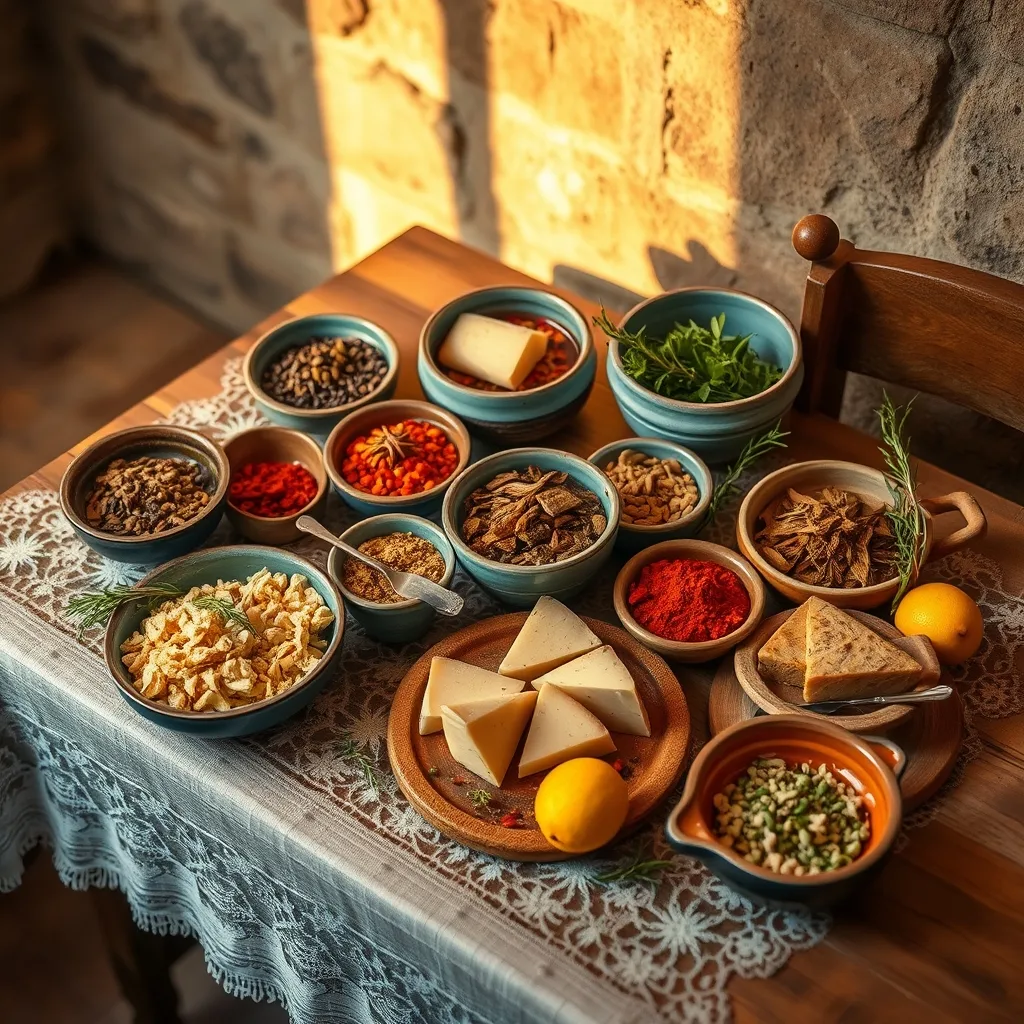
- The umami champions are aged and fermented foods: Parmigiano-Reggiano cheese, soy sauce, miso paste, fish sauce, tomato paste, anchovy, mushrooms (especially dried porcini), aged cured meats, and bone broth. Ripe tomatoes, seaweed, and fermented vegetables also contain significant umami. Asian cuisines have traditionally concentrated on these foods because they create the most satisfying, nutrient-dense meals.
- Does umami actually make you feel more full?
- Yes, umami appears to trigger satiety signals more effectively than other tastes because it's neurologically linked to protein consumption. Protein is essential for survival, and umami is the taste of protein. When your brain detects umami, it registers "nourishment acquired" and sends satisfaction signals even if the calories consumed were relatively low. This is why umami-rich broths and soups are so satisfying—your body feels genuinely nourished, not just full.