Why Umami Rewired Human Taste and Changed Everything
Why Umami Rewired Human Taste and Changed Everything
By Steve Israel Monas
The short answer: Umami is the fifth taste—a savory sensation triggered by glutamates and nucleotides like MSG—that fundamentally changed how humans experience food and how the food industry engineers cravings by tapping directly into our brain's reward systems.
What exactly is umami and why is it considered the fifth taste?
Umami, meaning "pleasant taste" in Japanese, is a distinct savory sensation caused by the presence of glutamates and nucleotides (particularly MSG, inosinate, and guanylate) that activates specific taste receptors on your tongue. Unlike sweet, salty, sour, and bitter—the four classical tastes known for centuries—umami operates through a completely different neurological pathway that triggers deep satisfaction and the desire to eat more.
For over a hundred years, Western science dismissed umami as merely a combination of other tastes. But in 1985, Japanese scientist Kikunae Ikeda proved otherwise. He identified the umami receptor (T1R1 + T1R3) and showed that glutamates activate taste cells in a way fundamentally distinct from salt or sweetness. The taste travels directly to the brain's nucleus accumbens—the pleasure and reward center—which explains why umami-rich foods feel so satisfying that you often want seconds without realizing why.
This discovery wasn't just academic. It explained centuries of culinary intuition. Ancient Romans fermented fish into garum, a pungent sauce loaded with glutamates. Japanese chefs perfected dashi broths from kombu seaweed and bonito flakes. Italian grandmothers stirred Parmigiano-Reggiano into risotto. None of them knew the chemistry, but they understood the effect: umami made food unforgettable.
How did umami remain hidden from Western cuisine for so long?
Western taste science was locked into a four-taste framework established by the ancient Greeks and reinforced by 19th-century German physiology, leaving umami invisible until a Japanese scientist proved it existed through rigorous experimentation. This is a fascinating case of how cultural frameworks can literally blind entire scientific communities to observable reality.
Kikunae Ikeda's 1908 paper, published in Japanese, proposed that umami was a primary taste. But Western researchers ignored it. In fact, monosodium glutamate (MSG)—the most concentrated, easily recognizable source of umami—became so vilified in the West that it took decades to rehabilitate its reputation. The 1960s and 1970s saw panic over "Chinese Restaurant Syndrome," a supposed illness from MSG that was largely psychosomatic, yet it poisoned Western perception of the molecule for generations.
Meanwhile, the food industry quietly weaponized umami. They understood something that traditional culinary cultures had known intuitively: umami creates cravings. Unlike sweetness, which can feel cloying, umami feels clean, savory, and endlessly consumable. A single umami-heavy meal triggers the brain to crave more umami later. This is why processed foods loaded with MSG, yeast extract, tomato paste (high in glutamates), and Parmesan cheese became so irresistible—and so profitable.
How does umami hijack your brain's reward system differently than other tastes?
Umami activates the brain's pleasure centers (particularly the nucleus accumbens and ventral tegmental area) while simultaneously signaling nutritional completeness through amino acid recognition, making it neurologically distinct from sugar's simple dopamine hit. This dual mechanism explains why umami cravings feel different—deeper, more satisfying, yet somehow never fully sated.
When you taste sugar, your brain releases dopamine in anticipation of calories. It's a simple reward signal. But umami tells your brain something more complex: "This food contains amino acids—the building blocks of life." Glutamates are the most abundant amino acid in nature. Evolutionarily, creatures that craved glutamate-rich foods (mother's milk contains glutamate; aged cheeses and fermented foods concentrate it) survived better. They built stronger muscles, repaired tissue faster, and lived longer.
This is why umami doesn't feel like a "cheat"—it feels like nourishment. Your body isn't lying; umami-rich foods genuinely are nutrient-dense. The problem is that food manufacturers weaponized this ancient preference by isolating umami from whole foods and adding it to junk. A bag of flavored potato chips contains more MSG than a bowl of miso soup, but triggers the same ancient survival circuitry that once kept humans alive.
The result: modern humans are essentially addicted to a taste sensation that evolution designed to identify nutritious food, but which industry has decoupled from actual nutrition.
Which foods are highest in umami and why?
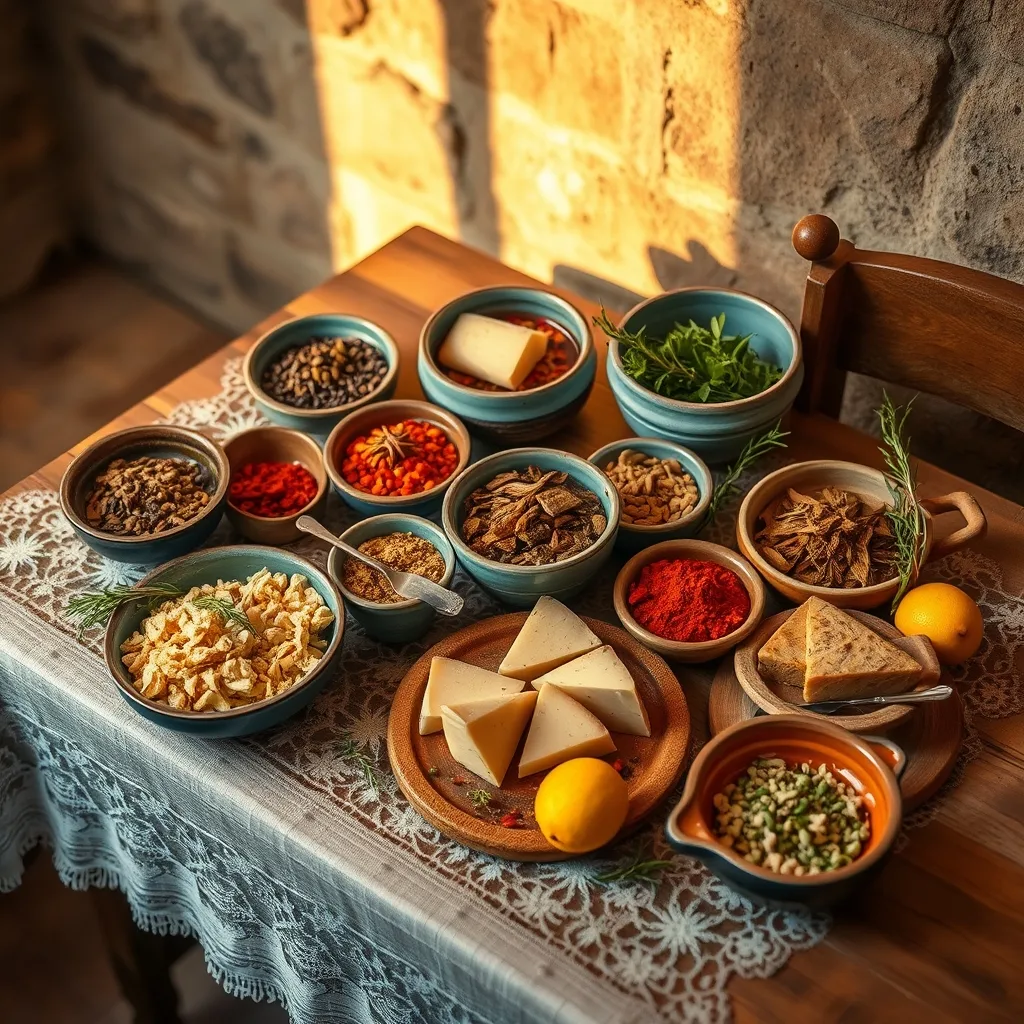
Aged cheeses (Parmesan, cheddar), fermented products (soy sauce, miso, fish sauce), cured meats, tomatoes, mushrooms, and seafood contain naturally high glutamates or nucleotides, making them umami powerhouses.
The pattern is striking: umami concentration increases with time. Fresh mozzarella has minimal umami. Aged Parmigiano-Reggiano, with its 20+ year maturation, has extraordinary amounts. Fresh tomatoes taste fresh; sun-dried tomatoes or tomato paste, where water evaporates and glutamates concentrate, taste intensely savory. Fresh fish is mild; fermented fish sauce (garum's modern descendant) is pure umami.
This isn't coincidental. Fermentation and aging are human technologies for preserving food and concentrating nutrients. Our ancestors discovered that time transforms foods into umami explosions. In doing so, they created some of humanity's greatest culinary achievements—Japanese dashi, Italian risotto with Parmigiano, French coq au vin, Mexican mole. These dishes endure because they're neurologically irresistible.
Mushrooms deserve special mention. Shiitake mushrooms contain roughly 1.6 grams of glutamates per 100 grams—higher than Parmesan. Dried shiitakes reach 2.7 grams. This is why mushroom dashi is so prized in Japanese cuisine, and why vegetarian cooking often revolves around mushrooms: they're nature's umami concentrate. For anyone exploring the intersection of food and culture, Flavors of the Motherland by Steve Monas explores how traditional cuisines weaponized umami centuries before science named it.
Why did the food industry embrace MSG while hiding it from consumers?
The food industry adopted MSG because it's the cheapest, most potent way to make bland, low-cost ingredients taste irresistibly delicious—and consumers couldn't identify the taste or reason, making it the perfect invisible lever for engineering cravings.
MSG costs pennies per kilogram. A fraction of a gram can transform a bowl of cheap noodles or a processed snack from forgettable into crave-worthy. Unlike salt or sugar, which consumers can taste and consciously moderate, umami operates below conscious awareness. You don't say, "I'm eating MSG." You say, "This tastes amazing. I want more."
The industry also discovered that umami works synergistically with salt and fat. A chip seasoned with salt alone tastes salty. Add MSG and suddenly the salt enhances the umami, the umami makes the salt feel less harsh, and the fat carries both flavors. The combination is neurologically overwhelming—a flavor ménage à trois that hijacks taste perception.
The anti-MSG panic of the 1960s-70s, rooted more in racism (targeting Chinese cuisine) than science, actually served the industry well. It made MSG taboo enough that companies could hide it under euphemisms: "natural flavoring," "yeast extract," "hydrolyzed protein," "autolyzed yeast," "soy sauce powder." All of these are essentially MSG in disguise. The consumer thinks they're buying "natural" food while the manufacturer engineered a umami explosion.
Key Definitions
- Umami
- The fifth basic taste, characterized by a savory sensation triggered by glutamates and nucleotides (primarily MSG, inosinate, and guanylate) that activate specific taste receptors (T1R1 + T1R3) and trigger the brain's reward centers.
- Glutamates
- Amino acids present naturally in many foods that, when free (not bound in proteins), activate umami taste receptors. Concentration increases through fermentation, aging, and cooking.
- Monosodium Glutamate (MSG)
- The sodium salt of glutamic acid, the most concentrated and recognizable form of umami flavoring. Naturally present in tomatoes, mushrooms, and aged cheeses; also synthesized industrially and added to processed foods.
- Nucleus Accumbens
- The brain region responsible for pleasure, reward, and motivation. Umami activates this area more intensely than other tastes, explaining why umami-rich foods feel deeply satisfying.
- Nucleotides
- Organic compounds including inosinate (IMP) and guanylate (GMP) that trigger umami receptors. Present in high concentrations in aged foods, seafood, and mushrooms.
How has understanding umami changed modern cooking and food science?
Recognizing umami as a primary taste has transformed professional cooking, food science, and nutritional understanding, allowing chefs to layer flavors intentionally and scientists to understand why certain food combinations feel transcendent.
Top chefs now explicitly compose dishes around umami layers. A risotto isn't just rice and broth; it's a carefully constructed umami architecture: stock (umami), butter and Parmesan (umami), mushrooms or meat (umami), combined so that each element amplifies the others. The dish feels complete because the brain receives a comprehensive amino acid signal.
Food scientists, meanwhile, use umami as a lever for reducing sodium and sugar while maintaining satisfaction. A chip seasoned with less salt but more umami tastes just as good—sometimes better—because the brain interprets umami as nourishment rather than mere saltiness. This has genuinely improved some processed foods, though the industry's primary motivation remains maximizing profit through maximum palatability.
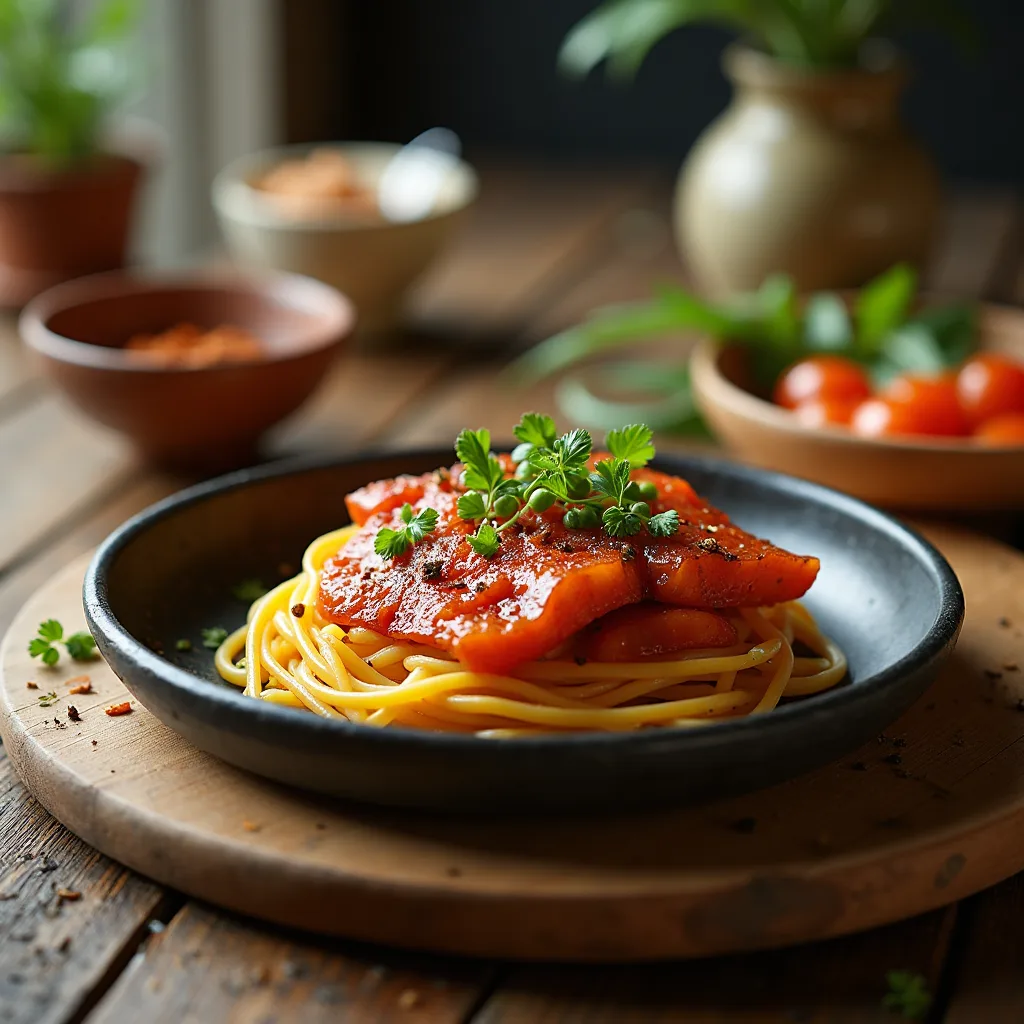
Understanding umami also illuminates why certain traditional food combinations work so perfectly. Pasta with tomato sauce and Parmesan is a umami triad: tomato (glutamate), Parmesan (aged glutamate concentration), and pasta (wheat contains modest glutamate levels). This combination didn't emerge from accident; Italian cuisine evolved toward umami stacking because it feels right. For deeper exploration of how food shapes culture and the hidden engineering of flavor, The Food Lab offers rigorous, accessible science.
The same logic applies across cuisines. Dashi (kombu seaweed + bonito flakes) is two umami sources amplifying each other. Miso soup adds a third layer. Every major culinary tradition discovered umami stacking independently, which suggests something profound: humans are neurologically engineered to seek it out, and those cultures that mastered umami layering created foods so delicious they've survived centuries.
What are the long-term health implications of umami-engineered foods?
Chronic consumption of umami-engineered processed foods can create neurological dependence on artificially heightened flavor signals, potentially contributing to overeating, metabolic dysfunction, and difficulty finding satisfaction in whole foods.
The research is still evolving, but emerging evidence suggests that MSG and concentrated umami can dysregulate appetite hormones. Leptin (fullness signal) becomes less effective; ghrelin (hunger signal) remains elevated. A person consuming umami-concentrated foods can feel perpetually unsatisfied even while overeating, because the brain's satiety signals have been dampened by constant exposure to super-palatable stimuli.
This is distinct from sugar addiction. Sugar triggers a clear blood glucose response that the body eventually resists (metabolic syndrome). Umami's hijacking is more subtle—it targets the amino acid recognition system, making the brain believe it needs to consume more to achieve nutritional completeness. You can eat an entire bag of umami-seasoned snacks while your brain screams that it still hasn't received adequate amino acids.
Interestingly, the solution isn't to avoid umami—it's to reclaim it from whole foods. A bowl of properly made miso soup, with its deep umami from fermentation, actually promotes satiety. Your brain recognizes real amino acids and genuine nutrition, triggering fullness signals. The difference between natural umami in aged food and isolated MSG in processed snacks may be quantitative (concentration) rather than qualitative (chemistry), but the metabolic effects differ profoundly.
For those interested in how food systems shape human behavior and health, On Food and Cooking provides scientific context for understanding the deeper mechanisms at play.
How does umami connect to the broader economics of global cuisine?
Umami's neurological power has driven a $400+ billion global flavor industry, shaped international trade (soy sauce, fish sauce, fermented condiments are among the world's most traded foods), and created economic leverage for cultures that mastered umami-rich fermented foods.
Consider the global dominance of Asian fermented condiments: soy sauce, miso, fish sauce. These emerged from cultures that perfected umami layering centuries ago. Today, they're not just culinary traditions—they're multi-billion-dollar exports. A Japanese soy sauce brand can command premium prices globally not because consumers consciously understand umami, but because their brains register the flavor as transcendent.
The processed food industry, meanwhile, has engineered a dependence on umami that spans every market. A person in Nigeria eating instant noodles with MSG experiences the same neurological hijacking as someone in Brazil eating flavored snacks. This has created a globalized palate—one calibrated to processed food's umami explosions, making it harder for traditional whole foods to compete.
Understanding this dynamic connects to broader questions about food economics, cultural preservation, and the globalization of taste. The Economics of Street Food explores how traditional vendors compete in a world where industrial umami engineering has reshaped consumer expectations. Similarly, The Unseen Engine of Cuisine: The Pestle and Mortar's Quiet Revolution examines how traditional cooking tools preserved umami-building techniques that industrial food science tried to replace.
The Bottom Line
Umami is the fifth taste—a savory sensation triggered by glutamates and nucleotides—that fundamentally rewired human food preferences by targeting the brain's amino acid recognition and reward systems. The food industry weaponized umami by isolating it into concentrated forms like MSG and hiding it under euphemisms, creating engineered cravings that transcend conscious taste perception. While traditional cuisines discovered umami through fermentation and aging—creating genuinely nourishing foods—modern processed foods have decoupled umami from nutrition, creating a dependence on flavor signals divorced from actual amino acid content. Reclaiming umami means returning to whole, traditionally prepared foods where this ancient taste signal aligns with genuine nutrition.
Frequently Asked Questions
- Is MSG actually bad for you?
- MSG itself, as a chemical compound, is not inherently toxic—it's a naturally occurring glutamate present in tomatoes, mushrooms, and aged cheese. The concern isn't MSG's existence but its concentration in processed foods and its role in creating neurological dependence on artificially heightened flavor signals. In moderation, MSG is safe for most people; the problem is chronic overconsumption in a processed food environment where umami signals are systematically amplified beyond natural levels.
- Can you taste umami if you're not Japanese or haven't eaten umami-rich foods?
- Yes, absolutely. Umami receptors are universal across humans. Anyone who has eaten tomatoes, mushrooms, Parmesan cheese, or even chicken broth has tasted umami. The Japanese simply named it first and studied it systematically. The taste transcends culture; the receptors are wired into human neurology.
- If umami is so natural, why is engineered umami in processed foods problematic?
- The issue is concentration and context. Natural umami in aged Parmesan appears alongside fat, water, minerals, and micronutrients that promote satiety. Concentrated MSG in a processed snack appears alongside simple carbohydrates, vegetable oil, and salt—a combination that bypasses fullness signals while maximizing consumption. The chemical is identical; the metabolic context is completely different.