Why Umami Rewired Human Taste Before We Had Words for It
The short answer: Umami, the fifth taste triggered by glutamate and nucleotides like MSG, neurologically hijacks our brain's reward centers the same way sugar and salt do—but we didn't have a name for it until 1908, which is why humans have been addicted to umami-rich foods like aged cheese, tomatoes, and fermented products for millennia without understanding why.
What exactly is umami and why did neuroscience miss it for so long?
Umami is a savory taste produced by glutamate and nucleotides (particularly inosinate and guanylate) that activates specific taste receptors on your tongue and triggers dopamine release in your brain's reward system. Despite being one of the five fundamental tastes alongside sweet, salty, sour, and bitter, umami remained scientifically unnamed until Japanese chemist Kikunae Ikeda isolated it in 1908 while studying the taste of kombu seaweed broth.
The reason neuroscience missed umami for centuries comes down to Western linguistic and sensory bias. European and American taste science focused almost exclusively on the four tastes they could easily categorize. Glutamate, the amino acid responsible for umami, doesn't fit neatly into sweet-salty-sour-bitter categories—it's subtle, complex, and lingering. It wasn't until Ikeda published his findings in Japanese scientific journals, and later when MSG (monosodium glutamate) became commercially available in the 1920s, that the Western scientific establishment began taking umami seriously.
But here's what's crucial: your ancestors were wired to crave umami long before anyone had words for it. Archaeological evidence suggests humans have been fermenting foods—which concentrate glutamate—for at least 10,000 years. We were neurologically addicted to umami's reward signals before we understood the mechanism.
How does umami create addiction similar to sugar and salt?
Umami activates the same dopamine pathways in your brain's ventral tegmental area and nucleus accumbens that are triggered by sugar, fat, and salt—making it a fundamental biological driver of food preference and overconsumption.
When glutamate binds to taste receptors (particularly the metabotropic glutamate receptor mGluR4 and the ionotropic NMDA receptor), it doesn't just register as "flavor." It sends a signal to your brain that says: "This food contains protein. This is survival fuel." Your dopamine system floods with reward chemicals, reinforcing the desire to eat more.
The addiction pattern mirrors what happens with sugar addiction. Repeated exposure to umami-rich foods sensitizes your taste receptors and increases your tolerance, meaning you need more of that savory hit to feel satisfied. This is why a plate of plain pasta tastes bland, but the same pasta topped with aged Parmesan (which contains up to 1,200 mg of free glutamate per 100g) tastes compulsively delicious.
What makes umami particularly insidious is its invisibility. You can see sugar coating a donut. You can taste salt on a chip. But umami hides inside the structure of food—in tomato paste, mushroom risotto, beef broth, fermented sauces. You're consuming a neurochemical reward without realizing it's there, which is exactly why processed food manufacturers have weaponized MSG and natural glutamate sources since the 1960s.
Which foods are highest in umami and why does our brain crave them?
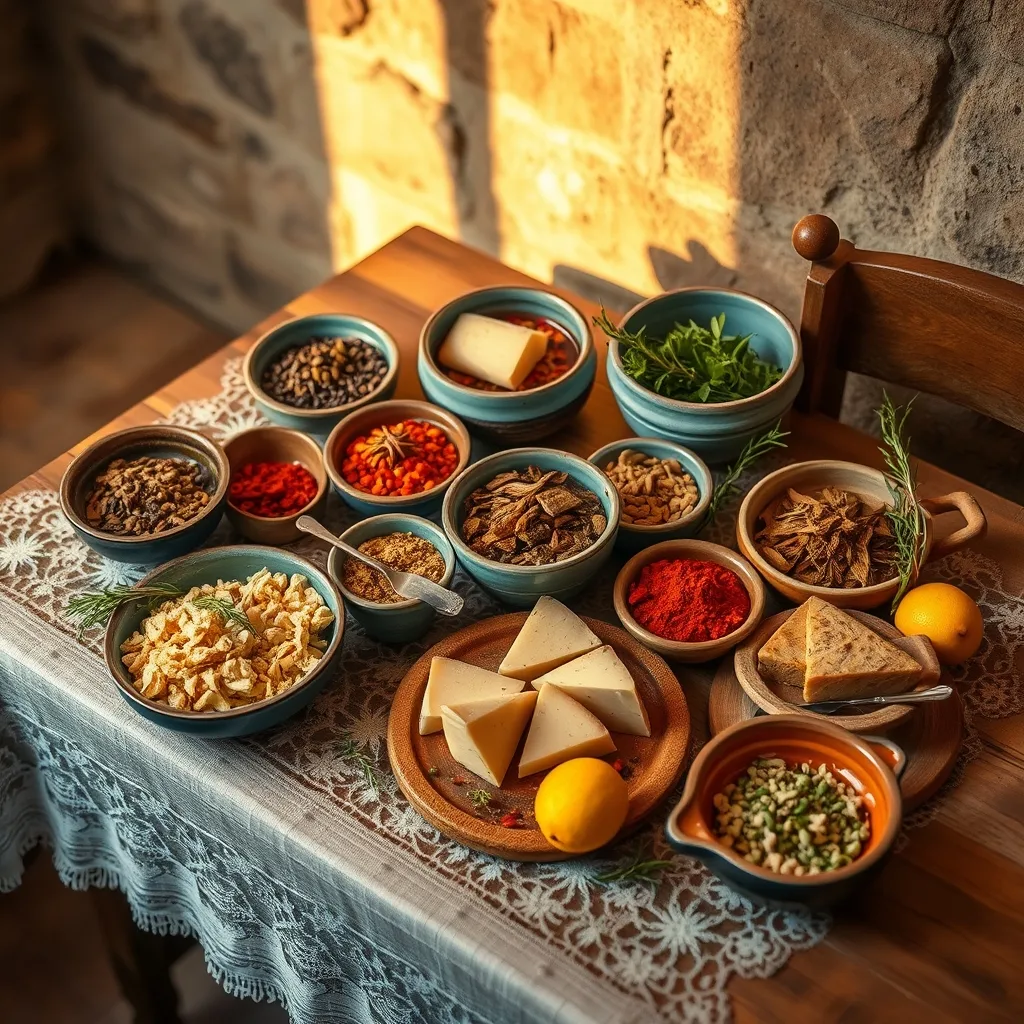
The most umami-rich foods include aged cheeses (Parmesan, cheddar), tomato paste, mushrooms, fermented products (soy sauce, miso), cured meats, fish sauce, and broths—all foods that humans have been deliberately fermenting and aging for thousands of years because their brains were detecting the glutamate reward.
Let's look at the data. Parmesan cheese contains approximately 1,200 mg of free glutamate per 100g. Tomato paste ranges from 800-1,200 mg per 100g. Dried mushrooms can exceed 1,500 mg per 100g. These aren't accident. These are the foods our ancestors systematically created through fermentation and aging—techniques that specifically concentrate glutamate.
Why? Because umami signals amino acid density. In the ancestral environment, foods high in umami were genuinely high in protein and nutrients. Your brain evolved to aggressively pursue umami signals because they correlated with survival. A mammoth bone broth, aged through slow cooking, would have developed high glutamate concentrations. A naturally fermented grain or legume would have been easier to digest and more nutritious. Your dopamine system learned: seek umami, find nutrition.
But in the modern food environment, umami has been decoupled from nutrition. A bowl of instant ramen with MSG and chicken broth flavoring hits your reward centers hard, but it's nutritionally hollow compared to ancestral umami sources. Your brain hasn't updated its software for a world where glutamate signals can exist without actual protein density.
Why did fermentation across all human cultures concentrate umami compounds?
Fermentation concentrates free glutamate because the microbial breakdown of proteins during fermentation releases glutamate amino acids from their protein chains, and independent cultures from Asia to Europe to Mesoamerica developed fermented foods because they were neurologically rewarded by the umami taste, not because they understood glutamate biochemistry.
Consider the evidence: Japanese miso and soy sauce (fermented for months or years), Italian Parmigiano-Reggiano (aged 24+ months), Korean gochujang (fermented chili paste), Vietnamese fish sauce (fermented anchovies), Mexican mole (complex fermented spice blends), and Nordic gravlax all concentrate glutamate. None of these cultures had contact with each other. None of them could have known about glutamate as a chemical compound. Yet they independently developed fermentation techniques that systematically increased umami.
The only explanation is that human brains—wired to seek umami rewards—drove the development of these techniques. A batch of miso that was accidentally left longer would taste more intensely savory. The person who tasted it would experience a dopamine spike. They'd remember it. They'd make more. Over generations, fermentation techniques were refined and perfected by blind neurological selection pressure, not conscious understanding.
This is the same pattern that drove grain domestication and beer development—humans didn't understand the biochemistry behind what they were doing. They just followed the dopamine. And when it came to umami, they followed it across every continent.
Key Definitions
- Umami
- The fifth taste, produced by glutamate and nucleotides (inosinate and guanylate), that triggers a savory sensation and activates dopamine reward pathways in the brain. From the Japanese word meaning "pleasant taste" or "deliciousness."
- Glutamate
- An amino acid found naturally in proteins that, when free (not bound in protein chains), binds to umami taste receptors and sends reward signals to the brain. The most abundant excitatory neurotransmitter in the human nervous system.
- MSG (Monosodium Glutamate)
- The sodium salt of glutamic acid, commercially produced and used as a flavor enhancer. Contains 12% sodium and 78% glutamate by weight. First isolated in 1908 and commercialized in the 1920s.
- Fermentation
- The metabolic breakdown of carbohydrates and proteins by microorganisms (bacteria, fungi, yeast) that concentrates free glutamate and other flavor compounds. Used for thousands of years in cheese, soy sauce, miso, and other traditional foods.
- Dopamine Reward Pathway
- The neural system involving the ventral tegmental area and nucleus accumbens that releases dopamine in response to rewarding stimuli (food, drugs, sex), reinforcing the desire to repeat the behavior.
How has modern food manufacturing weaponized umami addiction?
Since the 1960s, processed food companies have systematically added MSG, natural flavors derived from hydrolyzed proteins, and umami-rich ingredients (tomato concentrate, cheese powders, yeast extracts) to ultra-processed foods to trigger maximum dopamine response and drive overconsumption—replicating the ancient fermentation effect without the nutritional density.
The strategy is straightforward: if ancestral humans evolved to crave umami because it signaled protein and nutrients, adding umami to nutritionally empty foods would hijack that same reward system. A bag of potato chips with MSG hits harder than plain salt-and-fat chips. Instant noodles with "chicken flavor" (which is hydrolyzed chicken protein containing glutamate) creates a more compelling craving than pasta with plain salt.
What's particularly insidious is that umami addition is often disguised. "Natural flavors" on ingredient labels frequently contain glutamate. "Yeast extract" is concentrated umami. "Autolyzed yeast" is hydrolyzed protein, essentially pre-fermented glutamate. A consumer reading the label would have no idea they're consuming a neurotoxin-grade umami hit (I use that term clinically, not hysterically—the neurotransmitter effects are real).
The food industry understood something that neuroscience had overlooked for centuries: umami is the most powerful taste addiction driver because it's neurologically primitive. Sweet and salt evolved as specific nutrient detectors. But umami taps into the oldest part of your brain—the dopamine system that says "consume this or die." It's why umami-heavy ultra-processed foods drive higher consumption rates than sugar or fat alone.
What does umami reveal about the future of food and nutrition?
Understanding umami as a primary neurological addiction driver means the future of food either moves toward transparent fermentation and whole-food sources of umami, or toward increasingly sophisticated manipulation of glutamate signaling in processed foods—with major implications for obesity, food security, and neurological health.
We're at an inflection point. On one hand, umami knowledge allows us to build genuinely satisfying whole foods without ultra-processing. A naturally fermented miso has umami from actual protein breakdown. A slow-cooked bone broth has umami from collagen hydrolysis. A properly aged cheese has umami from casein proteolysis. These foods deliver the dopamine hit AND the nutritional payload that ancestral humans received.
On the other hand, food manufacturers now understand the umami mechanism well enough to replicate it synthetically in ways that bypass satiety signals. Traditional fermentation takes months or years. MSG-enhanced processed foods take minutes and cost pennies to manufacture. The economic incentive is overwhelming.
The path forward requires consumers to recognize umami as a neurochemical reward system rather than a simple flavor preference. Learning to identify umami-rich whole foods—fermented vegetables, aged cheeses, quality broths—versus umami-manipulated processed foods is becoming a critical literacy, like understanding sugar or seed oil.
For those interested in the deeper history of how food has shaped human biology and addiction, Steve Monas explores these themes extensively in Flavors of the Motherland, which examines how fermented and umami-rich foods have anchored human cultures across generations.
The Bottom Line
Umami rewired human taste and behavior long before we had a scientific name for it—for at least 10,000 years, our ancestors were neurologically driven to ferment foods and create concentrated glutamate sources because those foods triggered dopamine reward in the same way that sugar or salt do today. Modern neuroscience finally caught up in the early 1900s, but by then, the food industry had already begun engineering umami into processed products, creating the same addictive pattern in nutritionally hollow foods. Understanding umami as a primal dopamine driver—rather than just a pleasant flavor—is essential to navigating both food choices and the future of nutrition in an increasingly manipulated food environment.
Frequently Asked Questions
- Is MSG dangerous or is that just a myth?
- MSG itself is not inherently toxic in the quantities found in food, and the "MSG sensitivity syndrome" lacks robust scientific evidence. However, MSG is neurochemically active—it activates glutamate receptors and triggers dopamine release—which means it can drive overconsumption of processed foods. The danger isn't MSG poisoning; it's that MSG makes hyper-palatable foods more compelling, driving people toward nutritionally empty calories. The real concern is the addiction mechanism, not acute toxicity.
- Can you get umami addiction without MSG, just from natural sources?
- Yes, absolutely. Naturally fermented foods, aged cheeses, and slow-cooked broths deliver umami from genuine glutamate concentration, and they can trigger the same dopamine reward patterns. The difference is that natural umami sources usually come packaged with actual nutrition—protein, beneficial microbes, minerals—whereas MSG-enhanced processed foods deliver the neurochemical reward without the nutritional payload. Both activate the dopamine system; only one feeds your body.
- If umami is addictive, should I avoid umami-rich foods?
- Not necessarily. The distinction is between whole-food umami sources and manufactured umami manipulation. A serving of naturally fermented miso or properly aged Parmesan satisfies umami cravings while delivering real nutrition and satiety signals. The problem emerges with processed foods engineered specifically to maximize umami flavor while minimizing satiety—those foods override your body's natural "stop eating" signals. Learn to seek umami from whole fermented and aged foods, and your brain's reward system becomes an asset rather than a liability.