Why Umami Rewired Modern Cooking (And Why Chefs Hid It for Centuries)
Why Umami Rewired Modern Cooking (And Why Chefs Hid It for Centuries)
The short answer: Umami, the fifth taste discovered in 1908, fundamentally changed how chefs approach flavor by proving that savory satisfaction comes from glutamates and nucleotides—not just salt, acid, fat, or heat—and professional kitchens had unknowingly been layering it into dishes for centuries without a name or framework to understand why it worked.
What exactly is umami and why did it take until 1908 to discover it?
Umami is the taste of glutamates and nucleotides (like MSG and inosinate) that trigger a savory, mouth-filling sensation distinct from sweet, salty, sour, or bitter. For thousands of years, cooks intuitively layered umami-rich ingredients—aged cheeses, fermented sauces, slow-cooked broths, dried mushrooms—without understanding the biochemical mechanism at work.
The reason it remained hidden so long is almost absurd: Western culinary science simply wasn't looking for it. Taste was considered a straightforward four-part system since Aristotle. Then, in 1908, Japanese chemist Kikunae Ikeda was studying the flavor of kombu seaweed broth when he isolated the compound responsible for its deep, savory quality. He called it "umami," meaning "pleasant taste" or "deliciousness" in Japanese.
But here's where it gets interesting: Ikeda's discovery sat largely ignored in Western kitchens for nearly a century. European and American chefs dismissed it as a regional Asian curiosity. It wasn't until neurogastronomy emerged in the 2000s—with scientists mapping exactly how umami receptors fire on our tongue—that the culinary world finally acknowledged what Asian cooks had always known: umami is as fundamental to flavor as any other taste dimension.
How did chefs unknowingly use umami for centuries?
Professional kitchens built umami into their foundations through fermentation, reduction, and aging—techniques that concentrate glutamates without ever naming what they were doing.
Consider the French mother sauce. Demi-glace—that mahogany-colored, intensely savory reduction that's the backbone of classical French cooking—is essentially concentrated umami. Veal bones simmered for 12 hours, skimmed obsessively, then reduced by half again. Chefs understood that time and heat created "depth" and "richness," but they had no framework to explain why a 20-minute pan sauce tasted flat compared to one simmered all day.
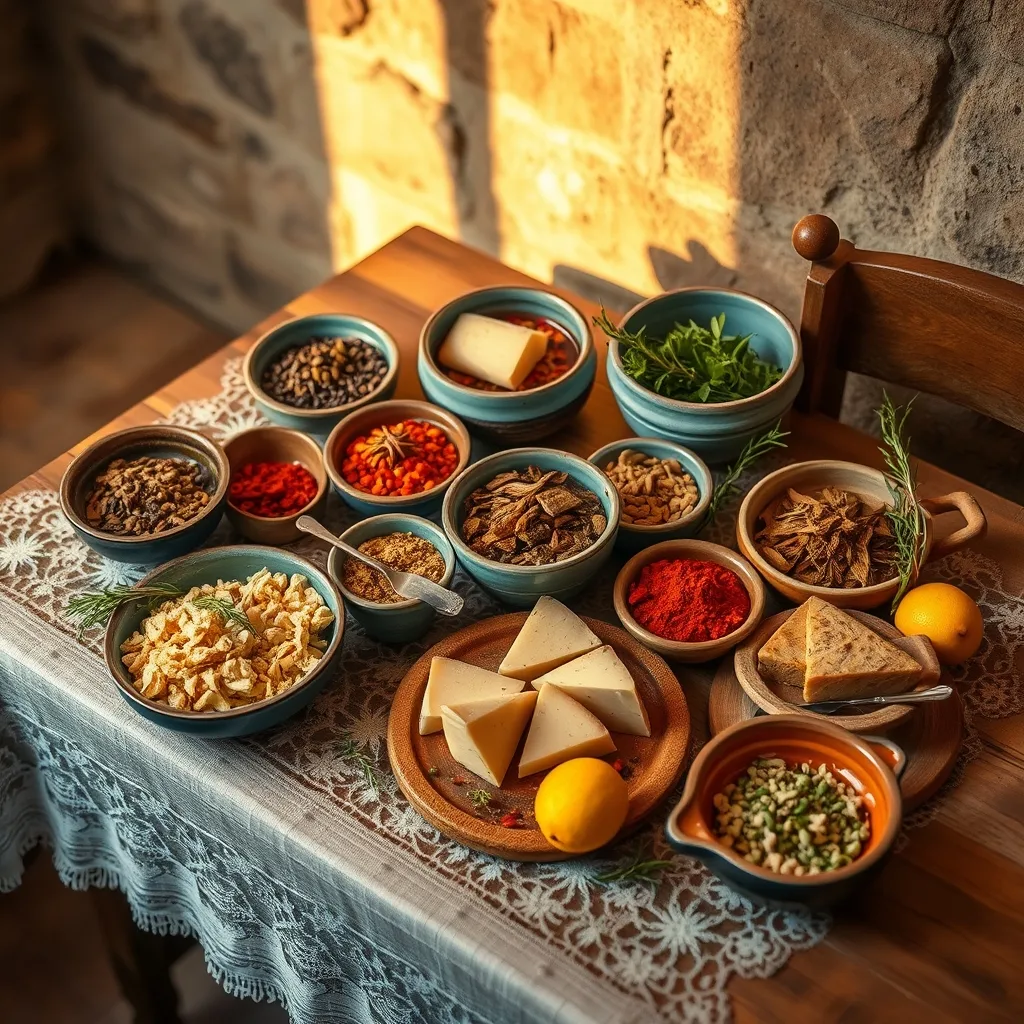
Italian cooks layered umami through Parmigiano-Reggiano aged for 36 months, San Marzano tomatoes concentrated into paste, and anchovies melted into soffritto. Spanish jamón ibérico, aging for years in mountain air, develops umami compounds through protein breakdown. Japanese miso and dashi, Chinese soy sauce, Korean gochujang—every cuisine's most revered flavor-building blocks are umami delivery systems.
What's remarkable is that chefs treated these techniques as *craft secrets* rather than scientific principles. A traditional Italian nonna wouldn't dream of explaining her ragù in terms of glutamic acid concentration—but she'd insist you simmer it low and slow for a reason she couldn't quite articulate. That reason was umami.
Why did Western chefs resist acknowledging umami?
Western culinary culture resisted umami largely due to prejudice against MSG, which was invented in Japan and associated with "artificial" cooking, and because the Western taste hierarchy had no room for a fifth player.
The MSG stigma is a crucial part of this story. When MSG (monosodium glutamate) was synthesized from kombu in 1908—the same year umami was discovered—it was marketed as a seasoning shortcut. By the 1960s, MSG had become a chemical bogeyman in Western media, linked to "Chinese Restaurant Syndrome," a condition that scientific studies have since largely debunked. But the damage to umami's reputation was done.
Professional chefs in France and America saw MSG as cheating. If a sauce needed umami, you *earned* it through craft: by roasting bones, by reducing stock, by aging cheese. Using a white powder felt like admitting your technique was insufficient. This wasn't entirely irrational—there's value in the skill required for traditional methods—but it was also snobbish gatekeeping that prevented chefs from understanding flavor more deeply.
Additionally, the Western taste model was psychologically locked into four tastes. Suggesting a fifth was treated like suggesting a fifth cardinal direction. Food science in Europe and America had codified taste in a way that had no room for umami, so umami didn't exist in those conversations until forced to.
How has umami changed modern cooking?
Once chefs embraced umami scientifically, they could intentionally layer it, reduce cooking times, lower salt content, and create bolder flavors with simpler ingredients.
The modern cooking revolution—from molecular gastronomy to home cooking—has been powered by umami literacy. Chefs now understand that combining umami sources (called "umami synergy") creates exponential flavor depth. Tomato sauce + Parmesan + olive oil isn't just three good ingredients; the glutamates in the tomato and cheese literally amplify each other's savory impact by up to eight times.
This knowledge has democratized flavor. A home cook who understands that mushrooms, aged cheese, and tomatoes are umami powerhouses can build incredible depth without hours of reduction or expensive stock. Restaurants like Noma and The Fat Duck built entire menus around umami principles—fermented black garlic, miso-cured fish, bone marrow extensions of traditional broths.
Umami also solved a modern culinary problem: how to reduce sodium while maintaining flavor satisfaction. A chef who understood salt was just one tool could layer umami instead, using less salt while creating more deliciousness. For food manufacturers, umami became a way to create "craveable" processed foods using the same neurochemical triggers that make a perfectly made bowl of ramen irresistible.
Perhaps most importantly, umami unified global cooking traditions. Suddenly, a French reduction and Japanese dashi weren't separate techniques in separate traditions—they were two expressions of the same flavor principle. This reframing has encouraged cross-cultural cooking and deeper appreciation for why certain flavor combinations feel eternally right.
Key Definitions
- Umami
- The fifth basic taste, triggered by glutamates and nucleotides (especially MSG, inosinate, and guanylate), perceived as a savory, mouth-filling sensation that enhances overall flavor perception.
- Glutamates
- Amino acids found naturally in aged cheese, tomatoes, mushrooms, and fermented foods; the primary chemical compounds responsible for umami taste.
- MSG (Monosodium Glutamate)
- A sodium salt of glutamic acid, first extracted from kombu seaweed in 1908; the pure, concentrated form of umami used as a seasoning, often misunderstood as artificial despite being identical to naturally occurring glutamates.
- Umami Synergy
- The amplification effect that occurs when multiple umami-rich ingredients are combined together, creating exponentially stronger savory flavor than any single ingredient alone.
- Demi-glace
- A classical French sauce made by reducing brown stock by half, then combining with espagnole sauce and reducing again; one of the most umami-intensive preparations in Western culinary tradition.
The connection between umami and culinary authenticity
Understanding umami also reframes how we think about authenticity in cuisine. For centuries, the "authentic" version of a dish was assumed to be the oldest recorded version—but this logic breaks down when you realize traditional cooks were solving umami problems intuitively. A modern chef who uses umami science to recreate a dish's intended effect might actually be more faithful to the original spirit than someone following a 200-year-old method that's been forgotten and recorded incorrectly.
Similarly, when your favorite dish tastes different everywhere, umami variance is often the culprit. A Japanese ramen might taste flat in a Western kitchen not because the noodles are wrong, but because the broth lacks the umami layering—dashi, miso, aged soy, pork bone reduction—that makes the original sing.
Learning umami through reading
If you want to deepen your understanding of how flavor actually works, The Food Lab by J. Kenji López-Alt breaks down the science of cooking with clarity and humor. For a more narrative-driven exploration of how food traditions develop, Flavors of the Motherland by Steve Monas connects culinary history with the sensory principles that make certain dishes timeless. And for the definitive scientific treatment, On Food and Cooking by Harold McGee is the bible—it's where the chemistry of every technique makes sense.
The Bottom Line
Umami didn't change cooking because it was newly invented in 1908—it changed cooking because chefs finally got a vocabulary and framework for understanding what they'd been doing intuitively for centuries. Once Western kitchens accepted umami as legitimate science rather than Asian gimmickry, they could intentionally stack it, reduce cooking time, lower sodium, and build flavor with more precision and less pretense. Today, understanding umami is as fundamental to good cooking as understanding salt, acid, fat, and heat—and chefs who master all five dimensions create food that tastes undeniably delicious.
Frequently Asked Questions
- Is MSG bad for you?
- No. MSG is chemically identical to the glutamates found naturally in Parmesan cheese, tomatoes, and mushrooms. Decades of scientific studies have found no credible link between MSG and adverse health effects in typical food quantities. The "Chinese Restaurant Syndrome" scare of the 1960s was largely driven by xenophobia rather than evidence. MSG in moderation is a legitimate seasoning, though like salt, excessive amounts of any flavor compound isn't ideal.
- Which foods are highest in umami?
- The umami powerhouses include aged Parmesan and other hard cheeses, ripe tomatoes, mushrooms (especially dried porcini), fermented soy sauce, miso, fish sauce, anchovies, dashi broth, beef stock, tomato paste, and cured meats like Parma ham. Combinations of these—like tomato sauce with Parmesan—create umami synergy and taste exponentially more savory.
- Can I cook without understanding umami?
- Absolutely. Cooks have been making delicious food for thousands of years without the word "umami." However, understanding umami as a flavor principle makes you a more intentional cook—you can build depth faster, use less salt, combine ingredients more confidently, and understand *why* certain flavor pairings work universally across cultures. It's not required, but it's tremendously useful.