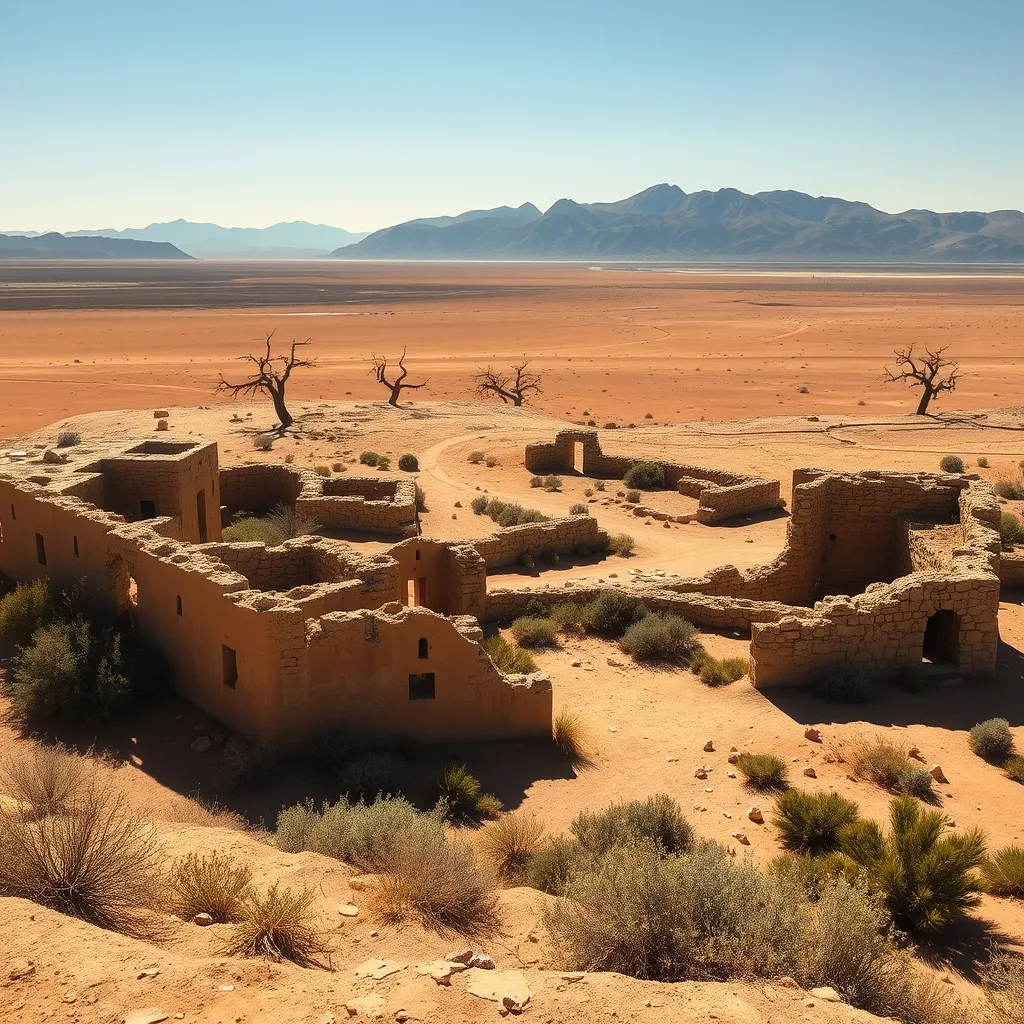
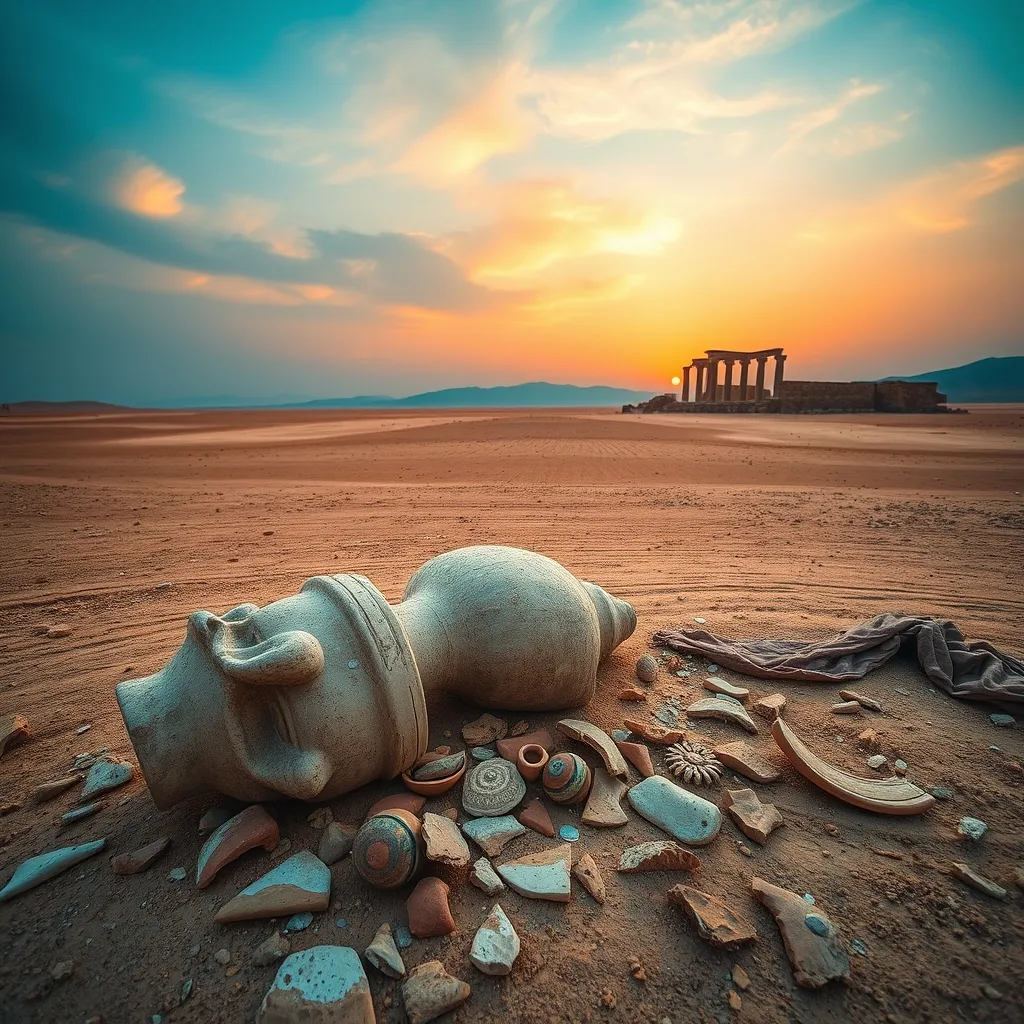
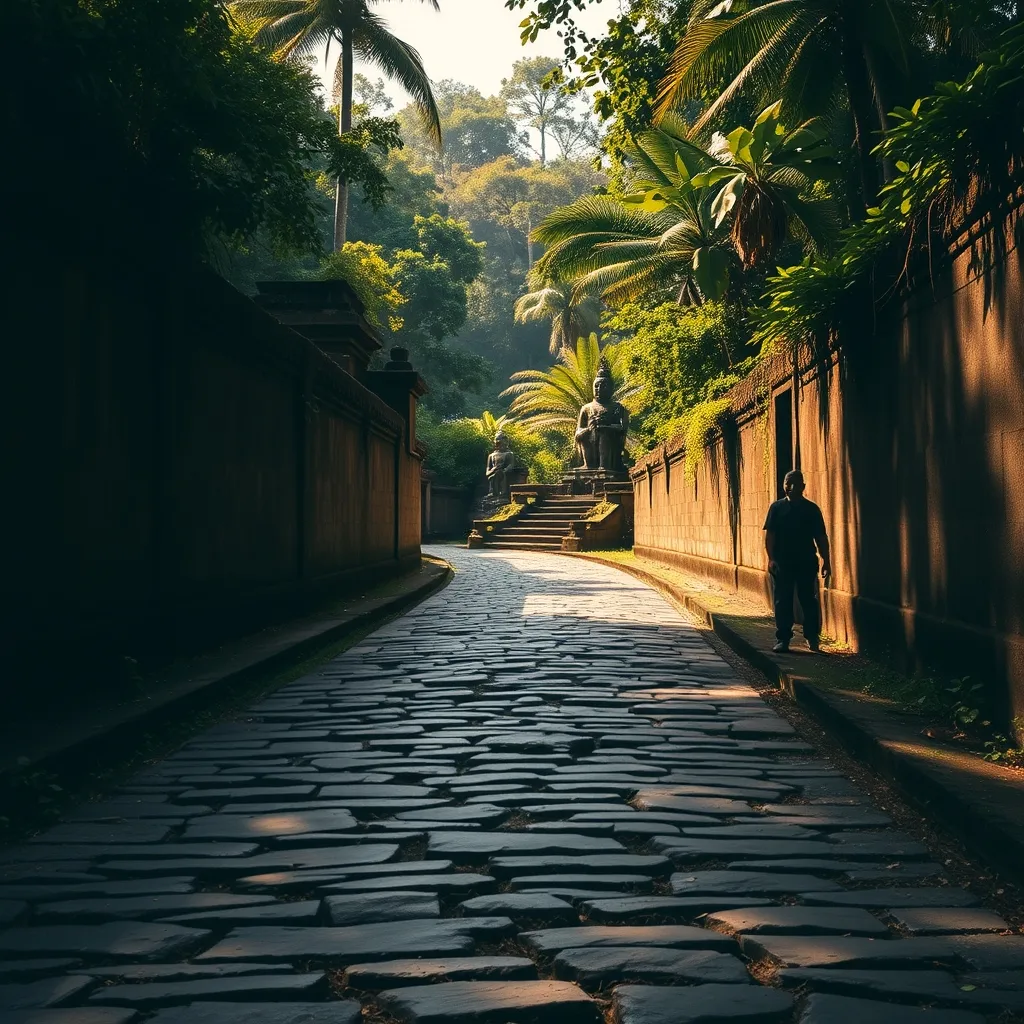
Ancient Trade Routes
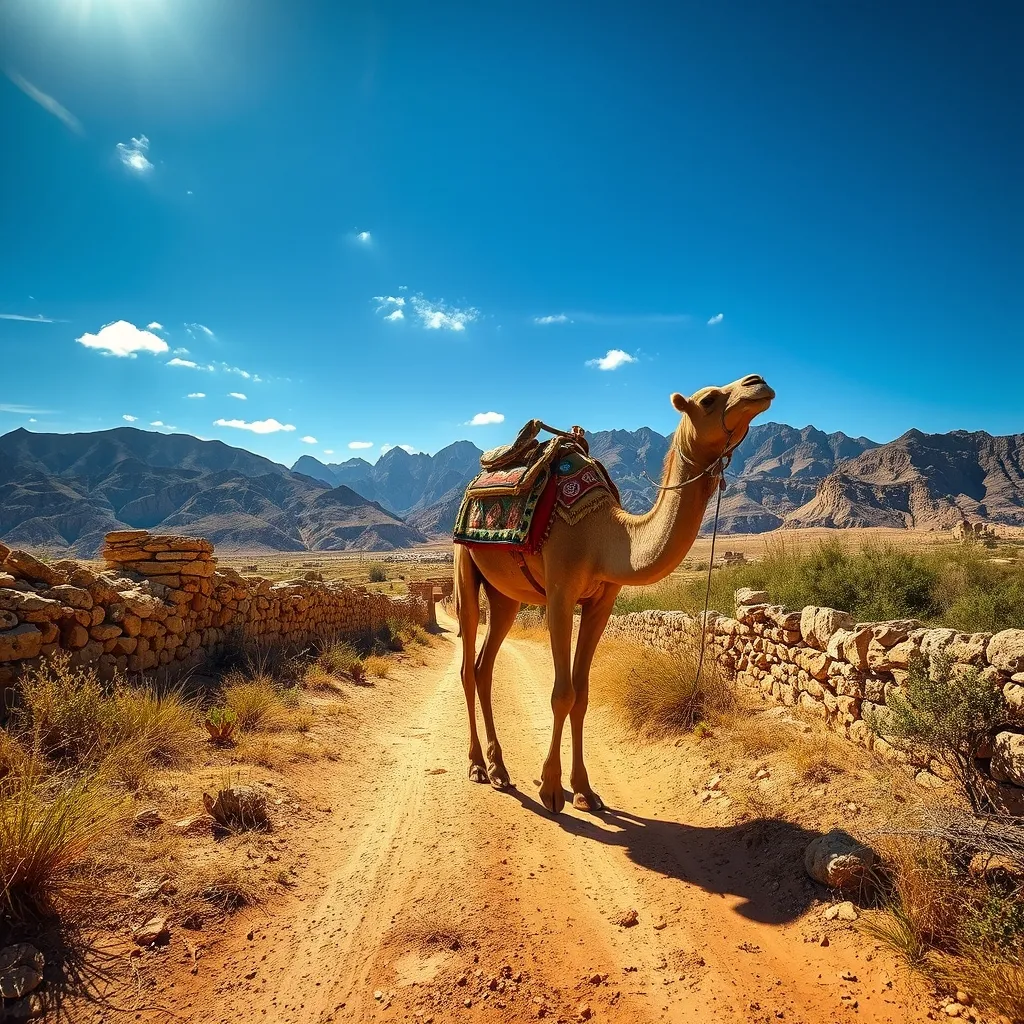
I've always been fascinated by the ancient trade routes that connected the world, long before the advent of modern transportation and communication. The Silk Road, in particular, is a network of routes that has captivated my imagination, with its rich history and cultural significance. As I delve into the secrets of the Silk Road, I'm struck by the sheer scale and complexity of this ancient trade network. Stretching over 4,000 miles, the Silk Road connected China with the Mediterranean region, passing through present-day India, Pakistan, Afghanistan, Iran, Turkey, and Greece.
The Silk Road was more than just a trade route – it was a conduit for the exchange of ideas, cultures, and technologies. Merchants, travelers, and monks traversed this network, carrying with them goods, stories, and innovations that shaped the course of human history. The Silk Road played a significant role in the spread of Buddhism, Christianity, and Islam, as well as the transmission of scientific and philosophical knowledge. As I explore the history of the Silk Road, I'm reminded of the power of human connection and the boundless curiosity that drives us to explore and discover new worlds.
The Origins of the Silk Road
The Silk Road originated during the Han Dynasty (206 BCE - 220 CE), when Chinese emperors sought to expand their empire and establish trade relationships with neighboring countries. The road was initially used for the exchange of silk, tea, and other luxury goods, but it soon became a vital artery for the transmission of goods, ideas, and cultures. The Silk Road flourished under the Tang Dynasty (618-907 CE), when Chinese merchants and travelers ventured further west, establishing trade relationships with the Byzantine Empire and the Arab world. As I study the history of the Silk Road, I'm struck by the entrepreneurial spirit of these ancient traders, who risked everything to explore new markets and establish trade relationships with distant lands.
The Silk Road was not just a one-way street – it was a two-way exchange that brought goods, ideas, and cultures from the West to the East. Greek and Roman merchants introduced wine, olives, and grapes to China, while Chinese traders introduced silk, porcelain, and tea to the Mediterranean region. The Silk Road also facilitated the transmission of scientific and technological knowledge, including the invention of paper, gunpowder, and the compass. As I reflect on the significance of the Silk Road, I'm reminded of the importance of cultural exchange and the boundless potential that arises when different civilizations come together to share knowledge and ideas.
The Decline and Legacy of the Silk Road
The Silk Road began to decline in the 14th century, due to a combination of factors including the Black Death, the rise of maritime trade, and the fragmentation of the Mongol Empire. As the Ottoman Empire expanded its territories, it blocked the land routes between Europe and Asia, forcing traders to seek alternative routes by sea. The discovery of the New World and the establishment of colonial empires further shifted the center of global trade and commerce, relegating the Silk Road to a secondary role. Despite its decline, the Silk Road left an indelible mark on human history, shaping the course of globalization, cultural exchange, and economic development.
Today, the Silk Road remains a powerful symbol of human connection and cultural exchange. As I look to the future, I'm reminded of the importance of preserving our cultural heritage and promoting cross-cultural understanding. The Silk Road may be a relic of the past, but its legacy continues to inspire us, reminding us of the boundless potential that arises when different civilizations come together to share knowledge, ideas, and cultures. As we navigate the complexities of the modern world, we would do well to remember the secrets of the Silk Road, and the power of human connection that has always driven us to explore, discover, and create.
Uncovering the Secrets of the Silk Road
As I conclude my journey through the history of the Silk Road, I'm left with a sense of awe and wonder at the sheer scale and complexity of this ancient trade network. The Silk Road may be a relic of the past, but its legacy continues to shape our world, inspiring us to explore, discover, and create. Whether we're historians, travelers, or simply curious individuals, the Silk Road offers a powerful reminder of the importance of cultural exchange, human connection, and the boundless potential that arises when different civilizations come together to share knowledge and ideas. As we uncover the secrets of the Silk Road, we're reminded of the power of human curiosity and the importance of preserving our cultural heritage for future generations.
I explored a related angle in Unseen Heroes of the Renaissance if you want to keep pulling this thread.
In the end, the Silk Road is more than just a historical relic – it's a testament to the human spirit, a reminder of our boundless curiosity, and our drive to explore, discover, and create. As we look to the future, we would do well to remember the secrets of the Silk Road, and the power of human connection that has always driven us to build bridges, forge relationships, and create a more just and equitable world. The Silk Road may be a relic of the past, but its legacy will continue to inspire us, reminding us of the importance of cultural exchange, human connection, and the boundless potential that arises when different civilizations come together to share knowledge, ideas, and cultures.