Lost Cities of the Inca Empire
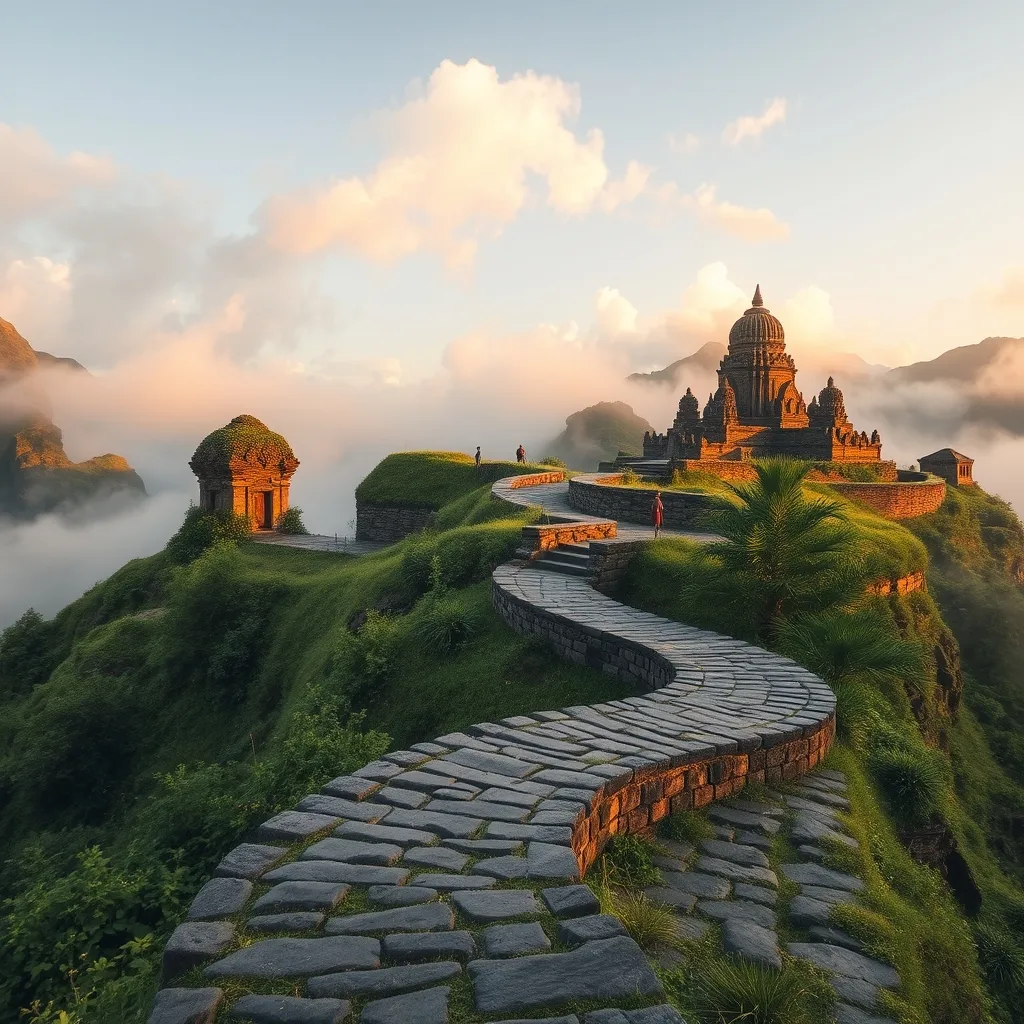
I've always been fascinated by the Inca Empire, and the secrets it still holds today. As I delved deeper into the history of this ancient civilization, I discovered that there's more to it than just Machu Picchu. The Inca Empire was vast, covering a significant portion of South America, and its legacy can still be seen in the modern-day countries of Peru, Chile, Argentina, Bolivia, Ecuador, and Colombia. The empire was built on a network of roads, trails, and settlements, many of which have been lost to the sands of time. In this blog post, I'll take you on a journey to uncover some of the lost cities of the Inca Empire.
The Inca Empire was founded in the 13th century by Sapa Inca, and it quickly grew to become one of the largest and most powerful empires in the Americas. At its peak, the empire was home to over 12 million people, and its capital, Cusco, was a thriving metropolis. The Incas were skilled engineers, and their road network, known as the Qhapaq Ñan, stretched for over 25,000 miles. This network connected the various regions of the empire, facilitating trade, communication, and the movement of people and goods. Many of the cities and settlements along this network have been lost, but archaeologists and historians continue to search for them.
Rediscovering the Lost Cities
One of the most famous lost cities of the Inca Empire is Choquequirao, which is often referred to as the "sister city" of Machu Picchu. Located in the Apurimac Valley, Choquequirao is a sprawling complex of ruins that covers over 1,800 acres. The city was built in the 15th century, during the reign of the Inca emperor Pachacuti, and it's believed to have been an important center of trade and commerce. Choquequirao was rediscovered in the 18th century, but it wasn't until the 20th century that archaeologists began to excavate the site. Today, Choquequirao is a popular destination for trekkers and adventure seekers, who come to marvel at the stunning architecture and breathtaking scenery.
Another lost city that's gaining attention is Vitcos, which is located in the Vilcabamba Valley. Vitcos was an important center of Inca resistance against the Spanish conquistadors, and it's believed to have been the last stronghold of the Inca Empire. The city was founded by the Inca emperor Manco Inca, who led a rebellion against the Spanish in the 16th century. Vitcos is a remote and inaccessible site, but archaeologists have begun to excavate the ruins, uncovering evidence of a sophisticated and complex society.
The Search for More
Despite the discovery of Choquequirao and Vitcos, there are still many lost cities of the Inca Empire waiting to be found. Archaeologists and historians continue to search for these cities, using a combination of traditional research methods and cutting-edge technology. Satellite imaging and aerial photography have become important tools in the search for lost cities, allowing researchers to scan vast areas of terrain for signs of ancient settlements. On-the-ground excavations are also crucial, as they provide a detailed and nuanced understanding of the sites and their history.
One of the most promising areas of research is in the Amazon rainforest, where many believe that lost Inca cities are hidden. The Amazon was an important region for the Inca Empire, providing a source of valuable resources such as gold, silver, and coca leaves. Archaeologists have discovered evidence of Inca settlements and roads in the Amazon, and it's likely that more will be found in the coming years. The search for lost cities in the Amazon is a challenging and complex task, requiring researchers to navigate treacherous terrain and contend with the harsh conditions of the rainforest.
Preserving the Legacy
As we continue to uncover the lost cities of the Inca Empire, it's essential that we preserve their legacy for future generations. Many of these sites are fragile and vulnerable to damage, and it's crucial that we take steps to protect them. This includes supporting conservation efforts, promoting sustainable tourism, and raising awareness about the importance of these sites. By working together, we can ensure that the lost cities of the Inca Empire remain a source of inspiration and wonder for years to come.
I explored a related angle in The Silk Road's Hidden Treasures if you want to keep pulling this thread.
In conclusion, the lost cities of the Inca Empire are a fascinating and mysterious topic, full of secrets and surprises. As we continue to explore and discover these sites, we're reminded of the ingenuity, creativity, and resilience of the Inca people. Their legacy is a testament to the power of human achievement, and it's up to us to preserve and protect it for future generations. Whether you're an archaeologist, a historian, or simply someone who's curious about the past, the lost cities of the Inca Empire are a treasure trove of discovery and exploration, waiting to be uncovered.