The Silk Road's Hidden Treasures
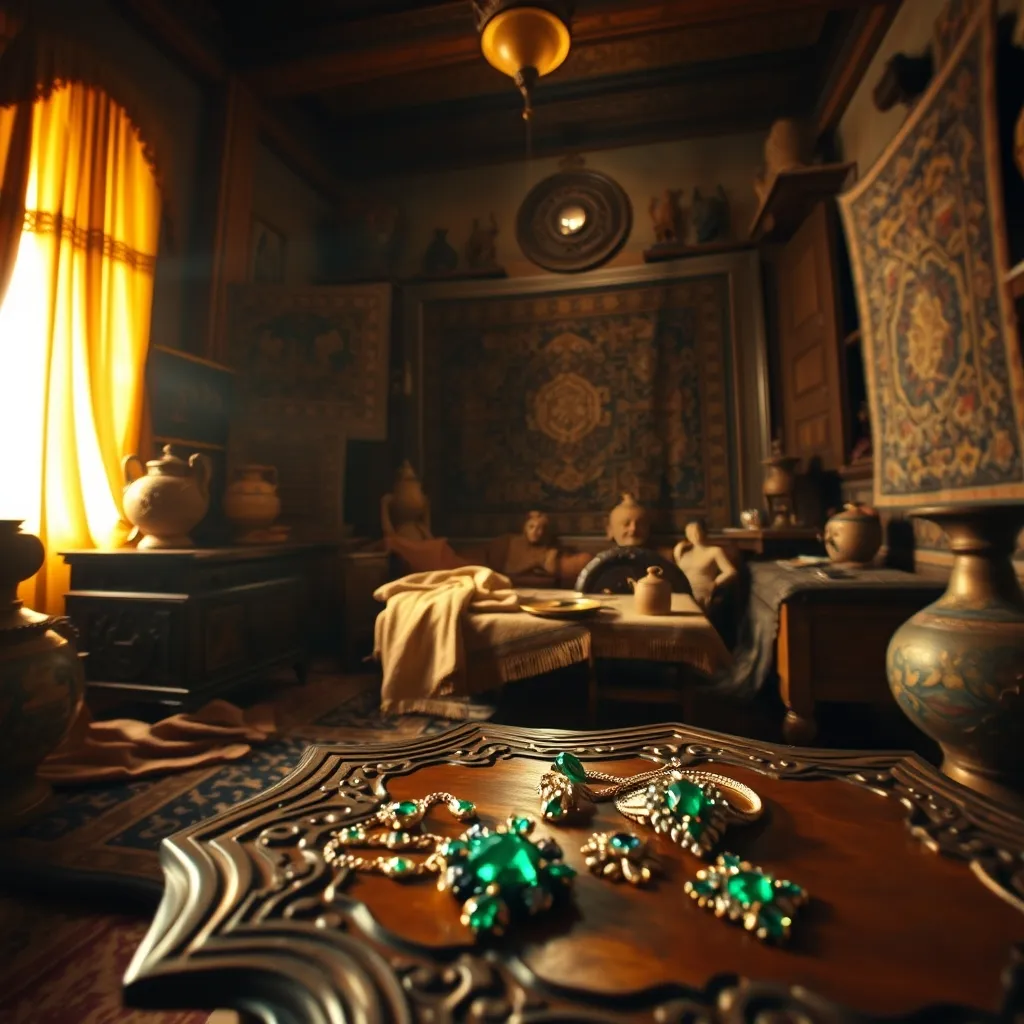
The Silk Road, a network of ancient trade routes, has long been a source of fascination for historians and enthusiasts alike. Stretching over 4,000 miles, from China to the Mediterranean, this complex web of roads and pathways played a significant role in shaping the course of human history. As I delve into the secrets of the Silk Road, I am struck by the sheer scale and complexity of this ancient trade network. From the exotic spices and textiles that were traded, to the diverse cultures and empires that rose and fell along its length, the Silk Road is a treasure trove of hidden wonders waiting to be uncovered.
Unveiling the Trade Routes
The Silk Road was not a single road, but rather a collection of routes that connected the East and West. These routes were used for the trade of goods such as silk, spices, tea, and precious stones, as well as the exchange of ideas, cultures, and technologies. The most famous of these routes was the Northern Route, which passed through modern-day China, Mongolia, and Russia, before reaching the Mediterranean. However, there were also several other routes, including the Southern Route, which passed through present-day India and the Middle East, and the Maritime Route, which connected China to the Mediterranean by sea. Each of these routes had its own unique characteristics and challenges, and together they formed a complex network of trade and cultural exchange.
As I explore the history of the Silk Road, I am struck by the incredible diversity of cultures and empires that rose and fell along its length. From the ancient Chinese dynasties, to the Mongol Empire, and the Islamic caliphates, each of these civilizations left its mark on the Silk Road. The road was a conduit for the exchange of ideas, technologies, and cultures, and it played a significant role in shaping the course of human history. For example, the spread of Buddhism from India to China, and the transmission of Greek knowledge from the Mediterranean to the East, were both facilitated by the Silk Road. The road was also a major factor in the development of many of the world's great cities, including Samarkand, Bukhara, and Baghdad, which became centers of trade, learning, and culture.
Discovering the Hidden Treasures
Despite its significance, much of the Silk Road remains shrouded in mystery. Many of its routes have been lost to the sands of time, and the treasures that were once traded along its length are now scattered across museums and private collections around the world. However, for those who are willing to venture off the beaten track, there are still many hidden treasures to be discovered. From the ancient cities of the Taklamakan Desert, to the forgotten monasteries of the Tibetan Plateau, the Silk Road is a treasure trove of archaeological and cultural wonders. For example, the discovery of the Terracotta Army in China, and the unearthing of the ancient city of Petra in Jordan, are just two examples of the many incredible discoveries that have been made along the Silk Road.
As I reflect on the significance of the Silk Road, I am reminded of the power of trade and cultural exchange to shape the course of human history. The Silk Road was more than just a network of trade routes - it was a conduit for the exchange of ideas, technologies, and cultures. It played a significant role in the development of many of the world's great civilizations, and it continues to inspire wonder and awe in people around the world today. Whether you are a historian, an archaeologist, or simply someone who is fascinated by the ancient world, the Silk Road is a journey that is waiting to be undertaken. So come and join me on this journey, as we uncover the secrets of the Silk Road, and discover the hidden treasures that lie along its length.
Preserving the Legacy
As we explore the history and culture of the Silk Road, it is also important to consider the challenges of preserving its legacy. Many of the ancient cities and monuments that line the Silk Road are under threat from erosion, neglect, and human development. It is therefore essential that we take steps to protect and preserve these incredible cultural treasures, not just for their historical significance, but also for their importance to the people who live along the Silk Road today. This can involve supporting conservation efforts, promoting sustainable tourism, and raising awareness about the importance of preserving our cultural heritage. By working together, we can ensure that the Silk Road continues to inspire wonder and awe in people around the world, and that its legacy is preserved for generations to come.
I explored a related angle in Unveiling the Mystique of Geisha Culture if you want to keep pulling this thread.
In conclusion, the Silk Road is a fascinating and complex topic that continues to capture the imagination of people around the world. From its ancient trade routes, to its hidden treasures, and its enduring legacy, the Silk Road is a journey that is waiting to be undertaken. Whether you are a historian, an archaeologist, or simply someone who is fascinated by the ancient world, the Silk Road has something to offer. So come and join me on this journey, as we uncover the secrets of the Silk Road, and discover the hidden treasures that lie along its length. Together, we can ensure that the legacy of the Silk Road is preserved for generations to come, and that its wonders continue to inspire wonder and awe in people around the world.