Unveiling the Mystique of Geisha Culture
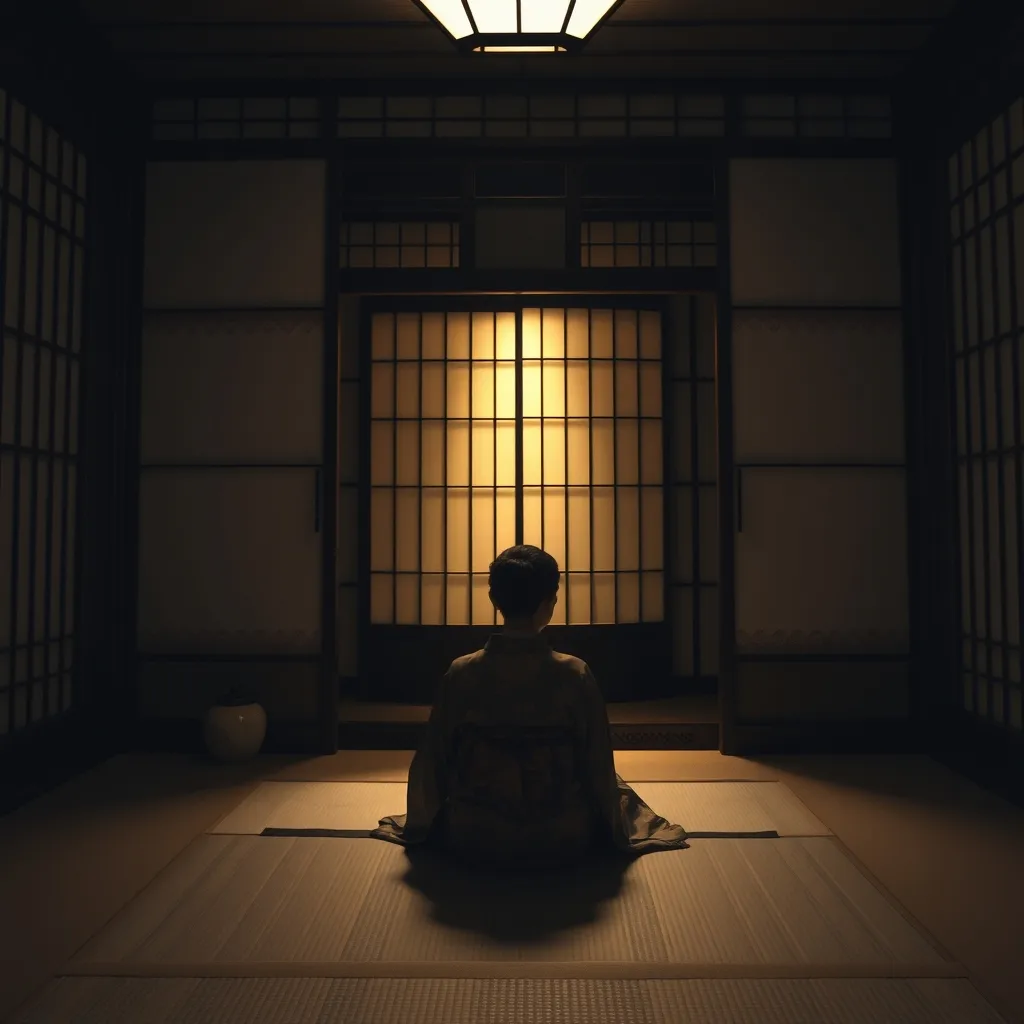
As I delve into Japan's ancient tradition, I am met with a mix of fascination and intrigue. The world of geisha culture is one that has long been shrouded in mystery, with many misconceptions and stereotypes surrounding these enigmatic figures. In reality, geisha are highly skilled and trained artists, adept in various forms of traditional Japanese music, dance, and poetry. Their role in Japanese society is multifaceted, serving not only as entertainers but also as companions, confidantes, and guardians of cultural heritage.
The history of geisha culture dates back to the 17th century, when these skilled performers began to emerge in the pleasure quarters of Japanese cities. Initially, geisha were male, but over time, female geisha became more prevalent, and the profession evolved to become closely associated with women. The term "geisha" itself is often misunderstood, with many assuming it refers solely to a prostitute or courtesan. However, the word "geisha" literally means "arts person" or "performing artist," reflecting the geisha's role as a master of various traditional arts.
Training and Apprenticeship
The path to becoming a geisha is long and arduous, requiring years of rigorous training and dedication. Young girls typically begin their training between the ages of 6 and 12, when they are sent to live with a seasoned geisha or "okasan" (mother figure) who serves as their mentor and teacher. The apprenticeship period, known as "maiko," can last for several years, during which time the young girl learns the intricacies of traditional Japanese music, dance, poetry, and other arts. She also learns about etiquette, manners, and the subtleties of Japanese culture, including the art of conversation, tea ceremonies, and flower arrangement.
As a maiko, the young girl is taught by her okasan and other experienced geisha, who impart their knowledge and skills to the next generation. The training is intense and demanding, with the maiko expected to practice for hours each day, honing her skills and perfecting her craft. The okasan plays a vital role in the maiko's development, serving not only as a teacher but also as a guardian and mentor, guiding the young girl through the challenges of her training and helping her to navigate the complexities of geisha culture.
The Role of Geisha in Japanese Society
Geisha play a significant role in Japanese society, serving as ambassadors of traditional culture and preserving the country's rich cultural heritage. They are highly respected for their skills and artistry, and their performances are often sought after by wealthy patrons and dignitaries. Geisha are also known for their exquisite beauty and elegance, with their traditional clothing, hairstyles, and makeup reflecting the highest standards of Japanese aesthetics.
Despite their glamorous image, geisha are not simply entertainers or courtesans. They are highly educated and cultured women who have dedicated their lives to the pursuit of artistic excellence. Geisha are expected to be well-versed in literature, poetry, and philosophy, and to possess a deep understanding of Japanese history and culture. They are also skilled conversationalists, able to engage in witty and intelligent repartee with their clients, who may include businessmen, politicians, and other influential figures.
Preserving a Fading Tradition
Today, the world of geisha culture is facing significant challenges, as modernization and urbanization threaten the traditional way of life. The number of geisha is dwindling, and the profession is no longer as prestigious or sought after as it once was. Many young Japanese women are now pursuing careers in business, technology, and other fields, rather than following in the footsteps of their ancestors and becoming geisha.
Despite these challenges, there are still many who are working to preserve the tradition of geisha culture, including the geisha themselves, who continue to perform and teach the next generation. Efforts are also being made to promote and support the geisha community, through initiatives such as cultural festivals, workshops, and educational programs. As we look to the future, it is essential that we recognize the importance of preserving this unique and fascinating culture, and that we support the geisha and their efforts to keep their traditions alive.
I explored a related angle in The Secret History of Pirate Code if you want to keep pulling this thread.
In conclusion, the mystique of geisha culture is a complex and multifaceted phenomenon, reflecting the rich cultural heritage of Japan and the dedication of these skilled and talented artists. As we delve deeper into the world of geisha, we begin to appreciate the beauty, elegance, and sophistication of this ancient tradition, and the important role that geisha play in preserving Japan's cultural identity. By supporting and promoting the geisha community, we can help to ensure the continuation of this unique and fascinating culture, and preserve the beauty and elegance of Japan's traditional arts for generations to come.