Unraveling the Enigma of the Rosetta Stone
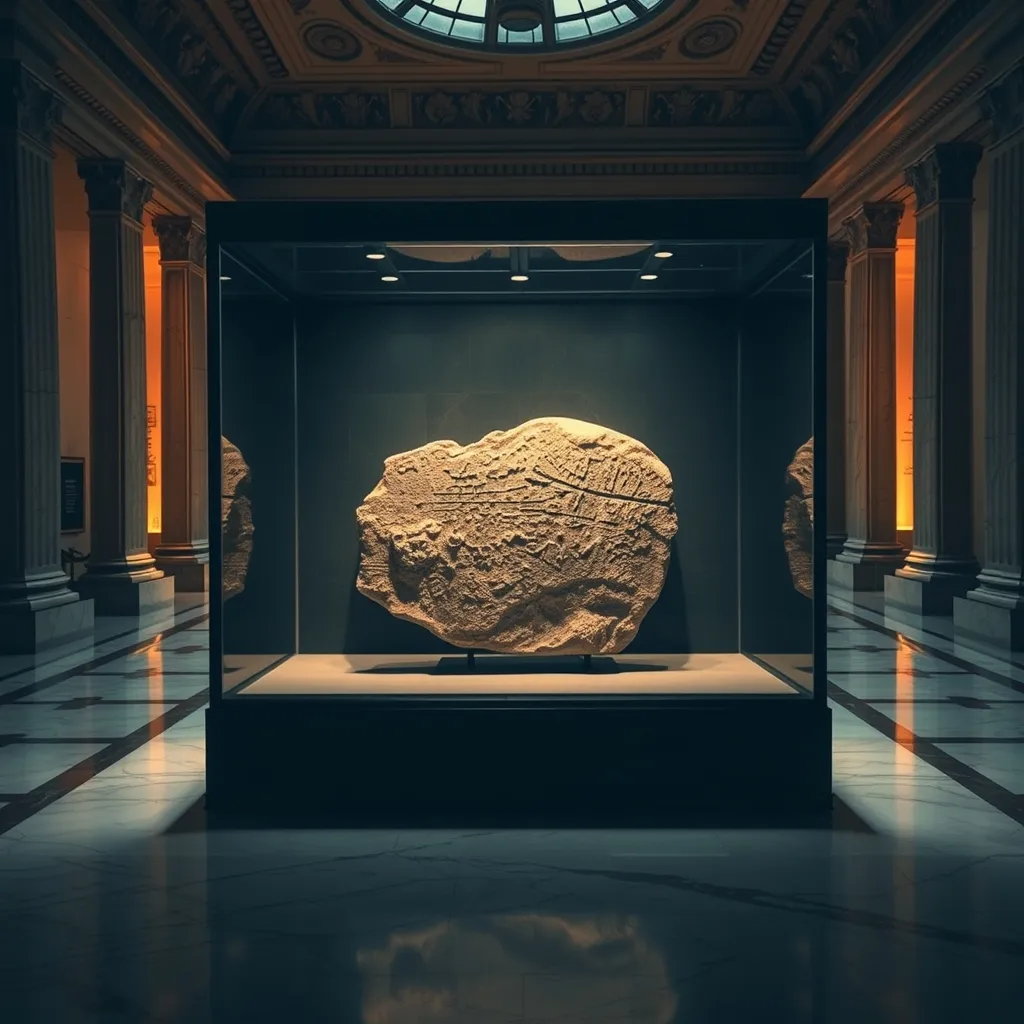
I've always been fascinated by the Rosetta Stone, an ancient artifact that has captivated historians and cryptographers for centuries. This mysterious stone slab, discovered in Egypt in 1799, holds the key to understanding the language of the pharaohs. As I delve into the history of the Rosetta Stone, I'm struck by the ingenuity and perseverance of the scholars who cracked its code. The story of the Rosetta Stone is a testament to the power of human curiosity and the importance of preserving our cultural heritage.
The Rosetta Stone is a granodiorite stele, approximately 4 feet long and 2.5 feet wide, inscribed with a decree issued by Egyptian pharaoh Ptolemy V in 196 BC. The stone features three parallel texts: the top portion is written in ancient Greek, the middle section in demotic script (a form of ancient Egyptian writing), and the bottom portion in hieroglyphics. For centuries, scholars had been trying to decipher the hieroglyphics, but it wasn't until the discovery of the Rosetta Stone that they finally had a breakthrough. The Greek text, which was easily translatable, provided a crucial key to unlocking the secrets of the hieroglyphics.
The Breakthrough
The breakthrough came in 1822, when French linguist Jean-François Champollion finally cracked the code of the hieroglyphics. Champollion, who had been studying the Rosetta Stone for years, realized that the hieroglyphics were not just pictograms, but a combination of logograms (symbols representing words or sounds) and phonograms (symbols representing sounds). By comparing the Greek text with the hieroglyphics, Champollion was able to identify the phonetic values of the hieroglyphic symbols and begin to decipher the language. This was a major breakthrough, as it allowed scholars to finally understand the language of the ancient Egyptians.
Champollion's discovery sparked a wave of interest in Egyptology, as scholars began to explore the rich cultural heritage of ancient Egypt. The Rosetta Stone, once a mysterious artifact, had become a key to unlocking the secrets of the past. As I reflect on the significance of the Rosetta Stone, I'm struck by the importance of preserving our cultural heritage. The stone is not just a relic of the past, but a window into the culture and traditions of ancient Egypt. By studying the Rosetta Stone, we can gain a deeper understanding of the history and culture of this fascinating civilization.
Unraveling the Mysteries of the Past
Today, the Rosetta Stone is one of the most famous artifacts in the world, attracting millions of visitors to the British Museum each year. As I gaze upon the stone, I'm struck by the sheer magnitude of its significance. The Rosetta Stone is more than just a historical artifact – it's a symbol of human ingenuity and curiosity. It represents the boundless potential of the human mind to uncover the secrets of the past and to push the boundaries of knowledge. By unraveling the mysteries of the Rosetta Stone, we can gain a deeper understanding of the culture and traditions of ancient Egypt, and appreciate the significance of this fascinating civilization.
The Rosetta Stone has also had a profound impact on the field of cryptography, as it demonstrated the power of code-breaking and deciphering ancient languages. The stone's inscriptions have been studied by cryptographers and linguists, who have used its secrets to develop new techniques for deciphering unknown languages. As I explore the history of the Rosetta Stone, I'm struck by the connections between ancient and modern cryptography. The stone's secrets have been used to inform modern code-breaking techniques, highlighting the enduring significance of this ancient artifact.
A Lasting Legacy
In conclusion, the Rosetta Stone is an enigmatic artifact that has captivated historians and cryptographers for centuries. Its discovery and deciphering have had a profound impact on our understanding of ancient Egyptian culture and language, and its legacy continues to inspire new generations of scholars and cryptographers. As I reflect on the significance of the Rosetta Stone, I'm reminded of the importance of preserving our cultural heritage and the boundless potential of human curiosity to uncover the secrets of the past. The Rosetta Stone may be an ancient artifact, but its secrets and significance remain timeless, continuing to inspire and fascinate us to this day.
I explored a related angle in Lost Cities of the Inca Empire if you want to keep pulling this thread.
As I finish writing about the Rosetta Stone, I'm left with a sense of awe and wonder at the secrets that this ancient artifact holds. The stone's mysteries may have been unraveled, but its significance remains undiminished, a testament to the power of human ingenuity and curiosity. The Rosetta Stone is a reminder that, even in the modern age, there is still so much to learn from the past, and that the secrets of ancient civilizations continue to inspire and fascinate us. By studying the Rosetta Stone, we can gain a deeper understanding of the culture and traditions of ancient Egypt, and appreciate the significance of this fascinating civilization.