Flavors of Forgotten Empires
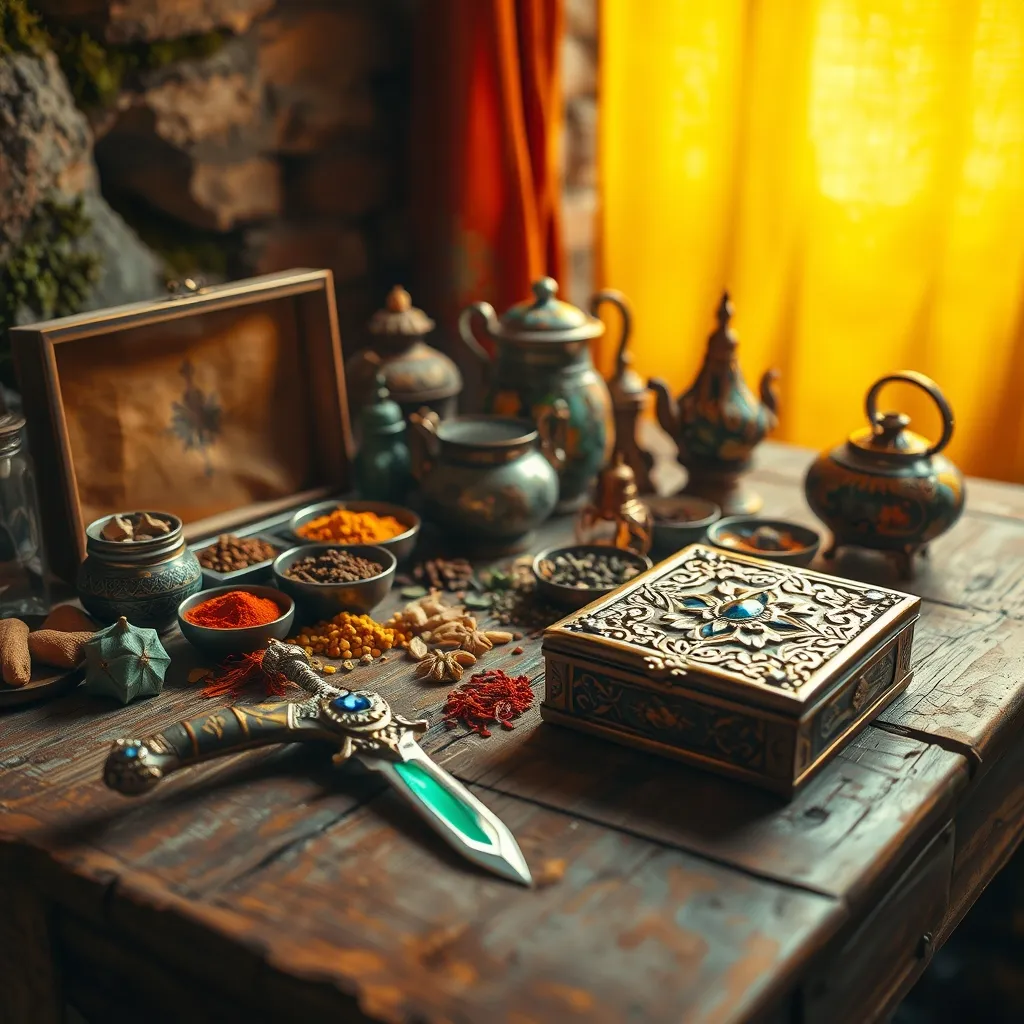
I've always been fascinated by the cuisines of forgotten empires, the way a dish can transport you to a different time and place. As I delved deeper into the world of historical cuisine, I discovered that the flavors of bygone eras are not just a reflection of the past, but also a testament to the cultural exchange and diversity that shaped the course of human history. From the spicy stews of the Mongol Empire to the sweet pastries of the Ottoman Empire, each dish tells a story of conquest, trade, and cultural fusion.
The Mongols, for example, were known for their love of meat, particularly horse meat, which they would cook in large cauldrons over open fires. Their stews were flavored with a variety of spices, including cumin, coriander, and turmeric, which they had acquired through their extensive trade networks. The Mongols also introduced the concept of dumplings, known as "manti," which were filled with meat and spices and cooked in a steamer. These dishes not only sustained the Mongol armies on their conquests but also influenced the cuisine of the regions they conquered, leaving a lasting legacy in the culinary traditions of Eastern Europe and Asia.
The Spice Routes of the Ancient World
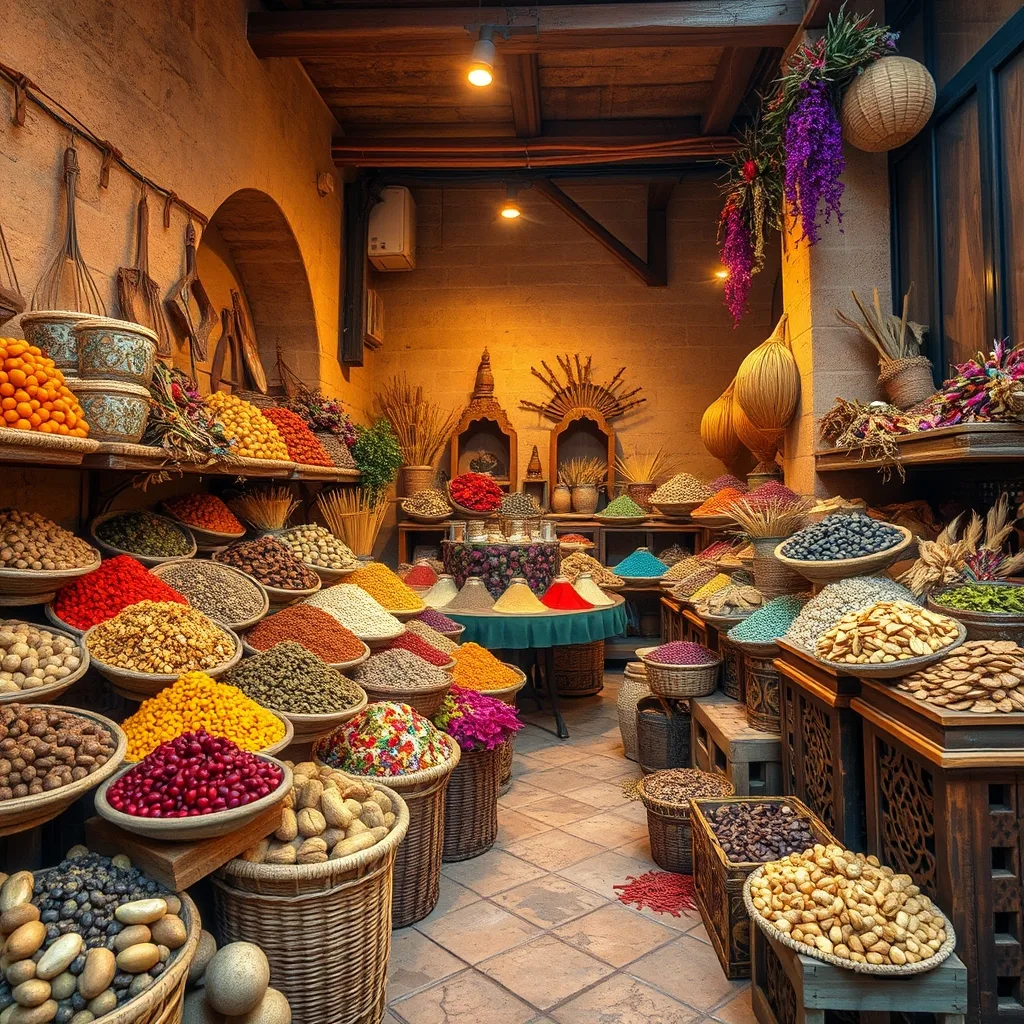
The ancient spice routes, which connected the East and the West, played a significant role in shaping the cuisine of forgotten empires. The Silk Road, which stretched from China to the Mediterranean, was a major conduit for the exchange of spices, herbs, and other luxury goods. The Romans, for example, were known for their love of exotic spices, including pepper, cinnamon, and cloves, which they would use to flavor their dishes. The Romans also adopted the concept of garum, a fish sauce that originated in ancient Greece, which they would use to add depth and umami flavor to their cooking. The use of these spices and sauces not only added flavor to Roman cuisine but also reflected the empire's extensive trade networks and cultural exchange.
The Ottoman Empire, which rose to power in the 13th century, was also heavily influenced by the spice routes. The Ottomans were masters of combining spices and herbs to create complex and aromatic flavors, which they would use to flavor their dishes, including kebabs, stews, and pastries. The Ottomans also introduced the concept of coffee, which they had acquired from the Arabs, and which would become a staple of their cuisine. The Ottomans' love of sweets, including baklava and Turkish delight, was also influenced by the spice routes, as they would use honey, sugar, and spices to create intricate and delicious pastries.
Culinary Legacies of the Forgotten Empires
Today, the culinary legacies of the forgotten empires can still be seen in the modern cuisines of the regions they once ruled. In Eastern Europe, for example, the tradition of cooking hearty stews and soups, known as "borscht," can be traced back to the Mongols. In the Middle East, the use of spices and herbs, including cumin, coriander, and sumac, is a direct legacy of the Ottoman Empire. In Asia, the tradition of cooking noodles and dumplings, known as "wontons," can be traced back to the Chinese Empire. These culinary legacies not only reflect the cultural exchange and diversity of the forgotten empires but also demonstrate the enduring power of food to bring people together and transcend time and place.
As I continue to explore the flavors of forgotten empires, I am struck by the complexity and diversity of the cuisines that once flourished in these ancient civilizations. From the spicy stews of the Mongols to the sweet pastries of the Ottomans, each dish tells a story of cultural exchange, conquest, and tradition. The flavors of forgotten empires may be lost to the sands of time, but their legacy lives on in the modern cuisines of the regions they once ruled, a testament to the enduring power of food to shape our cultures and our identities.
Rediscovering the Flavors of the Past
For those interested in rediscovering the flavors of forgotten empires, there are many resources available, including cookbooks, historical accounts, and cultural festivals. By exploring these resources, we can gain a deeper understanding of the cultural exchange and diversity that shaped the cuisine of the forgotten empires. We can also learn to appreciate the complexity and nuance of the flavors that once flourished in these ancient civilizations, and to incorporate these flavors into our own cooking. Whether we are cooking a traditional Mongol stew or a modern Ottoman-inspired pastry, we can connect with the past and honor the cultural heritage of the forgotten empires, one dish at a time.
I explored a related angle in Spice Route Stories if you want to keep pulling this thread.
In conclusion, the flavors of forgotten empires are a testament to the cultural exchange and diversity that shaped the course of human history. By exploring these flavors, we can gain a deeper understanding of the past and appreciate the complexity and nuance of the cuisines that once flourished in these ancient civilizations. Whether we are foodies, historians, or simply curious about the past, the flavors of forgotten empires offer a fascinating glimpse into a world that may be lost to the sands of time, but whose legacy lives on in the modern cuisines of the regions they once ruled.