Forgotten Flavors of the Mediterranean
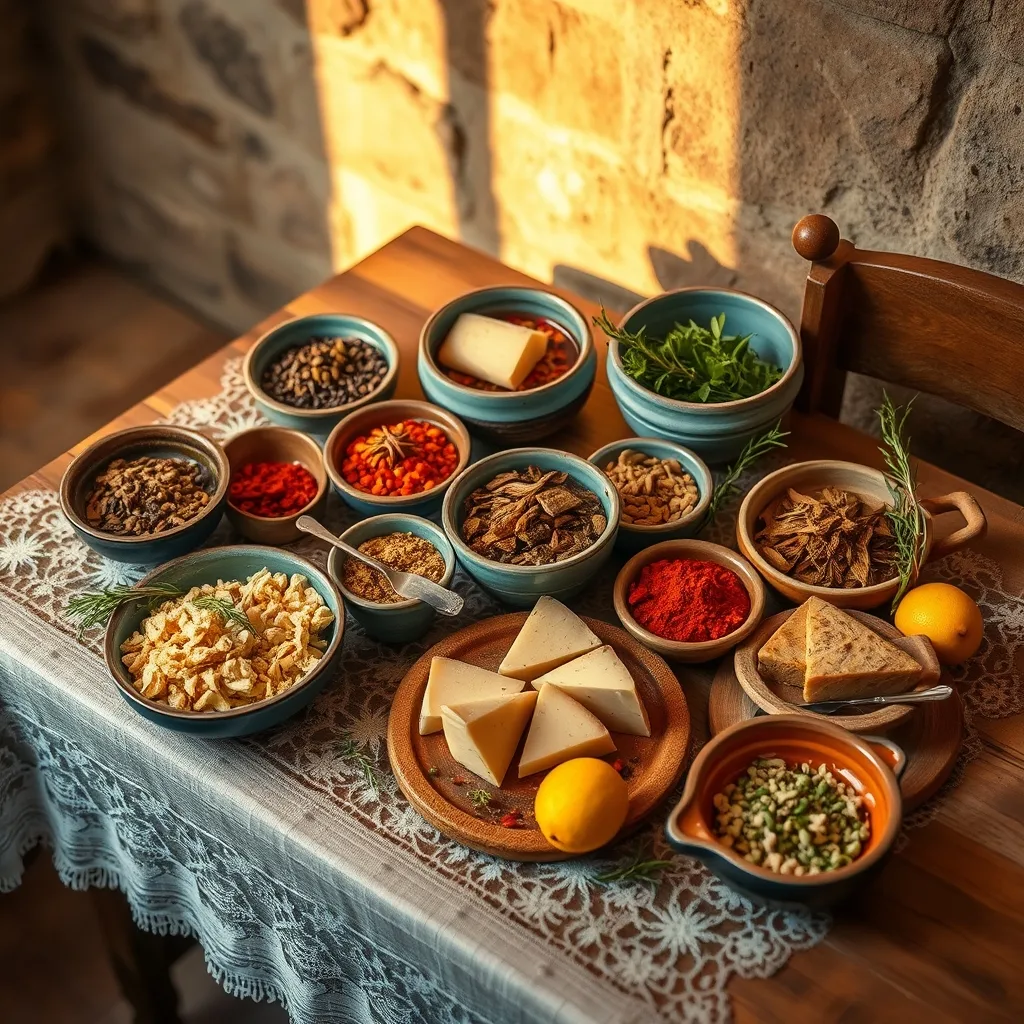
I still remember the summers I spent in my grandparents' village, surrounded by the intoxicating aromas of the Mediterranean. The smell of freshly picked oregano, the taste of sun-kissed thyme, and the sight of rosemary bushes swaying gently in the breeze are etched in my memory forever. As I grew older, I began to appreciate the significance of these ancient herbs in the cuisine of the Mediterranean. They are more than just flavor enhancers; they are the backbone of the region's culinary identity. Yet, in recent years, I've noticed that many of these forgotten flavors are being overlooked in favor of more modern and trendy ingredients.
This is a shame, because the Mediterranean is home to some of the most unique and flavorful herbs in the world. From the pungent flavor of sumac to the subtle bitterness of chamomile, each herb has its own distinct character and history. Take, for example, the herb rue. Native to the Mediterranean region, rue has been used for centuries in traditional medicine and cooking. Its bitter, slightly sour flavor adds depth and complexity to a variety of dishes, from stews and soups to salads and sauces. Despite its long history and versatility, rue is rarely used in modern Mediterranean cuisine, and is often overlooked in favor of more familiar herbs like basil and oregano.
The Art of Blending Herbs
One of the key secrets to unlocking the flavors of the Mediterranean is the art of blending herbs. This is not just a matter of throwing a handful of herbs into a dish and hoping for the best. Rather, it requires a deep understanding of how different herbs interact with each other, and how they can be combined to create complex and harmonious flavors. In traditional Mediterranean cuisine, herbs are often blended in specific combinations to create unique flavor profiles. For example, the classic Greek herb blend of oregano, thyme, and rosemary is a staple of Mediterranean cooking, and is often used to add flavor to meats, stews, and soups.
Another key aspect of Mediterranean herb blending is the use of aromatics. Onions, garlic, and lemons are all commonly used to add depth and brightness to dishes, and are often combined with herbs to create rich and complex flavors. The key is to balance the different flavors and textures, so that no single ingredient overpowers the others. This requires a delicate touch, and a willingness to experiment and adjust the seasoning until the flavors are just right. By mastering the art of herb blending, cooks can unlock the full potential of the Mediterranean's forgotten flavors, and create dishes that are truly greater than the sum of their parts.
Rediscovering Lost Herbs
So, how can we rediscover these lost herbs and incorporate them into our cooking? The first step is to seek out traditional Mediterranean recipes and cooking techniques. These often feature herbs and ingredients that are no longer commonly used, and can provide a wealth of inspiration for modern cooks. We can also experiment with different herb blends and combinations, to see what works best in different dishes. And, of course, we can support local farmers and herb growers, who are working to preserve and promote the region's traditional herbs and ingredients.
By taking these steps, we can help to preserve the culinary heritage of the Mediterranean, and ensure that its forgotten flavors continue to thrive. This is not just a matter of nostalgia or cultural preservation; it's also a matter of flavor and creativity. The Mediterranean's lost herbs offer a wealth of new possibilities for cooks and chefs, and can add depth, complexity, and excitement to a wide range of dishes. Whether you're a seasoned chef or a curious home cook, I encourage you to explore the forgotten flavors of the Mediterranean, and to see what wonders they hold.
Preserving the Culinary Heritage
As we rediscover the forgotten flavors of the Mediterranean, we must also take steps to preserve the region's culinary heritage. This means supporting local farmers and food producers, who are working to preserve traditional ingredients and cooking techniques. It also means learning about the history and cultural context of different dishes and ingredients, and sharing this knowledge with others. By doing so, we can help to ensure that the Mediterranean's unique culinary traditions continue to thrive, and that its forgotten flavors are not lost to future generations.
I explored a related angle in Beyond Ramen: Japan's Unsung Noodle Dishes if you want to keep pulling this thread.
Ultimately, the forgotten flavors of the Mediterranean are a treasure trove of culinary delights, waiting to be rediscovered and explored. By embracing these ancient herbs and ingredients, we can add depth, complexity, and excitement to our cooking, and help to preserve the region's rich culinary heritage. So, let us embark on this journey of discovery, and see where the flavors of the Mediterranean take us. With a little creativity and experimentation, we can unlock the full potential of these forgotten flavors, and create dishes that are truly unforgettable.